Pineapple and fengli are the same fruit; the difference mainly comes down to the variety
Botanically speaking, pineapple and fengli belong to the same species; both are perennial herbaceous plants in the genus Ananas of the family Bromeliaceae, native to tropical America. "Fengli" is the customary name used in the Taiwan region of China, and after it spread to the mainland market, the two names gradually came to distinguish different types of fruit, but in essence they refer to the same fruit.
The difference on the market is mainly a matter of variety. The fruit generally called fengli has shallower eyes and leaves that mostly lack obvious serrations, so after peeling there is no need to specially dig out the eyes; its flesh is sweet, tangy and fine-textured, and it can basically be eaten without soaking in salt water first. The traditional pineapple, by contrast, often has serrated leaf edges and deeper eyes, and after peeling the inner spines need to be removed; its flesh contains more bromelain, so eating it directly easily irritates the mouth, and soaking it briefly in lightly salted water first makes it more comfortable to eat.
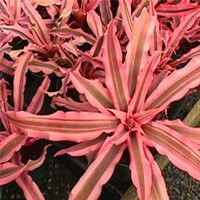
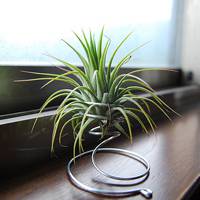
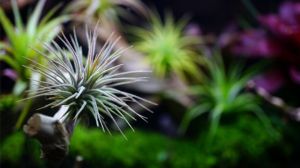
Beyond being eaten, the Bromeliaceae is actually a huge family with outstanding ornamental value as well. Ornamental types such as Cryptanthus and air plants (Tillandsia) have small, distinctive forms and are a choice houseplant for many homes, though their habits differ considerably from those of edible pineapples, so they need to be cared for separately.
Growing edible pineapples requires a warm environment and plenty of light; watering should not be excessive, and waterlogging and low temperatures should be avoided. There is no need to rush to throw away the pineapple peel after eating it either: once fermented and composted it can become a fine organic fertiliser, which is both eco-friendly and practical for growing flowers.
Related reading