-
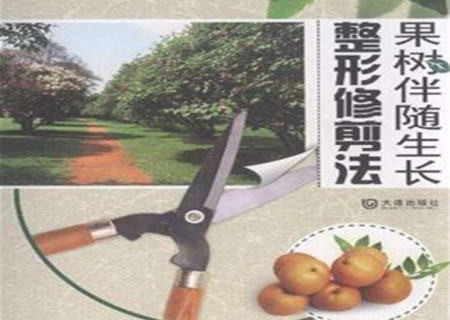
What standard principles should be followed in the shaping and pruning of fruit tree bonsai?
Fruit tree bonsai has ornamental value throughout all four seasons: delicate flowers in spring, lush foliage in summer, abundant fruit in autumn, and upright, vigorous form in winter, making it full of the joy of life. China is extremely rich in fruit tree resources. Various wild fruit trees and their rootstock resources in the mountains and wilds can all be utilized.
-
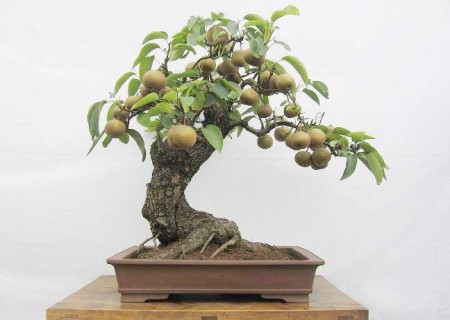
Basic principles to follow when pruning fruit tree bonsai
When a fruit tree bonsai has too many branches, it easily leads to scattered tree nutrition, insufficient internal light, poor fruit quality, and so on. Therefore, before the fruit tree buds in spring, crossing branches, overlapping branches, diseased and pest-infested branches, and water sprouts should be cut off; this is called basic pruning. During the summer fruit growth period
-
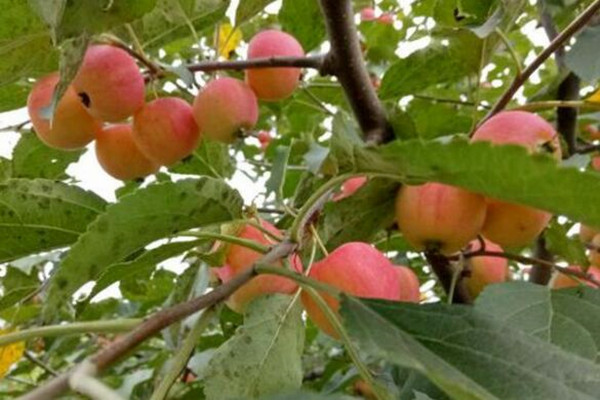
How Many Years Does a Crabapple Tree Take to Flower and Bear Fruit? Detailed Guide to Planting Methods and Benefits
Crabapple trees often grow on sunny hillsides, flat ground and beside valley terraces. Eaten raw, the taste resembles apples. There are many varieties, and they can be propagated by grafting, sowing and division. It is a plant native to China. Sweet and sour, it is delicious. So how many years does a crabapple tree take to flower and bear fruit? How is it planted? What benefits and effects does it have? How many years does a crabapple tree take to flower and bear fruit
-
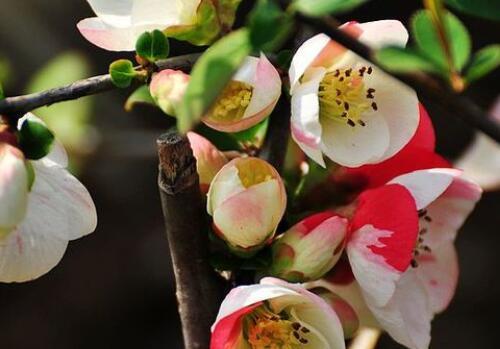
Papaya Flowering Crabapple Bonsai Price, Flowering and Fruiting, Fruit Edibility and Cultivation Methods
Papaya flowering crabapple, also known as hairy-leaved crabapple or mutao, is a deciduous shrub to small tree, 2-6 m tall. It grows on hillsides, forest edges, and roadsides, cultivated or wild, at an altitude of 900-2500 m. So how much does a papaya flowering crabapple bonsai cost? When does it flower and fruit? Are its fruits edible? What are the cultivation methods?
-
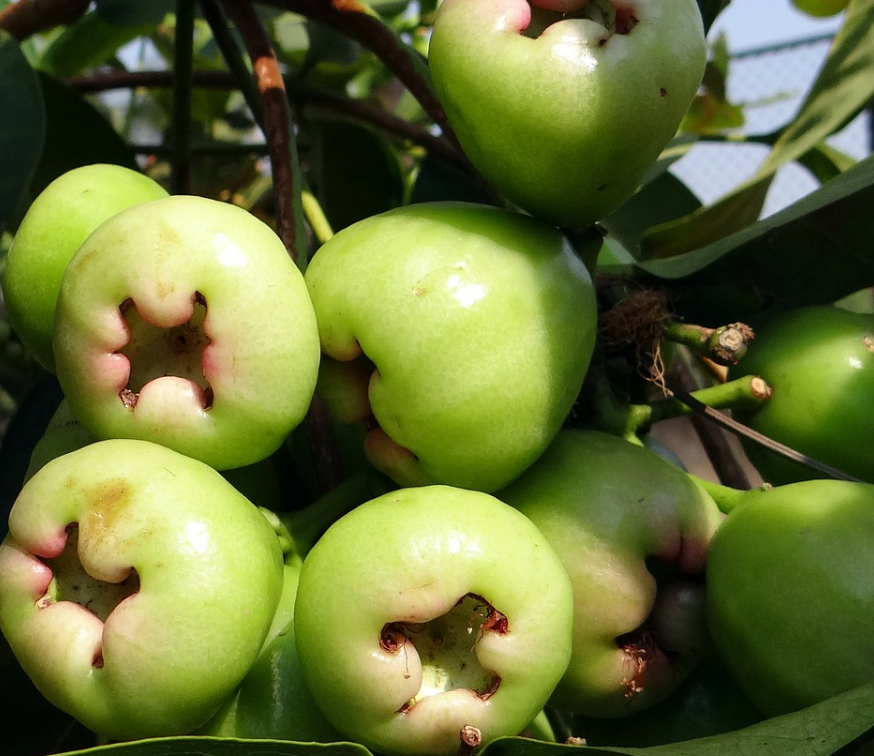
Wax Apple Price per Kilogram, Cultivation Methods, What to Do When It Doesn't Flower or Fruit, and Common Varieties
Wax apple is a tropical and subtropical fruit, native to Malaysia, Taiwan, China, Hainan, China, and other places, and is a famous premium fruit of its native regions. As wax apples have entered inland cities of China in recent years, they have attracted more and more attention, and their price is truly eye-catching
-

How to grow the golden fruit (nipplefruit)? Detailed care tips
Nipplefruit (Solanum mammosum), also known as multi-headed eggplant, five-fingered eggplant, frankincense eggplant, golden fruit, and five generations under one roof, belongs to the Solanaceae family, Solanum genus. It is a perennial small shrub, often grown as an annual, native to the tropical regions of the Americas. It likes a warm, humid and sunny environment
-
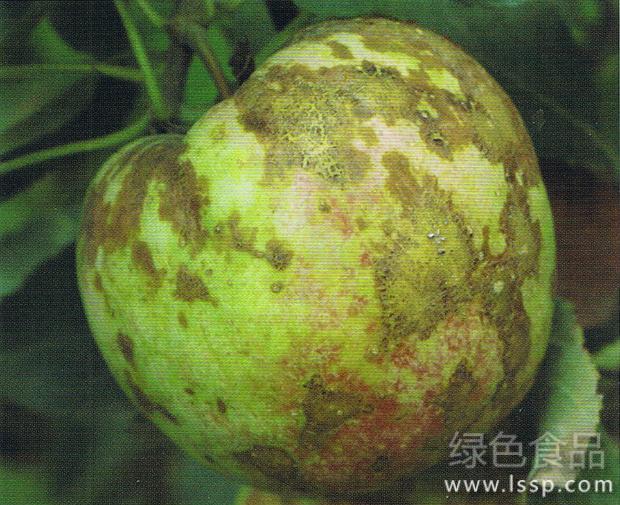
How to distinguish apple rust fruit from fruit rust and prevent and control rust fruit disease
Apple rust fruit and fruit rust must be clearly distinguished to control apple rust fruit disease
-
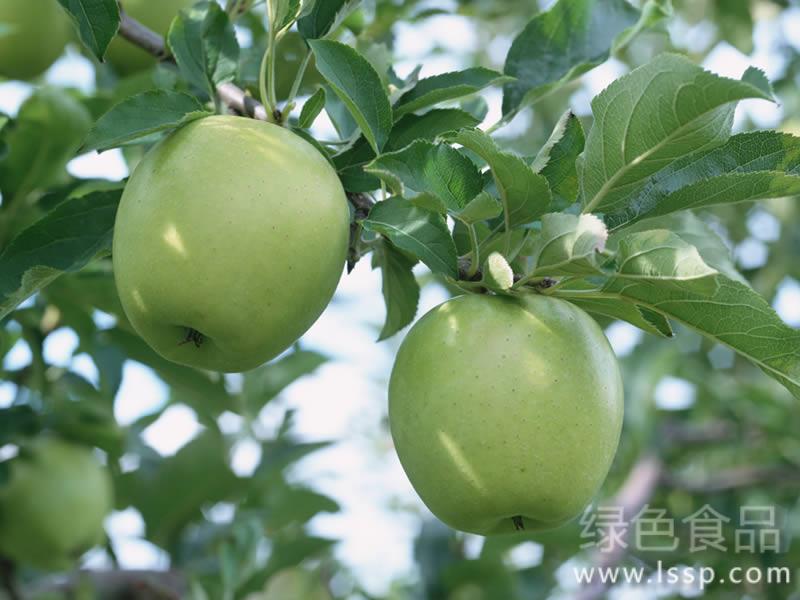
July apple tree management key points: the fruit enlargement stage coincides with a period of high pest and disease incidence
The enlargement stage falls right in the high-incidence period for pests and diseases: key points for July apple tree management
-
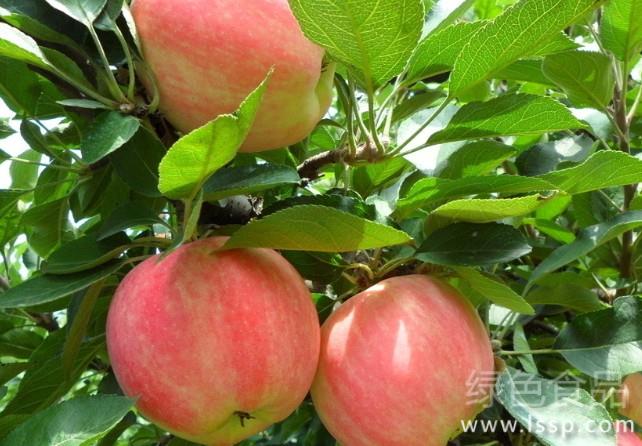
The apple fruit surface is rough, which affects its market appeal. How can the glossiness be improved?
The fruit surface is rough, affecting the apple's market appeal. How can the fruit surface glossiness be improved?
-
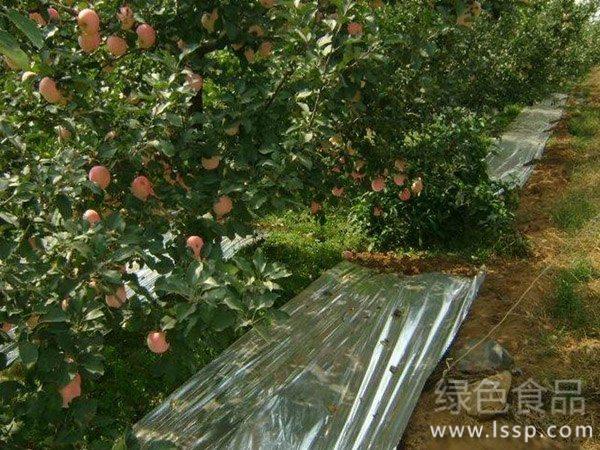
Methods to improve the coloring of Red Fuji apples, making the fruit red and delicious
Red color and delicious taste make a top-grade fruit: methods to improve the coloring of Red Fuji apples
条件筛选