-
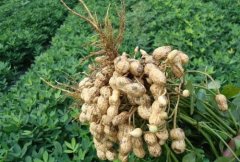
Detailed Guide to Perennial Peanut Planting Methods and Timing
Cultivation and Utilization of Perennial Peanut: Do you know about perennial peanut? If you want to grow perennial peanut, you first need to understand it and know its growth habits and characteristics, which will be very useful for planting. Let's take a look together below. Along
-
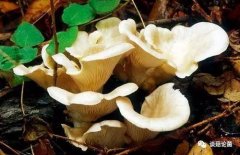
What are endomycorrhizae? Where do they invade the plant?
Do you know what endomycorrhizal fungi are? Would you like to learn about them? Then take a look at the introduction below. They are a very good biological fertilizer, so let's take a look together. Endomycorrhizal fungi are a type of microorganism; microbial fertilizer preparations are not fertilizers, but
-
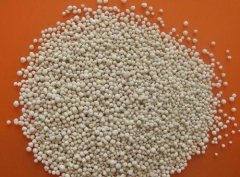
A Detailed Explanation of the Types, Functions, Advantages and Disadvantages of Chemical Fertilizers
Are chemical fertilizers good to use? Nowadays chemical fertilizers are no longer very popular, and everyone is talking about organic fertilizers, so what advantages do chemical fertilizers still have? Chemical fertilizers are a source of pollution: applying large amounts of fertilizer to farmland inevitably causes a great impact. Chemical fertilizers are usually a
-
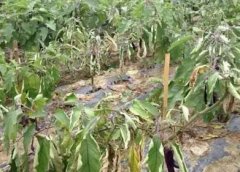
The Importance and Methods of Biological Control of Plant Diseases
Application and prospects of biological control of crop diseases. How do you do it? Want to learn more? What are the applications and development directions of biological control in plant diseases? So how should it be done, and what are the methods? Let's take a look together below. Biological
-

Detailed Explanation of Vinegar Making Methods and Fruit Fly Control Techniques
Do you know how to make acetic acid? And do you know anything about fruit fly control methods? If not, let's take a look together below. I. Acetic Acid Making Method Purpose of use: Pouring into soil has the effect of suppressing nematodes; spraying on leaves has a fertilizing effect and also has repellent and sterilizing functions.
-
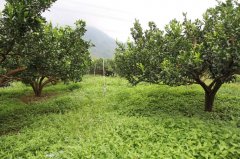
Orchard Sod Culture Techniques: Planting and Management Essentials
At present, many fruit growers engaged in organic and conventional cultivation have implemented sod culture, and their orchards present a scene of lush green, full of ecological beauty. However, implementing sod culture in orchards may bring quite a few troubles, such as possibly harboring disease vectors, competing with fruit trees for soil
-
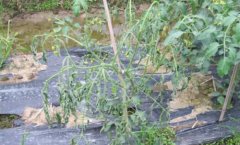
How to prevent and control bacterial wilt in tomatoes? Detailed explanation of the best treatment methods
Tomato bacterial wilt is a very serious disease in tomato cultivation. If it is not managed well, it can easily cause major damage. So how should it be managed? Let's take a look together. Pathogen: This disease is caused by Pseudomonas solanacearum. The bacterium belongs to the non-fluorescent pseudomonad
-
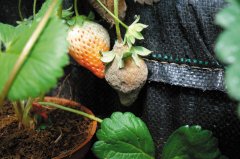
What Are Biopesticide Yeasts? A Detailed Explanation of Their Functions and Benefits
Humans have used yeasts in the food fermentation industry for thousands of years. Through selected and domesticated strains, they can be used not only to produce beer and various alcoholic beverages, but also to ferment bread and steamed buns. In addition, research in recent years into their potential for plant disease control is flourishing.
-
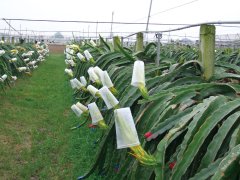
Pitaya (Dragon Fruit) Cultivation Techniques and Pest and Disease Control Methods
A growing number of farmers continue to join the ranks of red dragon fruit cultivation, so it is all the more necessary to pay close attention to red dragon fruit cultivation management and to observe the growth conditions of plants in the field, so as to reduce problems such as pests and diseases. In recent years, red dragon fruit, under factors such as variety improvement, advances in cultivation techniques and the development of production-period regulation technology, has created a wave of cultivation enthusiasm, and this cultivation wave is still spreading today without any sign of stalling, which clearly shows that red dragon fruit remains a fruit industry with development potential in the minds of people.
-
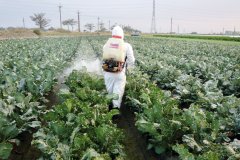
What causes plant pests and diseases? Tracing the origins of IPM crop production management techniques
IPM is not about setting absolute methods, but about finding the most optimized approach. Let's take a look together below. Cruciferous crops in their growth pattern often develop serious pests and diseases only near harvest time. Taking broccoli as an example, the head is covered by outer leaves, and pests easily hide within, leading to poor control
条件筛选