What are endomycorrhizae? Where do they invade the plant?
Do you know what endomycorrhizal fungi are? Would you like to learn about them? Then take a look at the introduction below. They are a very good biological fertilizer, so let's take a look together. Endomycorrhizal fungi are a type of microorganism; microbial fertilizer preparations are not fertilizers, but
Do you know what endomycorrhizal fungi are? Would you like to learn about them? Then take a look at the introduction below. They are a very good biological fertilizer, so let's take a look together.
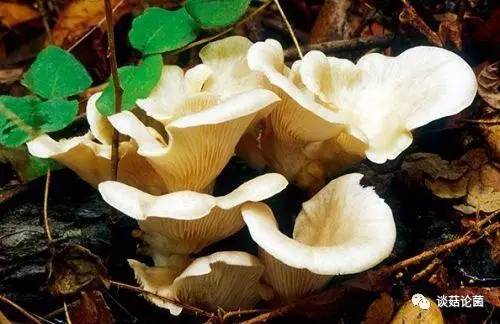
Endomycorrhizal fungi are a type of microorganism. Microbial fertilizer preparations are not fertilizers, but they have the function of fertilizer. After these fungi infect the roots of host plants, their extraradical hyphae can extend several centimeters, increasing the absorptive area of the plant roots. They can promote crop growth, increase the ability to absorb water and mineral nutrients, especially the absorption of phosphate fertilizer, advance flowering and fruiting, increase the number of flowers, improve the survival rate of transplanted seedlings, neutralize heavy metal toxicity, and increase the plant's tolerance to drought and disease. They are currently considered the most beneficial and promising "biological fertilizer."
The earlier the inoculation with endomycorrhizal fungi, the better the effect. It is usually carried out during the seedling stage. Using plug tray seedling cultivation, mix the crop growing medium with the endomycorrhizal fungal microbial fertilizer in a certain ratio according to the instructions, water thoroughly, sow the germinated seeds on the growing medium, and then cover with a layer of growing medium. When applying, note the following:
1. The crop being cultivated must be a mycorrhizal crop, otherwise the mycorrhizal fungi will not easily infect it.
2. When using a mycorrhizal fungal inoculation source, pay attention to the spore density and viability of the inoculation source.
3. Avoid using excessive phosphate fertilizer; the application rate of phosphate fertilizer should be within the general recommended amount or halved.
4. Avoid drenching with soil fungicides during the seedling stage.
5. The inoculation source should be stored in a cool, ventilated place or refrigerated at 4 degrees Celsius (the lower compartment of a refrigerator) to ensure the viability of the fungal species. Using microbial fertilizers to promote crop production and improve soil is a new means of agricultural production. It can not only maintain soil fertility but also replace part of the application of chemical fertilizers, greatly benefiting sustainable agricultural development.