The Importance and Methods of Biological Control of Plant Diseases
Application and prospects of biological control of crop diseases. How do you do it? Want to learn more? What are the applications and development directions of biological control in plant diseases? So how should it be done, and what are the methods? Let's take a look together below.
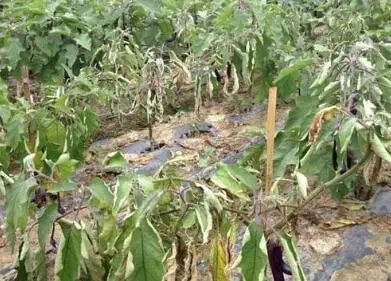
The applications and development directions of biological control in plant diseases include:
(1) Exploration of disease-suppressive soils:
Broadly speaking, with a few exceptions, the existence of disease-suppressive soils is mostly related to the soil microorganisms already present. Therefore, the main direction of its research and application lies in how to increase the existing effective microorganisms or apply disease-suppressive soils to protect crops, thereby achieving the effect of reducing disease.
(2) Addition of organic matter:
The appropriate use of organic additives can increase the microorganisms originally present in the soil or the antagonistic microorganisms introduced artificially; this in turn strengthens the antimicrobial function of those microorganisms or increases the disease resistance of the crops themselves, thereby reducing the occurrence of crop diseases. However, when using additives, attention must be paid to the entire ecosystem, such as the interactions among crop pathogens, antagonistic microorganisms and other microorganisms, so as to avoid negative effects.
(3) Direct introduction of antagonistic microorganisms:
A.The main mechanisms by which antagonistic microorganisms control diseases can usually be classified into the following five categories:
1. Antibiotic production
2. Competition for nutrients
3. Mycoparasitism,
4. Cell wall degrading enzymes
5. Inducing systemic acquired resistance in plants.
Generally speaking, although the mechanisms contained may differ slightly depending on the species or strain of the antagonistic microorganism, the mechanisms of disease control usually may cover more than one.
B.Using a single antagonistic microorganism or multiple antagonistic microorganisms to control crop diseases requires a clear understanding of the ecology of the entire crop, the pathogens and the antagonistic microorganisms.
The antagonistic microorganisms currently used for plant diseases mainly include Agrobacterium radiobacter strain 84 for controlling crown gall disease; Fluorescent Pseudomonads for treating crop seeds against diseases caused by various pathogens and for controlling root nodule disease; Streptomyces spp. and Gliocladium spp. for controlling various diseases, and so on.