-
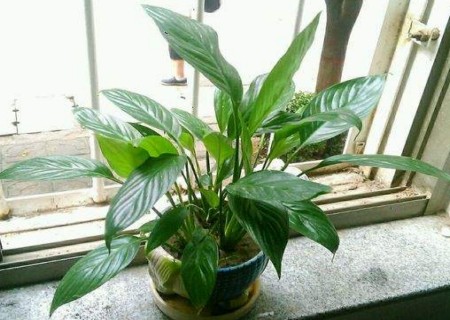
How to grow a Peace Lily (Spathiphyllum) potted plant? Care methods and precautions
The Peace Lily's flower stems are upright and elegant, fresh and pleasing to the eye, making it one of the preferred choices for potted plants. The Peace Lily generally blooms from May to August, but with careful care, it may also be kept blooming all year round. Placed as a potted plant to accent the living room or study,
-
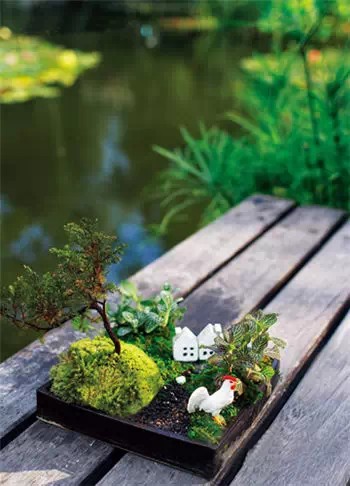
How to make a countryside path bonsai? Detailed tutorial shared
The countryside path bonsai is still made with the most ordinary green plants, and with the addition of a house and a rooster, it looks just like a prosperous rural scene. Materials: garden pine, nerve plant (Fittonia), moss. Making: First spread a layer of ceramic stones on the bottom of the pot, then add soil, and leave the shape of a path; plant garden pine and nerve plant in separate sections
-
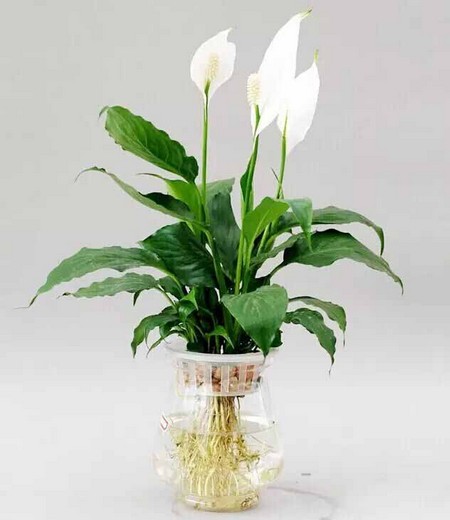
How to grow peace lily (Spathiphyllum) in water? Explaining the causes of not blooming and yellowing, withered leaves
Hydroponic peace lilies not only have the traditional flower-plant functions of enjoying blooms and foliage, but also offer unique advantages such as being clean and eco-friendly, saving labor and time, being easy to care for, having an elegant style, and being highly ornamental. You can enjoy both the beauty of the flowers and the splendor of the roots, which is refreshing and uplifting. Hydroponic peace lilies are very low-maintenance
-
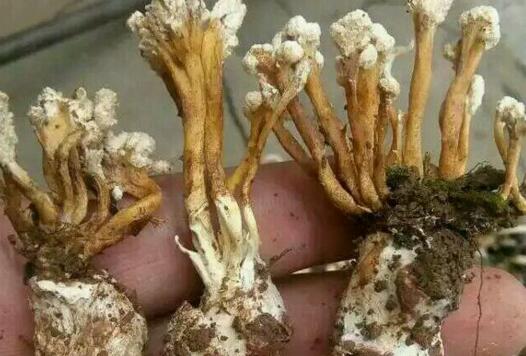
Where Golden Cicada Flower Grows as an Entomopathogenic Fungus, Plus Effective Ways to Eat It and People Who Should Avoid It
Golden cicada flower, commonly known as large cordyceps, is an entomopathogenic fungus; among the 504 species of cordyceps discovered worldwide, golden cicada flower and Chinese cordyceps are just two of them. So, where does golden cicada flower grow? How should it be eaten for the best effect? Who should not eat it? Where does golden cicada flower grow?
-
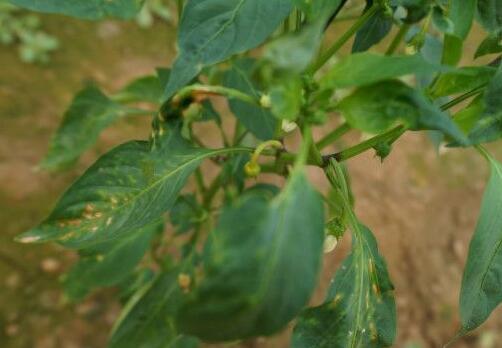
Identification of plant physiological diseases: diagnosis of diseases caused by abiotic pathogens
Identification of plant abiotic pathogens and the diseases they cause (physiological diseases)? During the process of plant growth and development, unsuitable physical factors, chemical factors, air pollution, pesticide toxicity, as well as the plant's own physiological defects or hereditary diseases in the environment can all cause plants to develop diseases caused by abiotic pathogens
-
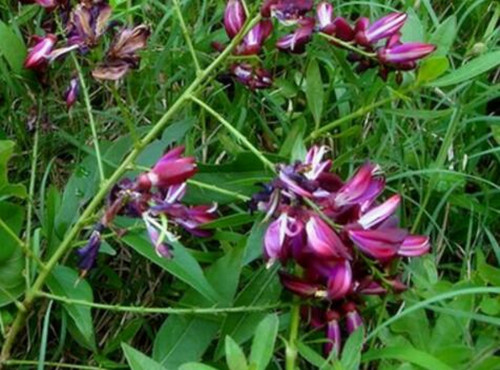
How much is Spatholobus suberectus (Millettia reticulata stem) per jin? Detailed explanation of planting methods and medicinal effects
Spatholobus suberectus stem, a traditional Chinese medicine name. It is the dried vine stem of the leguminous plant Spatholobus suberectus (Millettia dielsiana). It is harvested in autumn and winter, with branches and leaves removed, sliced, and sun-dried. It is distributed in Guangdong, Guangxi, Yunnan and other places. It has high medicinal value. So, how much is Spatholobus suberectus stem per jin? How to plant it? What effects and actions does it have? It is understood that
-
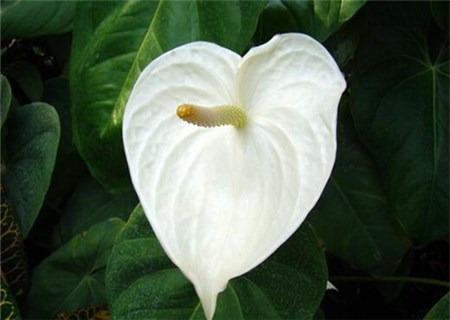
Peace Lily, also known as Spathiphyllum: How to Grow It from Seed, Its Benefits and Effects, and How Many Times It Blooms a Year
The peace lily (Spathiphyllum) is widely cultivated around the world. It is very beautiful when in bloom, and even when not flowering it is an excellent indoor potted foliage plant. It is a new generation of indoor potted flowers. So do you know what the methods are for growing peace lilies from seed? What benefits and effects do they have? How many times do they bloom a year?
-
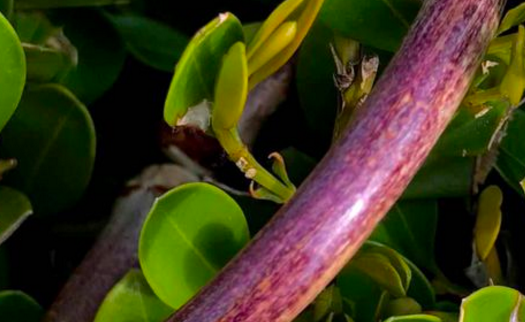
Spatholobus suberectus (Millettia reticulata) Care Guide: Growing Methods, Precautions, Propagation and Flower Meaning
Spatholobus suberectus loves a warm, sunny environment but can also tolerate shade. So what are the growing methods and precautions for Spatholobus suberectus? How do you propagate it? What is its flower meaning? According to available information, Spatholobus suberectus is not strict about light during its growth; it is a light-loving plant but can also tolerate shade. As for temperature
-
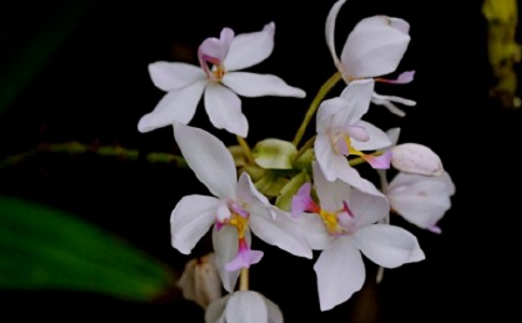
Growing Methods for Spathoglottis in the Asparagales Order, with Notes on Fertilizing and Watering
Spathoglottis is a plant in the orchid family (Orchidaceae), genus Spathoglottis. So what are the growing methods and precautions for Spathoglottis? How do you fertilize it? How do you water it? According to available information, Spathoglottis generally grows on ancient cliff walls on the slopes of deep mountains and secluded valleys, in places with shade, short sunlight hours, or only scattered, dappled light. It likes shade by nature and dislikes direct sunlight.
-

What are the pathological symptoms of nutrient deficiency in Clivia?
Clivia is a precious indoor ornamental flower. Clivia is easy to cultivate, but improper management can lead to failure to bloom, or even poor plant growth. Therefore, rational fertilization is one of the important conditions for growing Clivia well. According to observation and research, when Clivia lacks nutrient elements, it shows the following symptoms: when deficient in nitrogen
条件筛选