How to grow a Peace Lily (Spathiphyllum) potted plant? Care methods and precautions
The Peace Lily's flower stems are upright and elegant, fresh and pleasing to the eye, making it one of the preferred choices for potted plants. The Peace Lily generally blooms from May to August, but with careful care, it may also be kept blooming all year round. Placed as a potted plant to accent the living room or study, it makes people feel fresh and natural, very cozy, while when displayed in hotel lobbies, front-of-house areas, station entrances and exits, shopping mall display windows, and other places, it appears even more elegant and handsome.
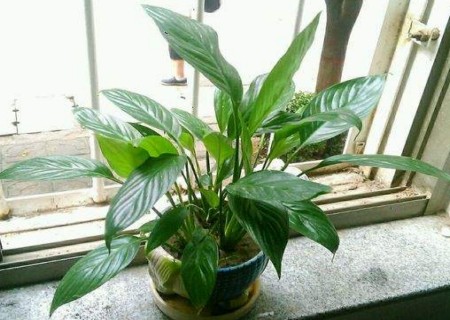
So, how do you grow a Peace Lily as a potted plant? Follow along below as we learn about it together!
1. Soil requirements
The soil requirement for growing a Peace Lily as a potted plant is that the soil should be loose, with good drainage and aeration; heavy clay soil should not be used. It is recommended to use leaf mold, peat soil, river sand, and perlite mixed into a growing medium. During planting, an appropriate amount of decomposed farmyard manure can be added as a base fertilizer.
2. Light conditions
Since the Peace Lily likes a semi-shaded growing environment, direct strong light should be avoided. Appropriate scattered light is enough to meet its light needs, and in summer, appropriate shading measures should be taken. However, because winter temperatures in the north are relatively low, appropriate light can be given, on the one hand to promote photosynthesis and growth, and on the other hand to lay the foundation for later flowering.
3. Temperature guarantee
Relatively speaking, the Peace Lily is fairly tolerant of high temperatures, with a suitable growing temperature between 20-28°C. In winter, because the temperature is too low, to ensure it survives the winter safely, it should be brought indoors when the temperature falls below 10°C, and cold protection and insulation should be done well. If the temperature is too low and the pot is also too wet, root rot, yellowing leaves, and leaf drop can occur.
4. Proper watering
Since the Peace Lily prefers a humid environment, water supply must be ensured during its growing period, but at the same time overwatering should be avoided, because excessive watering easily causes water accumulation in the pot, leading to root rot and yellowing leaves. In summer or dry seasons, because air humidity is insufficient, water should be sprayed on the leaves of the potted Peace Lily, or a certain amount of water should be sprayed on the ground to maintain the air humidity needed in the plant's growing environment.
5. Moderate fertilization
Since the Peace Lily grows relatively quickly, its demand for nutrients is naturally relatively large. Therefore, when growing a Peace Lily as a potted plant at home, an appropriate amount of nutrient supplementation should be given, that is, moderate fertilization. During the growing season, apply an organic liquid fertilizer or a thin compound fertilizer or decomposed cake fertilizer water about once a week. This not only benefits healthy plant growth but also helps extend the flowering period. However, when winter temperatures are too low, fertilization should be stopped, otherwise fertilizer damage is likely, that is, harm to the plant.
6. Repotting in time
Because the nutrients in the potting soil are limited and the plant can become too lush and crowded, the Peace Lily generally needs to be repotted once a year, and the repotting time should preferably be before a large number of new shoots sprout in early spring. Before repotting, choose a flower pot of suitable size; when repotting, remove part of the old soil, prune the plant's root system at the same time, and add new growing medium; after repotting is completed, loosen the soil on the pot surface to keep it loose and breathable, which is more conducive to the healthy growth of the Peace Lily.
7. Pest and disease control
Usually, the diseases that harm the Peace Lily include leaf spot, brown spot, and anthracnose, and it is also often accompanied by pests such as scale insects and red spider mites. In ordinary care, we should pay more attention to observation and deal with problems promptly when found, especially by taking protective measures in advance, so as to avoid being in a rush when problems are found and missing the best time for treatment.