Spatholobus suberectus (Millettia reticulata) Care Guide: Growing Methods, Precautions, Propagation and Flower Meaning
Spatholobus suberectus loves a warm, sunny environment but can also tolerate shade. So what are the growing methods and precautions for Spatholobus suberectus? How do you propagate it? What is its flower meaning? According to available information, Spatholobus suberectus is not strict about light during its growth; it is a light-loving plant but can also tolerate shade. As for temperature, the suitable temperature for Spatholobus suberectus growth is between 20-30°C, and it is not cold-tolerant, so when winter temperatures are too low, if conditions allow, you can keep Spatholobus suberectus in a greenhouse or indoors over winter.
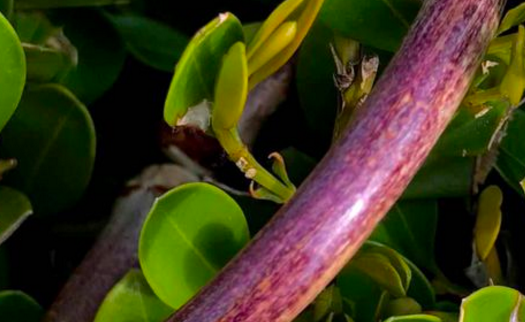
1. Growing methods and precautions for Spatholobus suberectus?
Light and temperature
Spatholobus suberectus is not strict about light during its growth; it is a light-loving plant but can also tolerate shade. As for temperature, the suitable temperature for Spatholobus suberectus growth is between 20-30°C, and it is not cold-tolerant, so when winter temperatures are too low, if conditions allow, you can keep Spatholobus suberectus in a greenhouse or indoors over winter.
Watering and fertilizing
Spatholobus suberectus has low requirements for water and fertilizer. During the growing season, you can fertilize once every half month, preferably with a light fertilizer. After fertilizing, you can water lightly to avoid fertilizer burn. From July to August, Spatholobus suberectus grows most vigorously, so you can apply additional fertilizer.
Soil
Spatholobus suberectus has low requirements for soil; fertile soil is best, but it can also tolerate poor soil. For potted plants, the soil is best as loose, fertile, well-drained mountain soil or leaf mold.
Propagation methods
Spatholobus suberectus is usually propagated by seed sowing, division and cuttings; the cutting method is relatively convenient.
Precautions:
Pests and diseases
Spatholobus suberectus is prone to root rot during the rainy season, which can be treated with carbendazim. Sometimes there are also cutworms and scarab beetle larvae, which bite and feed on Spatholobus suberectus and affect its normal growth. You can use chemicals for control. You can also use specialized insecticides to kill the pests, or make your own insecticide to kill them.
Trellising
Basically, Spatholobus suberectus can form a beautiful scene on its own as it grows, but you can also set up a flower trellis according to your own preference and let Spatholobus suberectus grow along the trellis.
Overwintering
In winter, Spatholobus suberectus needs to overwinter safely; placing it indoors or in a greenhouse is fine, and if it cannot be moved, then cold protection measures must be taken. You can build a cold protection shed or cover it with straw to help Spatholobus suberectus overwinter safely.
2. How do you propagate it?
1. Seed propagation
Seed propagation of Spatholobus suberectus is relatively simple to carry out but requires a certain cycle.
Spatholobus suberectus reaches fruit maturity in September. When the fruit begins to ripen, the seeds should be harvested in time. Dry the harvested seeds in the sun, then store them sealed, and carry out seed propagation in the spring of the following year.
The specific method of sowing Spatholobus suberectus is the same as for other plants, but note that before sowing, the seeds need to be pre-germinated first; soak the seeds, and only sow them once the white radicle emerges.
2. Cutting propagation
Seed propagation of Spatholobus suberectus requires a fairly long cycle from sowing to plant maturity, so when propagating Spatholobus suberectus, using the cutting method is convenient and simple.
Before cutting propagation, preparation work must be done first, mainly preparing the cutting medium and the cuttings. First, prepare a seedbed; soil that is loose and fertile is best, and the soil should be disinfected to kill any possible insect eggs or bacteria, and some base fertilizer can also be added to ensure there are enough nutrients for the growth of Spatholobus suberectus.
After the seedbed is ready, prepare the cuttings. Choose robust, healthy, pest- and disease-free 1- to 2-year-old woody branches of Spatholobus suberectus for cuttings, cut them to a length of about 15cm, remove the leaves and trim them, and you can cut the base of the cutting at an angle to make it easier to distinguish top from bottom.
Soak the cuttings in rooting agent to encourage rooting, take them out and let them dry, then insert them obliquely into the soil and water the seedbed thoroughly once. Generally, they will root in half a month. When the cuttings of Spatholobus suberectus begin to grow, with reasonable watering and fertilizing, they can grow healthily.
3. What is the flower meaning?
The flower meaning of Spatholobus suberectus is faithfulness and nobility. The beautiful Spatholobus suberectus always blooms in large clusters, extraordinarily abundant. When it covers a flower trellis, what it brings people is not only the enjoyment of beauty, but also admiration for that beauty.