How much is Spatholobus suberectus (Millettia reticulata stem) per jin? Detailed explanation of planting methods and medicinal effects
Spatholobus suberectus stem, a traditional Chinese medicine name. It is the dried vine stem of the leguminous plant Spatholobus suberectus (Millettia dielsiana). It is harvested in autumn and winter, with branches and leaves removed, sliced, and sun-dried. It is distributed in Guangdong, Guangxi, Yunnan and other places. It has high medicinal value. So, how much is Spatholobus suberectus stem per jin? How to plant it? What effects and actions does it have? It is understood that the price of Spatholobus suberectus stem is around seven yuan per jin, and prices vary in different regions.
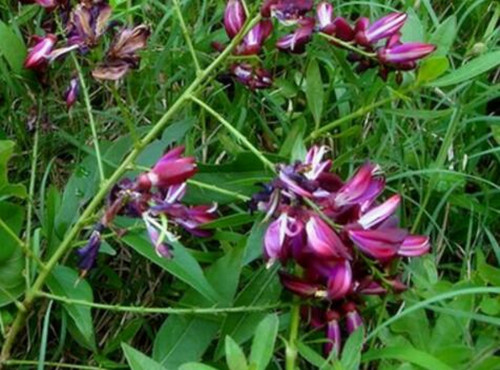
How to plant Spatholobus suberectus?
1. Site selection and land preparation
According to the growing environment of Spatholobus suberectus, you can choose a gentle slope or open field below 500 m in altitude, with convenient drainage and irrigation, sheltered from wind and humid, as the seedbed for raising seedlings. Sandy soil with relatively deep soil layers is preferable. In the winter of the previous year, plow the soil deeply once to freeze to death most of the pests overwintering in the soil. In the following year, apply 300-500 kg of farmyard manure or 50-100 kg of compound fertilizer per mu as base fertilizer, plow deeply and make raised beds. The seedbed width should be 1.2 m, and the height should be 20-30 cm. Level it, and spray and disinfect with a 5% potassium permanganate solution. Dig drainage ditches between and around the seedbeds, requiring smooth drainage with no standing water in the ditches. Then cover the seedbed with black plastic film, and press down the edges with soil and clods.
2. Cutting preparation
Before the new buds of Spatholobus suberectus sprout, choose robust, pest- and disease-free 1-2 year old lignified branches as cuttings. The collected branches should be promptly watered to maintain moisture. Cut the branches into stem segments 15-20 cm long with at least 2 buds, remove the leaves, cut the base at a 45-degree angle and the top flat, so as to distinguish the head from the tail. The top cut should be about 1 cm from the bud. The whole process from collection to cutting is best completed within 3 to 4 days.
3. Cutting
Before cutting, soak in a diluted solution of ABT-2 rooting agent or indoleacetic acid rooting agent for 20 minutes, with a soaking depth of about 3 cm (as shown in Figure 2). Then take them out and dry the surface moisture of the base. Before cutting, first use a sharp wooden stick to make small holes at a row spacing of 15*15 cm in a “plum blossom shape” (“plum blossom shape” allows the seedlings to stagger each other, which is beneficial to photosynthesis), then insert the cuttings obliquely into the soil along the pre-made small holes at a 45-degree angle to the ground, with the inserted length being two-thirds of the whole branch, leaving at least one bud exposed.
After about 10-15 days, the Spatholobus suberectus cuttings begin to take root and sprout. Because of the plastic film covering, soil moisture loss is very little, so watering and irrigation are omitted; the black plastic film absorbs heat and keeps warmth, allowing rooting and sprouting 5-10 days earlier than ordinary cutting methods. The light transmittance of the black plastic film is less than 5%, so weeds cannot carry out photosynthesis and are difficult to grow, thus eliminating the need for manual weeding in the early stage. According to estimates, the cost of watering and irrigation and 6 manual weedings in the early stage of cutting Spatholobus suberectus accounts for about 30% of the total cost. Using the plastic film mulching cutting technique requires only 1 weeding after removing the film (saving the cost of 5 weedings). After deducting the cost of purchasing the plastic film, it saves about 45% of the cost compared with ordinary cutting seedling technology.
4. Seedling raising time
Generally choose between February and May, preferably around 20 days before and after Qingming. At this time, the temperature is not high and there is sufficient rain, so the seedling survival rate is the highest.
5. Shading and watering management
After cutting, evenly spray water on the seedbed once, preferably soaking it thoroughly. Then build a shade shed 2.5 m high, using a shade net with about 60% shading rate. When the young seedlings reach 10 cm, spray foliar fertilizer once on the afternoon of a cloudy day. After 90 days, spray with 3% compound fertilizer to promote the growth of young seedlings and roots (note: after spraying, spray again with clean water to avoid foliar fertilizer damage). After June, as the temperature gradually rises, carbon dioxide accumulates in the soil and forms a buildup, which can easily cause root rot. Remove the plastic film in time, and burn the discarded plastic film in a centralized manner to avoid polluting the environment. After removing the film, the weeds on the seedbed have basically not yet sprouted, while the Spatholobus suberectus seedlings have already begun to grow and have formed a competitive advantage over the weeds. After that, depending on the growth of Spatholobus suberectus, weed manually once or skip weeding, greatly saving costs.
What effects and actions does Spatholobus suberectus have?
1. Nourishes the blood, invigorates blood circulation, and unblocks the collaterals. It can treat irregular menstruation, blood deficiency and sallow complexion, numbness and paralysis, and rheumatic arthralgia.
2. Inhibits the heart and lowers blood pressure.
3. Anti-cancer effect.
4. Regulation of lipid metabolism.