-
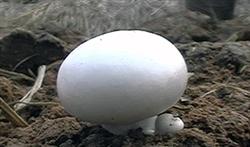
Autumn Fruiting Management Methods and Technical Key Points for Button Mushrooms
Button mushrooms (Agaricus bisporus) are a medium-to-low temperature type of mushroom. Their fresh mushrooms have a protein content of 35%-38%, and their nutritional value is 4-12 times that of vegetables and fruits. They enjoy the reputation of "health food" and "king of vegetarian foods," and are highly favored by domestic and international markets. When button mushrooms are cultivated in the Beijing area, September-November and April-May of the following year are the fruiting periods. Double...
-
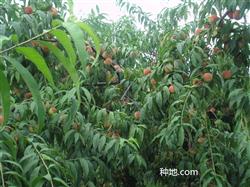
What are the peach tree planting techniques? A detailed explanation of cultivation and management methods
What planting techniques are there for peach trees? Peach tree planting has the following 6 technical points: 1. For graft propagation of peach trees, use wild peach as the rootstock, and the grafting method should be budding or cut grafting. 2. Peach trees are best planted in winter and spring, and can also be planted in autumn. The density is preferably 4×3 m on flat land and 3.5×2.5 m on mountain land. When they become too dense at maturity, thin them out gradually...
-
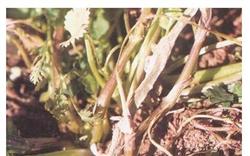
Cilantro Field Management Methods
Cilantro sclerotinia rot: in recent years, as the cilantro planting area has continued to expand, especially because crop rotation is difficult in protected cultivation, the pathogen has accumulated more and more, and the damage has become increasingly serious, becoming a major obstacle in cilantro production. 1. Symptom identification: cilantro sclerotinia rot mainly damages the base of the stem, followed by the leaves. At first, ...
-
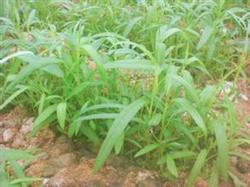
Introduction to Water Spinach Cultivation Techniques and Management Methods
It is once again the season when water spinach hits the market. Below is an introduction to the cultivation methods for water spinach: Water spinach, also known as water convolvulus, has a long harvest period and is a leafy vegetable that grows in summer. It can break the structure of northern summers being short on leafy vegetables and long on pod-bearing vegetables, and is not limited by high temperatures or heavy rain. Therefore, the north has begun to introduce and cultivate it, and has achieved success. First...
-
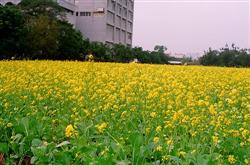
New tricks for winter management of rapeseed: master the methods to help it overwinter
Generally, the boron content in cruciferous crops is higher than in monocotyledonous crops; usually, crops with a high boron content also have a high boron requirement. Boron can promote the normal development of the reproductive organs of boron-loving crops such as rapeseed, accelerate pollen germination and pollen tube elongation, and facilitate fertilization and seed setting. When boron is deficient, these organs may wilt...
-
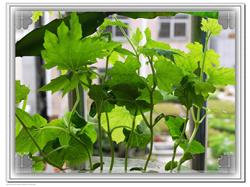
Bitter Melon Seedling Stage Management Methods and Technical Key Points
How to manage bitter melon at the seedling stage? Please advise on the following points to note during the bitter melon seedling stage: 1. Intertillage, weeding and earthing up: generally after planting and watering to help the seedlings recover, carry out the first intertillage when the surface soil is slightly dry and no longer sticky. If there are strong winds or the soil is dry, water thoroughly once more before intertilling. The second intertillage can be done...
-
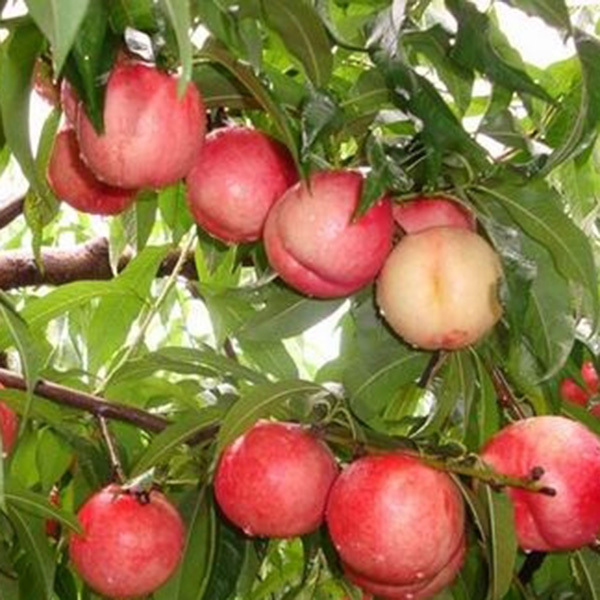
Detailed Explanation of Nectarine Cultivation Techniques and Management Methods
Nectarine Cultivation Techniques
-
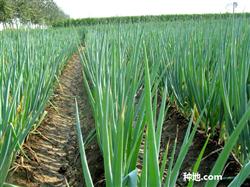
How to Water and Fertilize Welsh Onions? Scientific Water and Fertilizer Management Methods
How to manage water and fertilizer for Welsh onions well? Please explain. Welsh onion is a vegetable with a relatively high fertilizer demand, and generally requires 3 to 4 topdressings from transplanting to harvest. For a long time, some onion farmers have been accustomed to furrow topdressing, which not only easily cuts the fibrous roots of Welsh onions, but also often burns the tender...
-
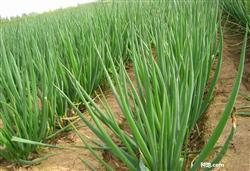
Management Methods for Welsh Onions During Hot and Rainy Summer Weather
How to manage Welsh onions during hot and rainy summer weather? Please advise, thank you. Promoting root growth in the early stage is the foundation. After Welsh onions are transplanted, when the soil temperature is relatively high, the physiological function of the root system is very weak, and the plants recover slowly from transplanting, so they should not be watered too much. When it is very dry, a small amount of water can be applied; when it rains, pay attention to drainage and waterlogging prevention, and promptly hoe and loosen the soil after rain, so as to drain moisture and improve aeration...
-
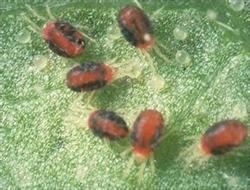
Detailed Explanation of Five Post-Harvest Management Methods for Field-Grown Wood Ear Mushrooms
Remove contamination sources: culture material that is contaminated or severely affected by pests should be promptly disposed of and removed, and the contaminated environment should be cleaned and disinfected at the same time.
条件筛选