New tricks for winter management of rapeseed: master the methods to help it overwinter
Generally, the boron content in cruciferous crops is higher than in monocotyledonous crops; usually, crops with a high boron content also have a high boron requirement. Boron can promote the normal development of the reproductive organs of boron-loving crops such as rapeseed, accelerate pollen germination and pollen tube elongation, and facilitate fertilization and seed setting. When boron is deficient, these organs may wilt...
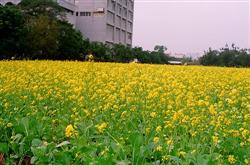 The weather is turning cooler, and winter is not far off. Farmers should pay attention to the growth of rapeseed, fertilize scientifically, and improve the crops' ability to withstand the cold.
The transition between autumn and winter is a key period for fertilizing rapeseed. Fertilizing before winter or during the overwintering period can promote the slow growth of rapeseed, enhance its cold resistance, and also promote early growth after spring arrives. This is exactly the principle behind what is called "winter fertilizer for spring use." Scientific fertilization in autumn and winter can effectively prevent rapeseed from excessive late-season vegetative growth after spring arrives, and can also rely on winter rain and snow to reduce the difficulty of topdressing during spring drought, improve fertilizer use efficiency, and thereby lower agricultural production costs. Therefore, farmers should fertilize in a timely manner according to the growth conditions of the crops.
There are many particular points to winter fertilization of rapeseed. Generally, farmyard manure with strong heat-retaining properties, such as barnyard manure, soil and miscellaneous manure, and pig manure, is the main type; according to soil fertility conditions, carbon fertilizer, ammonium fertilizer, and other fertilizers may be appropriately added. After fertilization, weeds should be removed as early as possible, and New High Lipid Film should be sprayed on. Build up the root area and cover with fertilizer to keep warm and prevent freezing, prevent soil compaction, and prevent rapeseed from freezing damage and fertilizer loss. If rapeseed is planted in paddy fields, farmers can use local materials, spray New High Lipid Film, and use rice straw as cover. Generally, the best standard is that the straw does not cover the seedlings and the soil is not exposed. After the rapeseed is harvested, the rice straw has already rotted and can serve as base fertilizer for the next year.