-

Key Points of Ginger Cultivation Techniques and a Detailed Explanation of Field Management Methods
Ginger Cultivation Techniques
-

Key Points of Purslane Planting Technology and Field Management Methods
Purslane Planting Technology
-
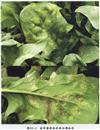
Comprehensive Management and Control Methods for Spinach Downy Mildew
Comprehensive management of spinach downy mildew means integrated management of spinach downy mildew. 1. Fertilizer and water management. Spinach prefers fertile, moist, cool conditions and dislikes drought and waterlogging; it is a fast-growing vegetable. Therefore, during the growing period, sufficient fertilizer and water must be supplied in a timely manner. From sowing to full emergence, the soil must be kept moist to ensure full emergence. At the 3-leaf stage, cultivate and weed, ...
-
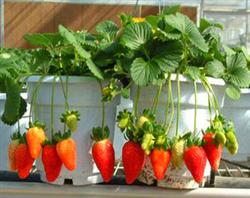
Strawberry Container Cultivation Techniques and Management Methods
Strawberry is a perennial herbaceous plant of the genus Fragaria in the rose family (Rosaceae). Its flowers are white and its fruit red, the plant is short, with leaves growing in clusters, and green leaves set off the red fruit as it creeps along the ground, full of charm. In warm-climate regions it does not shed its leaves in winter, and its flowering and fruiting period is long; from November to May of the following year it has both flowers and fruit, and it can be used to arrange flower beds and flower borders. When the fruit of a potted strawberry is bright red...
-
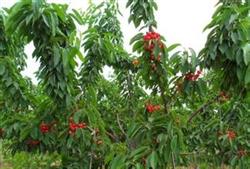
Detailed Explanation of Cherry Planting, Cultivation Techniques and Management Methods
I. Variety Selection, Orchard Establishment and Planting Chinese cherries have weak cold resistance and prefer a warm and moist climate, making them suitable for cultivation in areas with an annual average temperature of 15-16°C. Sweet cherries prefer cool and dry conditions. The natural dormancy period of cherries is about 80-100 days. The chilling requirement for sweet cherries to complete dormancy is 1100-1300 hours below 7.2°C. Sour...
-

Key Technical Points and Cultivation Management Methods for Brazilian Banana Planting
I. Selection of Banana Orchard Site A Brazilian banana orchard requires loose soil, a deep and fertile soil layer, a low groundwater table, easy irrigation and drainage, abundant sunlight and air, and convenient transportation. II. Land Preparation 1. Opening the Orchard and Preparing the Land At present, banana planting in our city mostly uses paddy fields, and paddy fields generally have a high groundwater table,...
-
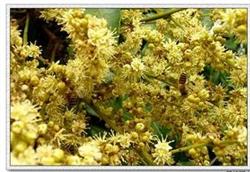
Management methods for lychee and longan during continuous rainfall
When longan blooms during continuous overcast and rainy weather, the anthers do not split open, pollination and fertilization are difficult, and the flowers pile up, causing flower soaking and rot, resulting in no fruit or poor fruit set. Yuhualing Technology hereby reminds fruit growers to pay attention to preventing flower soaking. 1. Do a good job of flower thinning. For those with short flower panicles, many lateral flower panicles and dense flower buds, thinning is needed before flowering...
-
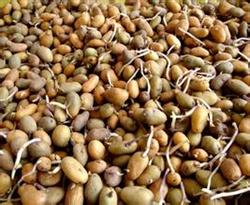
Potato Field Management Methods
Potato sprouting using the wet sand stratification method: Potato sprouting is generally carried out about 30 to 40 days before sowing. Sprouting can be done in sun-facing beds, cold frames, indoors, plastic tunnels and greenhouses. For sprouting in sun-facing beds, choose a wind-sheltered, sunny spot and build the bed in an east-west direction. Generally the seedbed is 0.4 to 0.5 m deep and 1.3 m wide, with a 0.5 m high windbreak wall of earth built on the north side...
-
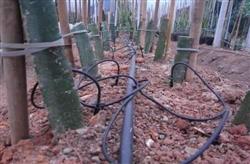
Pitaya (Dragon Fruit) Water and Fertilizer Management Methods and Precautions
Pitaya is relatively drought-tolerant. Water once every 2 to 3 days in the early stage after planting, and thereafter just keep the soil moist. The root system of pitaya is distributed relatively shallowly, so fertilizer should be applied in small amounts but frequently to prevent root burn and root rot. After the planted seedlings sprout, apply dilute human manure and urine in the planting hole about 10 cm from the seedling, about 1 kg per plant, and thereafter...
-
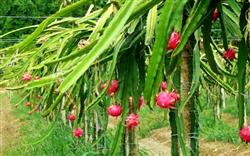
A Detailed Guide to Dragon Fruit Cultivation Techniques and Field Management Methods
I. Orchard Establishment Dragon fruit is relatively heat-tolerant, water-tolerant, and prefers warm, humid, sandy soil rich in organic matter. Before planting the seedlings, set up 100-110 square concrete pillars measuring 10×10×250 cm per mu at a spacing of 1.5 m × 2 m, with the concrete pillars buried 50 cm into the soil to support the climbing dragon fruit branches. On both sides of each concrete pillar, at 5-1...
条件筛选