-
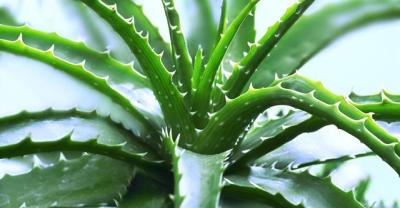
What are the management methods after planting agarwood trees?
(1) Early-stage management In the early stage after agarwood trees are planted, attention should be paid to preventing drought, and they should be watered promptly according to weather conditions. During the young seedling stage, weeds should be removed and the soil loosened once each year in February-March, June-August, and October-November. During the young tree stage, fertilizer should be applied 2-3 times each year in combination with weeding. In the dry season, apply a light dressing of human and livestock manure water or ammonium sulfate or urea diluted with water. In the rainy season, open ditches around the planting holes and apply organic fertilizer mixed with superphosphate; if the trees are mature, open ditches and increase the application of organic fertilizer and green manure. When agarwood seedlings are young, the trees are small and also require a certain amount of shade, so it is best to plant a few rows of leguminous crops such as red beans or mung beans between the rows, and properly control their height and density so they do not overly shade the agarwood. To help the trunk grow straight and to facilitate artificial agarwood formation, prune once each year in autumn and winter the lateral branches on the lower part of the stem, as well as diseased, weak, and overly dense branches. In the first year, pruning should be light; simply cut off the lateral branches on the crown, diseased and insect-damaged branches, weak branches, and overly dense branches. Do not excessively cut away all lateral branches, as this will affect growth. Later, as time passes and the young trees gradually grow taller, gradually prune upward. Some lateral branches are best cut in two stages: cut half the first time to maintain a certain leaf area, and the second time cut them flush against the trunk.
-
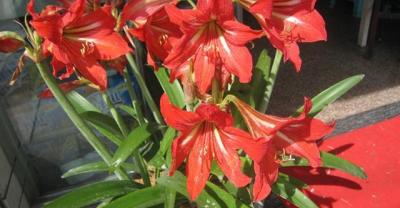
Detailed Explanation of Red Peony Cultivation Techniques and Management Methods
[Overview] Red Peony is a commonly used traditional Chinese medicinal herb with a long history of application. It is an excellent product for clearing heat and cooling blood, and dispersing blood stasis, and is deeply favored by physicians. This product is the root of the Ranunculaceae plant peony...
-
Rural crucian carp farming: 5 farming management methods that farmers and friends should know
As people nowadays increasingly favor the farming industry, many farmers and friends have started farming crucian carp. Crucian carp is no stranger to us farmers and friends, but as for...
-

How Long Until Sheep Are Ready for Market? The Growth Cycle and Feeding Management Methods for Sheep
I. Compound Feed and Feeding Amounts for Goats (I) Principles for Formulating Daily Rations Based on the digestive physiological characteristics and nutritional needs of sheep, taking into account palatability, the nutritional value of the feed...
-

A Detailed Guide to Clivia Care and Management Methods
What exactly are the care and management methods for Clivia?
-

Lily Planting, Care and Management Methods and Technical Key Points
I. Temperature Management During the first two weeks of lily planting, the temperature should be kept at around 4-13°C, after which the temperature can be gradually increased to promote stem and root growth. ...
-
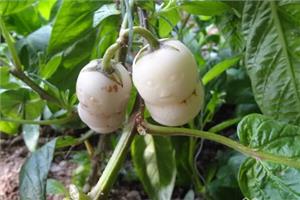
Ginseng Fruit Planting and Management Methods and Precautions
Ginseng Fruit Planting and Management, Precautions for Growing Ginseng Fruit
-

Detailed Explanation of Houttuynia cordata Planting Techniques and Management Methods
Nong Xiaojun Planting Expert Houttuynia cordata is also known as zhe'ergen, dog heart grass, etc. Because its roots, stems, and leaves have a fishy smell, it is named Houttuynia cordata. Houttuynia cordata is a perennial root herb...
-
What are the efficient management methods for fig cultivation?
Whenever flowers bloom, we can see a scene of brilliant purples and reds, but there is a plant that hides its flowers deep inside its "fruit." This plant is...
-

A Detailed Guide to Mung Bean Sprout Cultivation Techniques and Management Methods
Mung Bean Sprout Cultivation Techniques
条件筛选