Detailed Explanation of Houttuynia cordata Planting Techniques and Management Methods
Nong Xiaojun Planting Expert
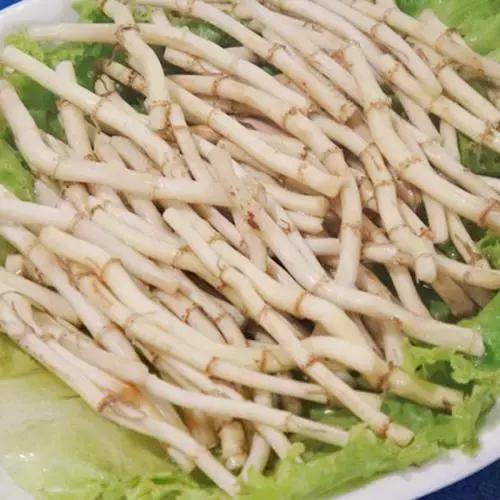
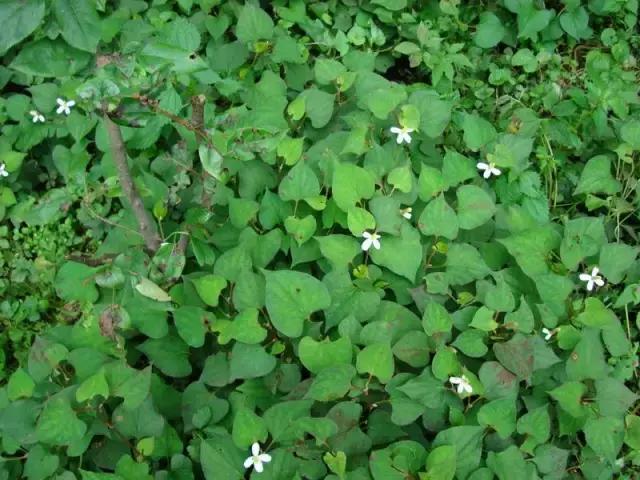
Houttuynia cordata is also known as zhe'ergen, dog heart grass, etc. Because its roots, stems, and leaves have a fishy smell, it is named Houttuynia cordata. Houttuynia cordata is a perennial root herbaceous plant used both as medicine and food, mainly distributed in the southern provinces of China, especially in Sichuan, Hunan, Hubei, Guizhou, Jiangsu and other provinces.
I. Land Selection, Land Preparation, and Base Fertilizer Application
1. Plot Selection
To obtain a relatively high rhizome yield, the plot should be selected as flat, with sufficient water sources, convenient drainage and irrigation, deep plough layer, suitable soil structure, good physical and chemical properties, and moderate fertility sandy loam soil for planting.
2. Fine Land Preparation
After selecting the plot, thoroughly remove weeds and the stalks of the previous crop, and deep plough and sun-dry the soil. Before planting, deep plough and rake level, apply sufficient base fertilizer, and make the plot loose, fertile, and level.
3. Applying Sufficient Base Fertilizer
Before planting, apply 1000--1500 kg of decomposed farmyard manure and 150--200 kg of plant ash per mu, plough once, 25--30 cm deep, so that the fertilizer and soil are fully mixed.
4. Opening Beds for Planting
After the soil and fertilizer are fully mixed, open beds, with bed width 2-2.5 m, ditch width 30-35 cm, and depth 25-30 cm.
II. Propagation Methods
Houttuynia cordata generally uses asexual propagation, divided into rhizome propagation and cutting propagation, but rhizome propagation gives better results, saves time and labor, and has higher yield.
>>>>
Rhizome Propagation
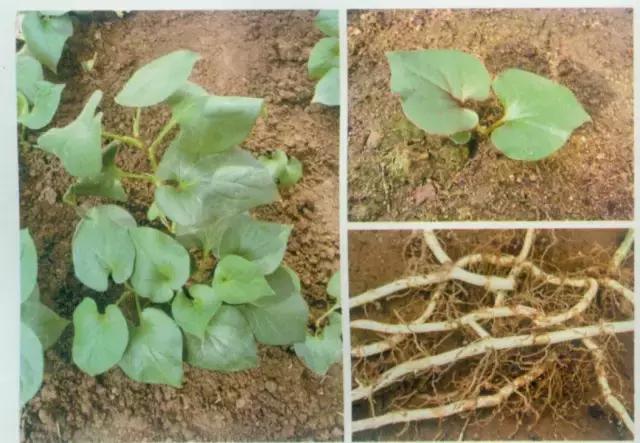
Carry out in February-March, before the plant sprouts new shoots, dig out the rhizomes, cut them into 8-10 cm long small sections with 2-3 or more axillary buds, and keep the fibrous roots.
At a row spacing of 20-25 cm, open shallow ditches 5-8 cm deep, place the cut rhizomes in the ditches at a plant spacing of 8-10 cm, cover with soil 6-10 cm; if the soil is moist, no watering is needed, and when the soil is dry, irrigate appropriately to keep the soil moist; after 15-20 days, seedlings can be seen emerging.
III. Field Management
1. Cultivation and Weeding
After Houttuynia cordata is planted, weeds must be removed frequently; before the rows close, soil can be hilled and weeds removed, and after the rows close, weeds are pulled by hand, with fertilizer and water management done in combination with cultivation and weeding.
2. Water and Fertilizer Management
Keep the soil moist throughout the entire growth period. In the early stage, growth is slow; from seedling survival to before row closure, apply 8-10 kg of urea per mu as seedling fertilizer; during the peak period of stem and leaf growth, the fertilizer requirement is relatively large, so apply 10-15 kg of compound fertilizer per mu. Afterward, change to foliar topdressing, using a 0.4% potassium dihydrogen phosphate solution, sprayed once every 7 days, for a total of 4-5 times.
When the plant height is above 10 cm, hill up soil in time; throughout the growth period, do not irrigate with polluted dirty water, and prohibit the application of garbage, unfermented and undecomposed human (livestock) manure and urine, nitrate nitrogen (ammonium nitrate), etc.; do not apply any fertilizer within 30-35 days before harvest.
3. Removing Flower Buds
When the aboveground part grows excessively, harvest the tender stems and leaves in time; when flowering and budding, remove the flower buds in time to avoid flowering consuming a large amount of nutrients and inhibiting the growth of underground stems.
4. Pest and Disease Control
Houttuynia cordata rarely suffers from pests and diseases, and generally does not need chemical control. If root rot occasionally occurs, it can be watered with a 1000-fold solution of 70% thiophanate-methyl.
IV
. Timely Harvesting
For harvesting tender stems and leaves for consumption, they can be harvested from April to October, and can be harvested multiple times.
For products using underground stems, after entering October, they can be harvested successively according to market demand. After harvesting, wash clean and tie into bundles for market. During storage and transport, water appropriately to keep fresh. During storage and transport, the product must be kept clean and hygienic; the interval from harvest to sale should not be too long, otherwise the rhizomes are prone to turning yellow, affecting the selling price.