-
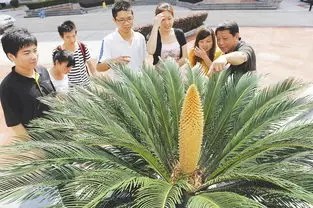
Detailed Explanation of Sago Palm Bonsai Making Methods and Steps
Sago palm is also called iron tree or phoenix-tail banana. Among the common people, the name "iron tree" is used more often for the sago palm. One explanation is that it gets this name because its wood is so dense that it sinks as soon as it enters water, being as heavy as iron; another explanation is that because its growth requires a large amount of iron, even a declining and dying sago palm can be brought back to life if an iron nail is driven into its trunk.
-
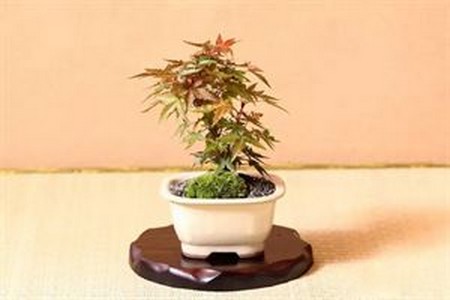
Detailed Guide to the Making Methods and Key Points of Smoke Tree Bonsai
Smoke tree (Cotinus coggygria), also known as sumac tree or red leaf. The leaves of the smoke tree are oval-shaped with slender petioles. In early summer it bears small yellow-green flowers in panicle-shaped inflorescences. The stalks of the sterile flowers are pink and feathery, lasting a long time without falling. Viewed at the edge of a dense smoke tree grove, they look like wisps of cooking smoke curling above the forest. In English, the smoke tree is called "smoke tree."
-
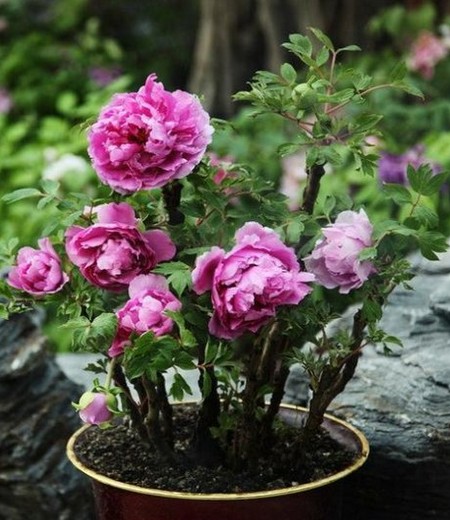
Detailed Explanation of the Making Methods and Steps of Peony Bonsai
Peony bonsai is a newly emerging flowering bonsai category. It combines the magnificent peony with the rustic and elegant art of bonsai, forming an artistic form with a unique Central Plains local style, and has been praised by experts and scholars in China's bonsai circles.
-
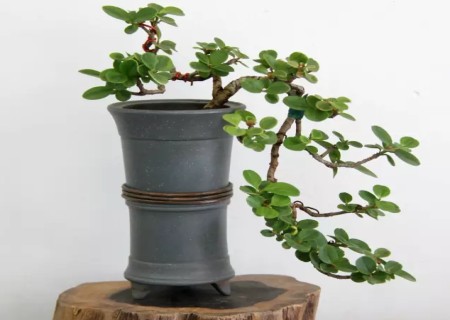
A Detailed Guide to Boxwood Bonsai Making Techniques and Methods
Boxwood, also known as Chinese boxwood or pearl boxwood, has a graceful tree form, thick and glossy leaves, and most importantly, it stays evergreen all year round and can be enjoyed throughout the year, making it a precious material for bonsai. It can be made into fine bonsai works for people to admire. If you collect old boxwood stumps from the wild to create bonsai
-
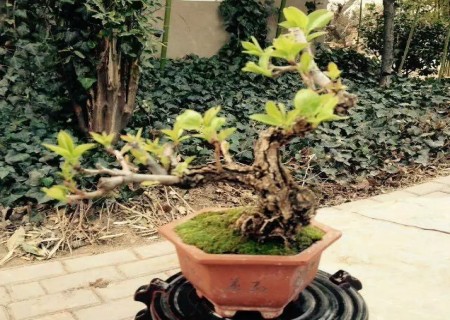
Detailed Explanation of the Making Methods and Steps of Tangli (Birchleaf Pear) Bonsai
When the green carp comes, I hear from afar the spring stream shattering sound by sound; I smell the light yellow buds first opening on the tangli I planted with my own hands. When Minor Heat quietly passes, the new pears gradually hang low, and I invite the neighbor girl from the east to gather fruit and stroll slowly home. Last year I gathered fine snow from the branch tips; today crimson pear leaves drift down, lightly kneading two or three strokes of grass color into the scroll, sipping spring wine and only then feeling its faint sweetness. Still it is the season for loving the two words "startled swan" as I drift into dreams
-
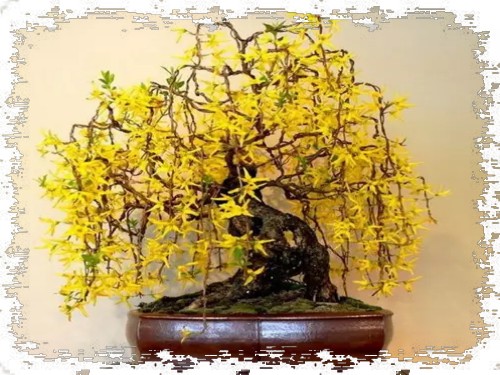
Sharing Penjing Making Methods and Practical Experience
We should seek simpler and easier operating methods within the basic procedures and rules. Everything has its own laws of evolution. Can we better grasp these laws? Can we scientifically and effectively change these laws in practice, making them easier for people to grasp and simplifying the concepts?
-
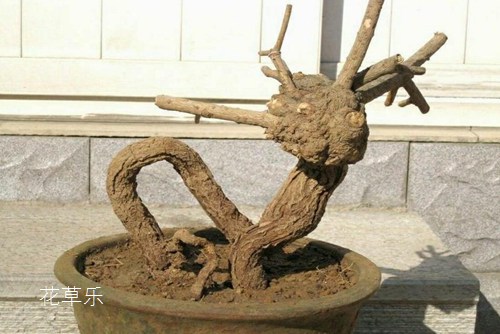
How to grow winter jasmine? Detailed introduction to bonsai-making methods
The winter jasmine (Jasminum nudiflorum) has elegant and beautiful flower colors, an extraordinary temperament, and it fears no cold, is not picky about soil and climate, and has strong adaptability. Among all flowers, winter jasmine blooms the earliest; its tender green branches sway in the wind, and its yellow buds burst into bloom, like little golden stars dotting the branches, truly endearing.
-
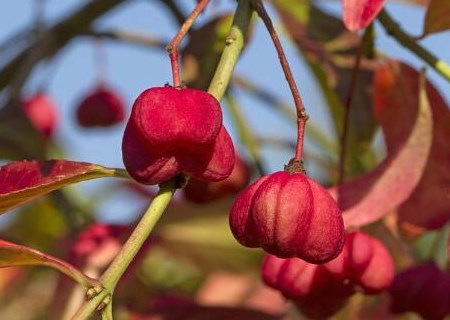
Bonsai Making and Care Methods for Euonymus of the Order Celastrales, Differences from Holly, and Its Effects
The winged branches of Euonymus are unique, its autumn leaves are brilliantly red and eye-catching, and the split fruits are also red, making it very beautiful. It can also be made into bonsai and is truly an excellent ornamental tree. So do you know what the bonsai making and care methods for Euonymus are? What is the difference from holly? What effects and functions does it have? Bonsai making and care methods for Euonymus
-

Detailed Explanation of Osmanthus Bonsai Making Methods and Techniques
Osmanthus bonsai making: Osmanthus is a traditional famous flower of our country. It can not only beautify the environment and adorn gardens, but is also deeply loved by people when used to make bonsai. Xianning is located in the mountainous area of southern Hubei and is the world-renowned "Hometown of Osmanthus". Osmanthus cultivation here has a long history and a great variety of cultivars. In recent years
-
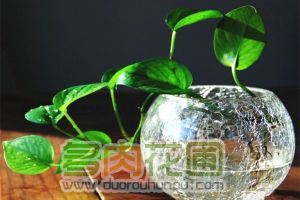
Detailed Guide to Making a Pothos Bonsai: Methods and Techniques
Pothos bonsai can be made in column, hanging and waterfall styles, briefly described below: (1) Column style. Use a small dragon jar, large flower saucer or oil basin filled with soil. In the middle, stand a wooden stick or bamboo pole about 1 m high and 5-6 cm in diameter. A pillar of the house can also be used. Tie palm bark or palm tree bark around the outside of the pole.
条件筛选