Sharing Penjing Making Methods and Practical Experience
We should seek simpler and easier operating methods within the basic procedures and rules. Everything has its own laws of evolution. Can we better grasp these laws? Can we scientifically and effectively change these laws in practice, making them easier for people to grasp, simplifying the concepts, and breaking through traditional limitations? This is precisely the subject that contemporary penjing practitioners need to study.
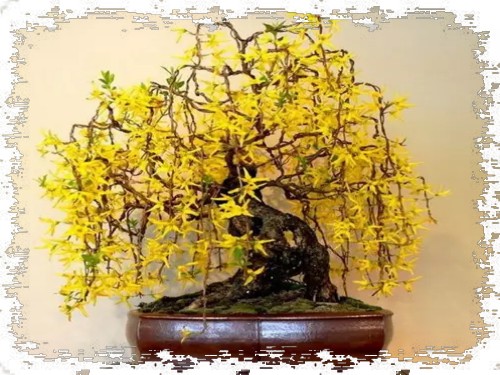
Of course, penjing is, after all, the art of stone and wood, constrained by its materials. Empty theorizing is of no benefit. In actual creation, besides a deep grasp of traditional Eastern culture and art, one should make full use of the characteristics of the materials to reveal as much spirituality as possible. Pure rock penjing seems somewhat similar to modern installation art; its production process involves more of material selection and combination, and its forms of expression are freer, except that it uses the language of traditional aesthetics.
In the making of tree-stump penjing, the limitations are even greater. The raw materials at hand often have many irreparable flaws, and the complicated branches make it hard to cut decisively. When I first pruned tree stumps, I relied only on my meager artistic sensibility, following the principles of simplicity and elegance, striving to achieve maximum simplicity and elegance without losing compositional balance (perhaps in the eyes of professionals it still does not count). Because the selected plant species, sizes, and individual plant differences vary greatly in reality, it is hard to say there are any specific rules to follow in the cultivation of tree penjing. More often, what is needed is something called "aesthetic feeling," which seems somewhat similar to the inspiration of some modern artists during creation.
Tree penjing cannot be completed in a single day's work. Compared with one-time intensive pruning, routine and frequent pruning is more important. Helplessly, these years I have always been wandering from place to place. Each time I return home, I find that the tree stumps pruned last time have become lush with branches and leaves again, so I have no choice but to do a round of intensive pruning. But made this way, it is hard to say how much aesthetic elegance the resulting penjing has. This is also a kind of helplessness.
The making of large tree-stump penjing often requires a long time, while correspondingly, small penjing are often easier to shape and form more quickly. I still remember that two years ago I found a small wild firethorn seedling by a mountain road, planted it in a small square pot, and made it into a distinctive little penjing with a touch of elegance. Helplessly, when I returned home this time, I found that I no longer had the chance to see it, let alone give it careful trimming again.
It must also be said that penjing making, like other arts, depends importantly on a peaceful mind. If you hold the mindset all day of how to sell it for a good price, you cannot do penjing well. If you want to find a shortcut to making money, it is best not to borrow the name of art. This is a rule that applies to every kind of art without exception.