-

What are the methods for identifying the macroscopic characteristics of Gastrodia elata and fake Gastrodia elata?
In recent years, similar plant tubers have often appeared on the market, passing off fake products as genuine and passing off fake products as genuine Gastrodia elata. In order to reduce mistakes and clean up the market, the macroscopic characteristics of several easily confused fake Gastrodia elata are introduced here: Gastrodia elata: "Parrot beak, concave navel, outside has ring spots and dried ginger skin, rosin-like cross-section must be remembered." This is the mnemonic for identifying true and false Gastrodia elata. In this mnemonic, the rosin-like cross-section is an important basis for judging the authenticity of Gastrodia elata. The dried tuber of authentic Gastrodia elata is long elliptical, often flattened, shrunken and curved, 6-13 cm long, 2-6 cm in diameter. One end has a residual stem base or a red-brown withered
-
Introduction to Tylosin (Tylan), a Commonly Used Macrolide Antibiotic in Duck Clinical Practice
Source and properties: This product is extracted from the culture broth of Streptomyces fradiae. It is a white crystalline substance, weakly alkaline, and slightly soluble in water. Its salts are readily soluble in water. Tylosin tartrate, tylosin hydrochloride, and tylosin phosphate are commonly used in clinical practice. Actions and uses: This product is an antibiotic specifically for livestock and poultry, with antibacterial activity against Gram-positive bacteria and some Gram-negative bacteria, such as Staphylococcus aureus, Streptococcus pyogenes, Mycoplasma, and Spirochetes, all of which it inhibits, and it is especially effective against Mycoplasma. However, its effect against Gram-positive bacteria is not
-
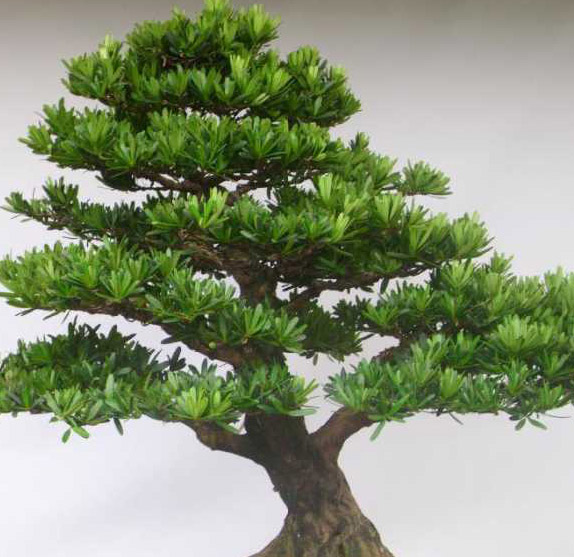
How to care for a potted Buddhist pine (Podocarpus macrophyllus) so it grows vigorously
The Buddhist pine is an evergreen shrub of the family Podocarpaceae. Its stems are upright and straight. In spring and autumn it sprouts new branches and leaves once each season; the internodes are dense and it produces many branches. The leaves are linear-lanceolate, glossy and dark green, alternate, and arranged in a spiral pattern as they grow. It likes warm, humid and semi-shaded environments, and prefers fertile, moist, well-drained soil.
-
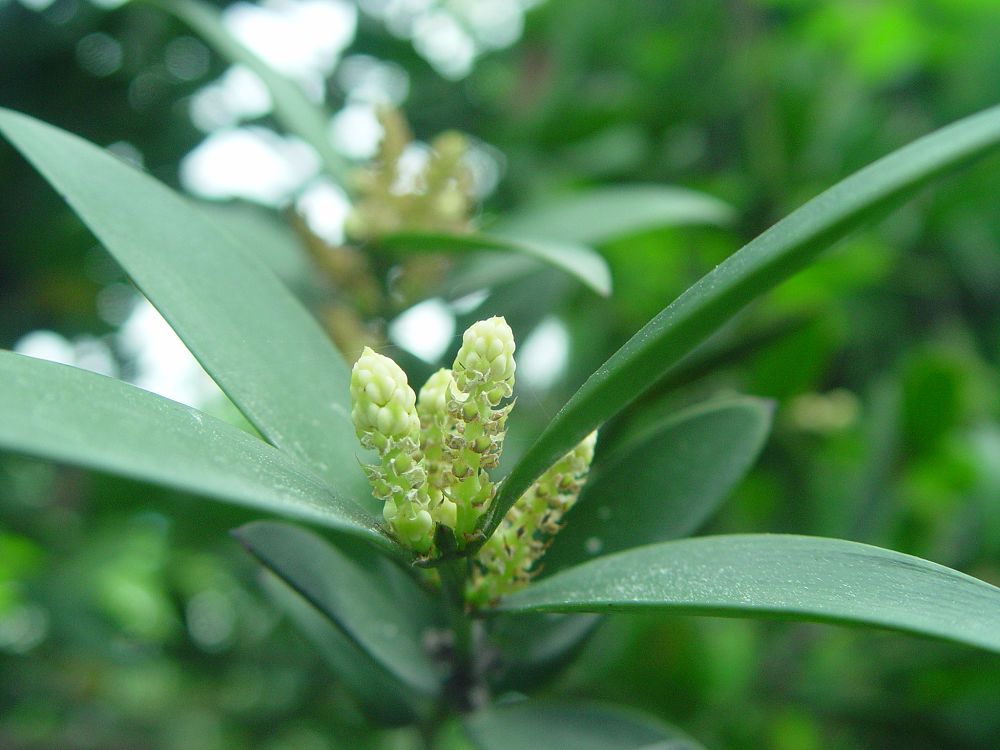
What are the pest and disease control methods for the Buddhist pine (Podocarpus macrophyllus)?
Pests: aphids, 50% pirimicarb 3000-5000 times dilution or 40% omethoate 1500-2000 times dilution; Buddhist pine scale insects, fenitrothion 2000 times dilution, 1605 at 1500 times dilution; leafminer
-
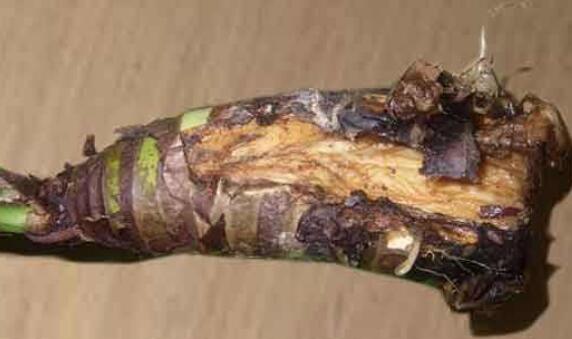
What to Do When Alocasia macrorrhizos (Giant Taro) Roots Rot? Detailed Care Methods
When growing Alocasia macrorrhizos, many plant lovers run into all sorts of problems, such as yellowing leaves, rotting leaves, and rotting roots, which are a real headache to look at. As for what to do when the leaves of Alocasia macrorrhizos turn yellow, that was already covered separately, so what do you do when Alocasia macrorrhizos roots rot? Actually, once you find the cause, it is quite easy to fix.
-

How to Grow Gentiana macrophylla? Detailed Planting Methods and Techniques
How to Grow Gentiana macrophylla
-
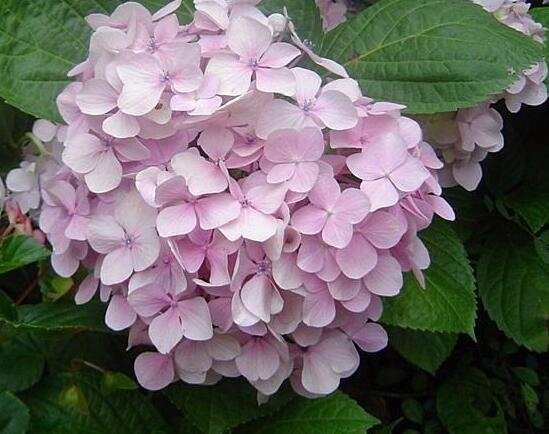
How to grow Hydrangea macrophylla? Cultivation methods and precautions, humidity is key
Hydrangea macrophylla, also known as hydrangea, is a very famous ornamental plant flower nowadays, so the hydrangea we usually see generally appears before us as a garden flower. So how do you grow the beautiful hydrangea? Below, we will introduce the cultivation methods and precautions for hydrangea.
-
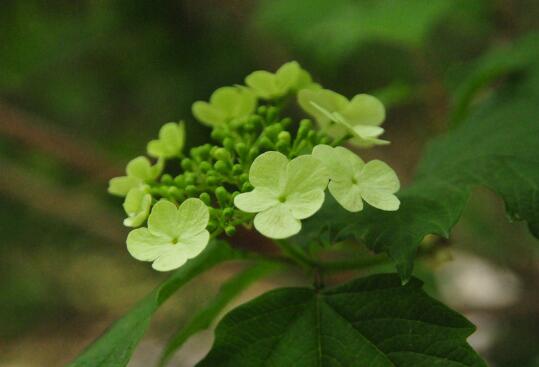
How to fertilize Viburnum macrocephalum? Light fertilization methods and precautions
Viburnum macrocephalum is a fairly common flowering plant in people's lives, with high ornamental value. However, if you want it to have ornamental value, then the cultivation process cannot be careless at all, especially in the aspect of fertilization. So how do you fertilize Viburnum macrocephalum? What are the fertilization methods and precautions for Viburnum macrocephalum
-
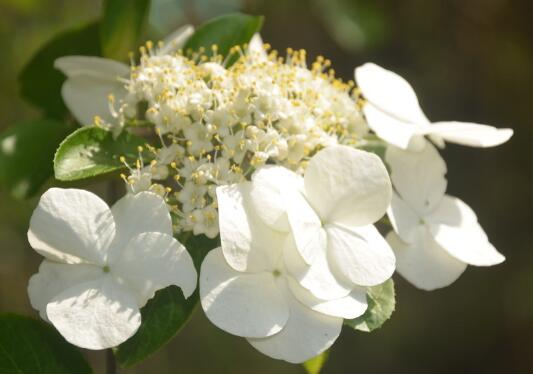
How to grow Viburnum macrocephalum? Detailed guide to cultivation methods and precautions for sufficient sunlight
Viburnum macrocephalum is a famous flower unique to China, and is the city flower of Yangzhou, Jiangsu Province. It enjoys the reputation of "only Yangzhou has this flower, none alike in all the world." Many people in the Yangzhou area grow it, but there are many things to pay attention to when cultivating it. How do you grow Viburnum macrocephalum? What are the cultivation methods and precautions for Viburnum macrocephalum?
-
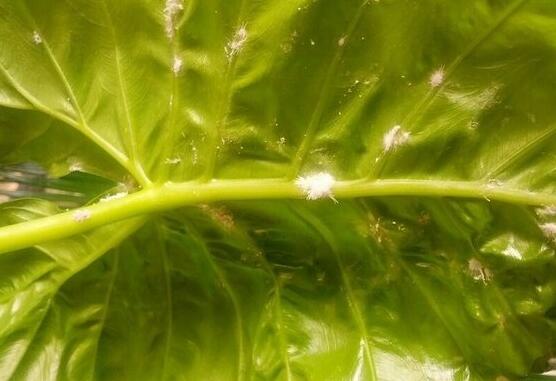
What to Do When Alocasia macrorrhizos Gets Bugs? Pest and Disease Control Methods
Alocasia macrorrhizos, with its large, emerald-green leaves, is a sun-loving houseplant. As flower enthusiasts, I believe everyone is already quite familiar with how to grow Alocasia macrorrhizos. However, during the growing process, improper cultivation or careless maintenance can inevitably lead to pests and diseases. So what should you do when Alocasia macrorrhizos gets bugs?
条件筛选