-
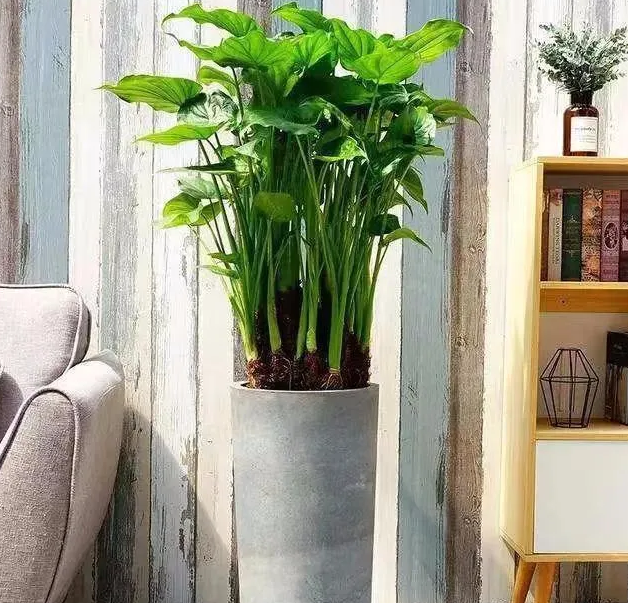
Is the Alocasia macrorrhiza poisonous?
Alocasia macrorrhiza, a common indoor foliage plant, is loved by many families for its unique form and good air purification effect. However, before
-

What are the morphological characteristics of Cinnamomum macrophyllum, and how does it differ from Cinnamomum camphora?
Morphological characteristics of Cinnamomum macrophyllum: what are the differences between Cinnamomum macrophyllum and Cinnamomum camphora
-
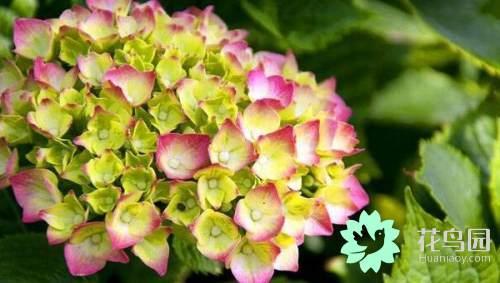
Is hydrangea (Hydrangea macrophylla) poisonous, and can it be kept safely at home?
Hydrangea has large, thick leaves, a flower shape like a hydrangea ball, and flowers in many colors that delight the eye. But does its beautiful appearance hide a toxin? The editor will answer this question right now! The whole plant is poisonous. How could such a beautiful hydrangea be non-toxic? Here the editor...
-
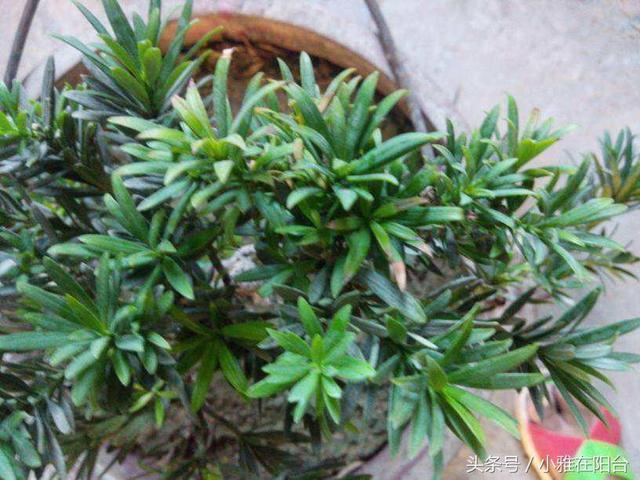
What to do when the leaves of the Buddhist pine (Podocarpus macrophyllus) wither? Use this little method and new leaves will sprout in half a month
If you have a spacious balcony or a small yard, keeping a few pots of bonsai plants and flowers is quite pleasing to the eye, and a life of tending flowers and plants is full of joy. Buddhist pine (Podocarpus macrophyllus) is a bonsai plant we often grow; its branches stand upright and it is verdant and beautiful, loved by many flower...
-

Key Technical Points for Monoculture of Giant Freshwater Prawn (Macrobrachium rosenbergii) in Ponds
Techniques for Monoculture of Giant Freshwater Prawn in Ponds
-
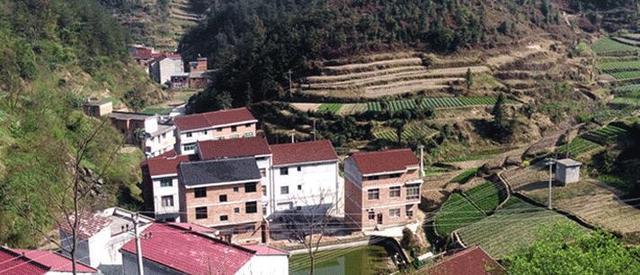
What are the technical requirements for standardized cultivation of Atractylodes macrocephala
Technical requirements for standardized cultivation of Atractylodes macrocephala 1 Growth and development characteristics Atractylodes macrocephala must be grown for 2 years before the commercial product can be harvested. In the 1st year, seeds are used to cultivate seedling rhizomes, and in the 2nd year they are planted in the field to harvest the commercial product. Atractylodes macrocephala seeds begin to germinate above 15 °C, with 25-3...
-
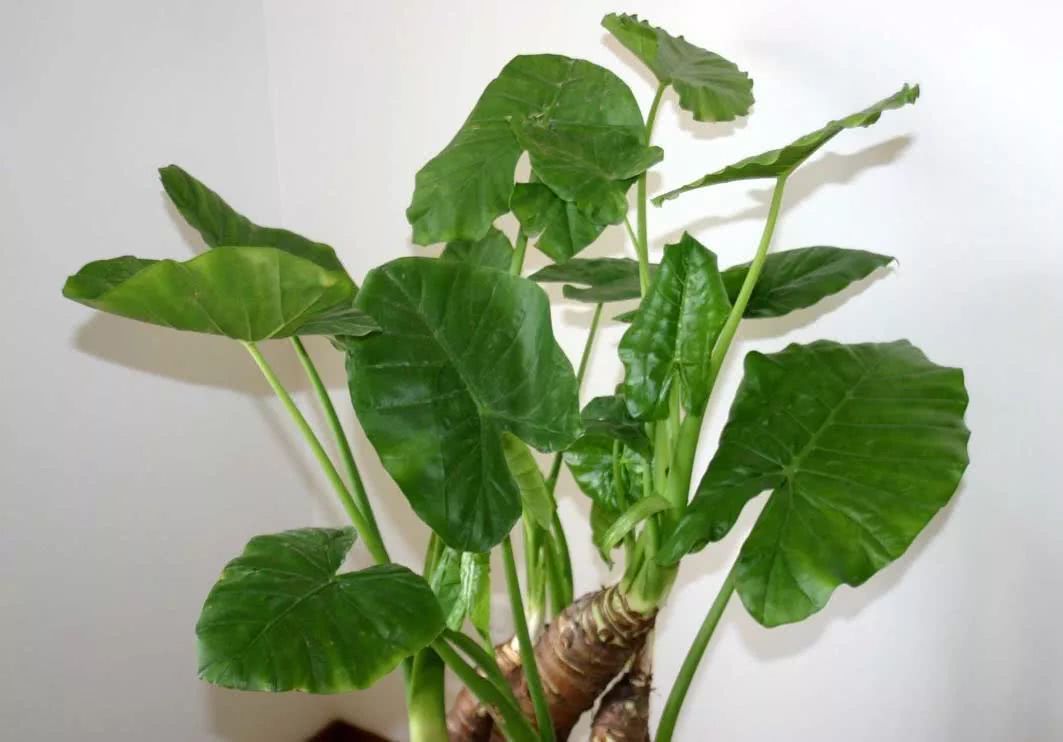
Tired of growing Alocasia macrorrhizos in soil? Try hydroponics
Alocasia macrorrhizos, also called giant taro. Because its leaves are covered with "stomata" and "water pores", when the outside temperature is higher and the humidity is greater, the water expelled from the water pores gathers at the leaf tips or edges of the Alocasia macrorrhizos leaves, thus forming...
-
What are the pest and disease control methods for Alocasia macrorrhizos?
The most common pests and diseases of Alocasia macrorrhizos are red spider mites and aphids. The symptoms are yellowing leaves, white spots on the surface, a weak and spindly plant, and webbing on the leaves. For treatment, you can wipe the leaves with a cloth dipped in mild soapy water, cleaning both the underside and the top, then rinse with clean water. For large pots, you can use a spray bottle to clean them.
-
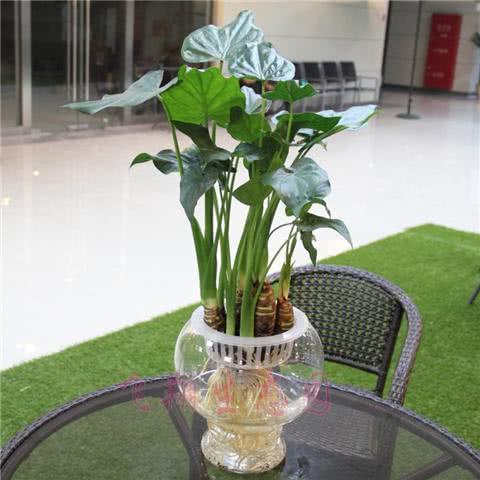
Water culture tips for Alocasia macrorrhizos (giant taro): thick stems, growing tall with age
Many people know how to grow water-cultured green plants; they are clean, easy to manage, and also look great. Below are tips for water culture of Alocasia macrorrhizos. Water culture tips for Alocasia macrorrhizos (1). When first water-culturing Alocasia macrorrhizos, carefully wash the roots, cut off...
-
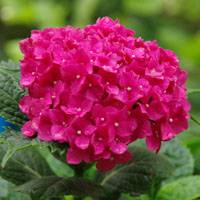
In what environment does Hydrangea macrophylla grow best?
Hydrangea macrophylla is a woody perennial plant in the Saxifragaceae family, native to China and Japan, and is now also widely planted in European countries such as Germany, France and the Netherlands.
条件筛选