What are the pest and disease control methods for the Buddhist pine (Podocarpus macrophyllus)?
Pests:
Aphids, 50% pirimicarb 3000-5000 times dilution or 40% omethoate 1500-2000 times dilution
Buddhist pine scale insects, fenitrothion 2000 times dilution, 1605 at 1500 times dilution
Leafminer, dichlorvos or fenitrothion 1000—1500 times dilution or 90% trichlorfon 1500 times dilution
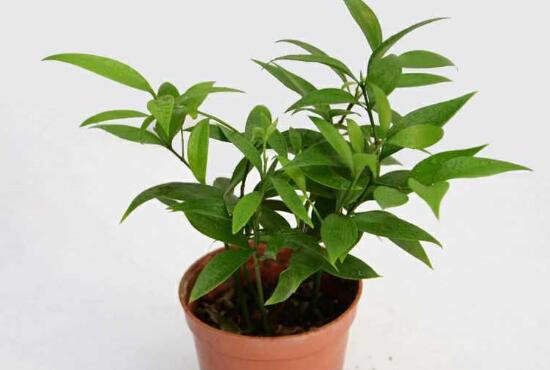
Although the Buddhist pine is easy to grow, it is prone to pests and diseases, and the damage is severe, so once discovered, timely control should be carried out. Among them, the common pests and diseases of the Buddhist pine include black spot, powdery mildew, anthracnose, aphids, scale insects, leafminers, etc., all of which will seriously affect the ornamental value of the plant. As for what to do when the Buddhist pine gets bugs, everyone should first identify the pest or disease, then carry out targeted spraying for control.
II. Control of common pests and diseases of the Buddhist pine
1. Aphids
As an ornamental plant, the cultivation method of the Buddhist pine is not difficult, but not difficult does not mean it is easy to grow, because if there is even a slight mistake in care, it is prone to attack by aphids. This insect mainly parasitizes on the leaves, sucking sap, causing the leaves of the Buddhist pine to turn yellow, and in severe cases it can fade the flowers and make them wither quickly.
Control method: After discovering aphids, if the number is very small, manual aphid control can be adopted, using a brush or small brush to brush off the aphids and bury them in the potting soil; when there are many aphids, 50% pirimicarb 3000-5000 times dilution or 40% omethoate 1500-2000 times dilution can be sprayed for control, with particularly good results.
2. Scale insects
Scale insects harm almost all indoor potted plants, and when the Buddhist pine gets bugs, this is the most common one. These insects often gather in groups on branches, leaves and fruits, inserting their mouthparts into the leaf and branch tissues of the Buddhist pine to suck sap, causing the leaves to wilt and inducing sooty mold, with very great harm.
Control method: When there are few scale insects, gently brush them off with a soft brush or wipe them away clean with a cotton ball; when there are many scale insects, fenitrothion 2000 times dilution or 1605 at 1500 times dilution can be selected for spraying, once every 7-10 days, for 2-3 consecutive times, which can effectively prevent the harm of scale insects.
3. Leafminer
When it comes to the Buddhist pine getting bugs, besides aphids and scale insects, it may also be leafminers. This insect mainly feeds on leaves, causing just a few small holes in the leaves of the Buddhist pine in mild cases, and in severe cases the leaves take on the appearance of a net of threads.
Control method: When the above symptoms are found, dichlorvos or fenitrothion 1000-1500 times dilution or 90% trichlorfon 1500 times dilution can be sprayed for control; in order to avoid the development of pesticide resistance, alternate the medications and spray them in rotation.
4. Black spot
Besides getting bugs, if care is improper, the Buddhist pine can also get diseases, and the most common disease among them is black spot. This disease mainly attacks leaves, petioles and young shoots, causing dark brown lesions on the leaves, which not only harms health but also affects appearance.
Control method: This disease occurs mostly in June, so everyone should observe more, and when the above symptoms are found, promptly spray 40% carbendazim 800 times dilution or 65% zineb 400-500 times dilution for control.
5. Powdery mildew
Powdery mildew is another disease of the Buddhist pine, mainly harming the leaves, young stems, flower buds and buds. After contracting this disease, many white powdery lesions appear on the leaves of the Buddhist pine; these lesions greatly affect its photosynthesis, and over time can even lead to the death of the plant.
Control method: Promptly prune off severely diseased plants or severely diseased parts and burn them in a concentrated manner to reduce the source of the disease; in the early stage of the disease, 50% carbendazim wettable powder 1000-1500 times dilution or 75% chlorothalonil 500 solution can be sprayed for control, with better results when alternated.
6. Anthracnose
In hot and humid seasons, especially in the high-temperature, humid plum rain season, when nitrogen fertilizer is applied excessively, the Buddhist pine is prone to anthracnose. This disease causes small brown spots to appear on the leaves of the Buddhist pine, which then expand into round or elliptical shapes, and in severe cases the entire plant is damaged.
Control method: After discovering that the plant has contracted anthracnose, 70% thiophanate-methyl wettable powder 1000 times dilution, or 70% thiophanate-methyl, can be sprayed for control. In addition, in the hot summer, when the Buddhist pine is kept indoors, windows should be opened more for ventilation to reduce the indoor air temperature and humidity.
Overall, the Buddhist pine has very powerful benefits and is very easy to grow, making it very suitable for keeping indoors. But once management is neglected, it will be targeted by pests and diseases, thereby seriously affecting its ornamental value. So for the health of the Buddhist pine, everyone must take careful care of it. That is all from the editor on the pest and disease control of the Buddhist pine, and I hope it can be of help to everyone.
Common pest control techniques for the Buddhist pine
Buddhist pineBecause of its peculiar leaf shape, it stays verdant all year round; its trunk is straight, its tree form is graceful, its leaves are lush and its shade is dense, and it has strong resistance to pests and diseases. But strong resistance to pests and diseases does not mean that the Buddhist pine will not suffer from pests and diseases!
The common pests of the Buddhist pine are:
1. Aphids:50% pirimicarb 3000-5000 times dilution or 40% omethoate 1500-2000 times dilution;
2. Scale insects:Fenitrothion 2000 times dilution, 1605 at 1500 times dilution;
3. Leafminer:Dichlorvos or fenitrothion 1000—1500 times dilution or 90% trichlorfon 1500 times dilution.