What to Do When Alocasia macrorrhizos (Giant Taro) Roots Rot? Detailed Care Methods
When growing Alocasia macrorrhizos, many plant lovers run into all sorts of problems, such as yellowing leaves, rotting leaves, and rotting roots, which are a real headache to look at. As for what to do when the leaves of Alocasia macrorrhizos turn yellow, that was already covered separately, so what do you do when Alocasia macrorrhizos roots rot? Actually, once you find the cause, it is quite easy to fix. If plant lovers do not want this situation to happen, they must master the care methods for Alocasia macrorrhizos.
I. What to Do When Alocasia macrorrhizos Roots Rot
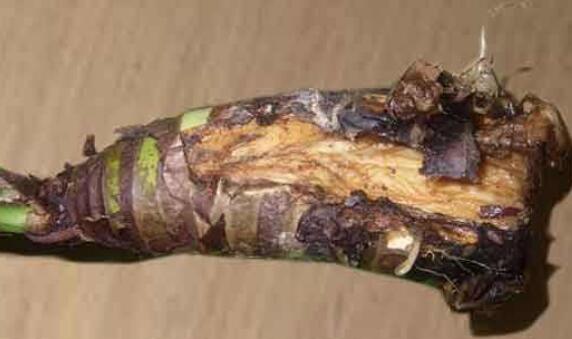
The growing methods for Alocasia macrorrhizos can be divided into soil culture and water culture, and it survives easily with either method. However, if you are not careful when growing Alocasia macrorrhizos, root rot will occur. As for what to do when Alocasia macrorrhizos roots rot, it is simple: find the cause, then fix it.
1. Causes of Root Rot in Alocasia macrorrhizos and Solutions
① Root rot in soil-cultured Alocasia macrorrhizos
This is mainly caused by the potting soil being too wet. When the potting soil is too wet, the rhizomes of Alocasia macrorrhizos very easily rot. The reason the potting soil becomes too wet may be that you watered too much, causing water to accumulate in the pot, or that the soil is highly clayey and poorly aerated, so it easily holds water on its own.
Solution: Pull up the Alocasia macrorrhizos, cut off the rotten roots, and also cut away a bit of the healthy tissue near the rotten parts, making sure everything left is white. After cutting the roots, let it dry, and once the wounds have healed, plant it in well-drained, fertile, slightly acidic soil. You can also apply some plant ash to the wounds to disinfect and sterilize them.
② Root rot in water-cultured Alocasia macrorrhizos
For water-cultured Alocasia macrorrhizos, root rot is a very common phenomenon, mainly because the stem tissue of Alocasia macrorrhizos is fairly loose; if the water quality is very poor, it can cause root rot and stem rot.
Solution: Cut away the rotten part of the roots, wash the slime off the tubers and roots, and change the water or nutrient solution. When growing it, be careful to keep the water in the bottle clean.
Note: The sap of Alocasia macrorrhizos is toxic, so wear rubber gloves when cutting the roots to avoid poisoning yourself. After planting Alocasia macrorrhizos in soil, remember to water only after it has dried out, and do not water when it is not dry. Also, keep it in a ventilated spot.
II. Care Methods for Alocasia macrorrhizos
Just knowing how to grow Alocasia macrorrhizos is far from enough, because besides normal growing, making Alocasia macrorrhizos look beautiful requires careful care from plant lovers. Based on the lifestyle of Alocasia macrorrhizos, we know it reacts strongly to temperature, so what we need to understand next is summer care for Alocasia macrorrhizos and winter care for Alocasia macrorrhizos.
1. Summer Care for Alocasia macrorrhizos
① Environment
Light: Alocasia macrorrhizos is afraid of strong light and can tolerate shade, so in summer it should be placed indoors in a ventilated spot without direct sunlight for care.
Temperature: In summer the temperature is too high, which may have a bad effect on the growth of Alocasia macrorrhizos, so it needs ventilation to cool down, and water should be sprinkled around the plant and on the leaves, which can increase air humidity and lower the temperature. In addition, spraying water also helps clean the leaves.
② Water and fertilizer
Watering: As mentioned earlier, in summer you need to increase spraying and water in time. But be careful not to water too much, since too much will make the soil overly wet and cause the rhizomes to rot. When watering, it is best to let it alternate between dry and wet, with no standing water.
Fertilizing: In summer, Alocasia macrorrhizos still grows very quickly, so it needs the support of plenty of nutrients. At this time, fertilize more, applying a topdressing of decomposed fertilizer water once every half month, to avoid bare, empty lower parts and yellow leaves. In addition, you can water Alocasia macrorrhizos with ferrous sulfate solution about once every 20 days, so its leaves grow well.
2. Winter Care for Alocasia macrorrhizos
Alocasia macrorrhizos likes a warm, humid, and slightly shaded environment, but during the flowering period it needs plenty of sunlight, otherwise the spathe will carry a green color, affecting quality. It needs 3-5 hours of light per day, otherwise the leaf stalks will elongate and reduce its ornamental value. Alocasia macrorrhizos is not very cold-hardy, and in mid-October it must be transplanted into a greenhouse. In summer it needs shade, with frequent water spraying to cool down and keep in moisture.
Actually, Alocasia macrorrhizos does not die very easily in summer and winter; it is just that sometimes during growing, too much watering or too low a temperature causes its rhizomes to rot and die, so plant lovers must be careful. The above is all the content on what to do when Alocasia macrorrhizos roots rot and the care methods for Alocasia macrorrhizos. We hope it helps everyone.
What to Do When Alocasia macrorrhizos Roots Rot: Treatment Methods for Alocasia macrorrhizos Root Rot
Alocasia macrorrhizos is one of the flowering plants people most like to grow, but during growing, root rot often occurs, and in severe cases it can even kill the plant, so what should you do when Alocasia macrorrhizos roots rot? In a moment I will write out the treatment methods for Alocasia macrorrhizos root rot, and friends who need them can learn from them.
What to Do When Alocasia macrorrhizos Roots Rot: Treatment Methods for Alocasia macrorrhizos Root Rot1. Control moisture
There are many causes of root rot in Alocasia macrorrhizos, and overwatering is one of the important ones. Although Alocasia macrorrhizos is a plant that likes water, when growing it you must still pay attention to the water supply and not let water accumulate in the flowerpot, otherwise it will cause root rot, so controlling the water supply in normal times is a good way to prevent root rot in Alocasia macrorrhizos.
2. Disinfect the soil
When growing Alocasia macrorrhizos, pests and diseases can also trigger root rot. When the situation is not too serious, you can disinfect the potting soil in time. The simplest disinfection method is to drip some essential balm around the flowerpot, then water after one day, which can let the rotten roots of Alocasia macrorrhizos slowly recover.
3. Treatment methods for Alocasia macrorrhizos root rot
If the root rot of Alocasia macrorrhizos is fairly serious, take it out of the soil, then remove the rotten roots, soak it in potassium permanganate solution, and after one day take it out and insert it into plain sand. After the rotten roots have fully recovered, prepare new potting soil and transplant the Alocasia macrorrhizos into it.
What to Do When Alocasia macrorrhizos Roots Rot: Growing Methods for Alocasia macrorrhizos
The growing methods for Alocasia macrorrhizos can be divided into two types, soil culture and water culture, and it survives easily with either method, but if you are not careful when growing Alocasia macrorrhizos, problems like root rot will still occur. So what do you do when Alocasia macrorrhizos roots rot? Next, the editor will introduce to you the causes of Alocasia macrorrhizos root rot and the solutions!
Causes of Root Rot in Alocasia macrorrhizos
1. Root rot in soil-cultured Alocasia macrorrhizos is mainly caused by the potting soil being too wet. When the potting soil is too wet, the rhizomes of Alocasia macrorrhizos very easily rot. The reason the potting soil becomes too wet may be that you watered too much, causing water to accumulate in the pot, or that the soil is highly clayey and poorly aerated, so it easily holds water on its own.
2. Root rot in water-cultured Alocasia macrorrhizos occurs frequently mainly because the stem tissue of Alocasia macrorrhizos is fairly loose; if the water quality is very poor, it can cause root rot and stem rot. Also, for hydroponic Alocasia macrorrhizos, do not put the rhizome in the water; put the roots in the water instead. In addition, leave some of the roots exposed so they can contact the air, which helps the roots breathe. With the rhizome of Alocasia macrorrhizos outside and half of the grown roots in the water and half in the air, this is good for root respiration.
What to Do When Alocasia macrorrhizos Roots Rot
1. Solution for root rot in soil-cultured Alocasia macrorrhizos: Pull up the Alocasia macrorrhizos, cut off the rotten roots, and also cut away a bit of the healthy tissue near the rotten parts, making sure everything left is white. After cutting the roots, let it dry, and once the wounds have healed, plant it in well-drained, fertile, slightly acidic soil. You can also apply some plant ash to the wounds to disinfect and sterilize them. Note that the sap of Alocasia macrorrhizos is toxic, so wear rubber gloves when cutting the roots to avoid poisoning yourself. After planting Alocasia macrorrhizos in soil, remember to water only after it has dried out, and do not water when it is not dry. Also, keep it in a ventilated spot.
2. Solution for root rot in hydroponic Alocasia macrorrhizos: Cut away the rotten part of the roots, wash the slime off the tubers and roots, and change the water or nutrient solution; when growing it, be careful to keep the water in the bottle clean. You can also first grow it in soil, and after the plant returns to normal (has rooted), then grow it in water.