-
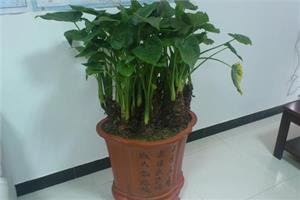
How to grow Alocasia macrorrhizos (giant taro) and how to fix yellowing leaves
How to grow Alocasia macrorrhizos: what to do when its leaves turn yellow
-

How can yields be increased during freshwater shrimp (Macrobrachium nipponense) farming?
Question: How can freshwater shrimp yields be increased?
-
A detailed guide to growing Alocasia (Alocasia macrorrhizos), also known as the giant taro
Alocasia can only grow well in an environment no lower than 18°C. If the temperature drops below 18°C, the Alocasia will enter a dormant state and stop growing. Alocasia is not very cold-hardy, ...
-
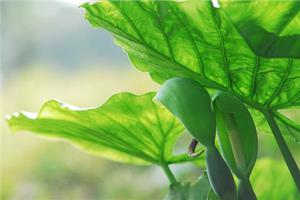
How to Grow Alocasia macrorrhizos and Precautions for Alocasia macrorrhizos
How to Grow Alocasia macrorrhizos and Precautions for Alocasia macrorrhizos
-
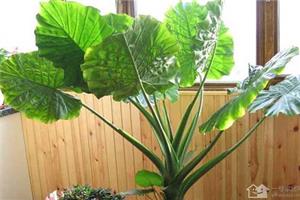
How to grow Alocasia macrorrhizos in water? Master 8 key points to keep it vigorous
8 key points for growing Alocasia macrorrhizos in water to produce a vigorous plant
-
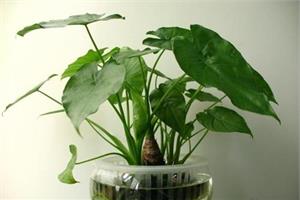
How to Grow Alocasia macrorrhizos: Bring Vitality to Your Home Environment
How to Grow Alocasia macrorrhizos: Bring Vitality to Your Home Environment
-
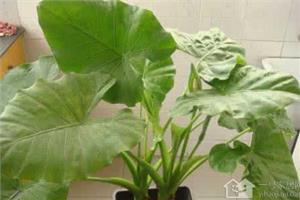
Is the Drip Guanyin (Alocasia macrorrhizos, giant taro) poisonous? Understanding its flower meaning in one article
Is the Drip Guanyin flower poisonous? What is the flower meaning of the Drip Guanyin flower
-
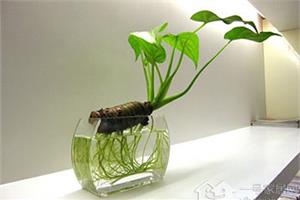
Clever Tips for Hydroponic Alocasia macrorrhizos: Just Do These 3 Things
Clever Tips for Hydroponic Alocasia macrorrhizos: Just Do These 3 Things
-
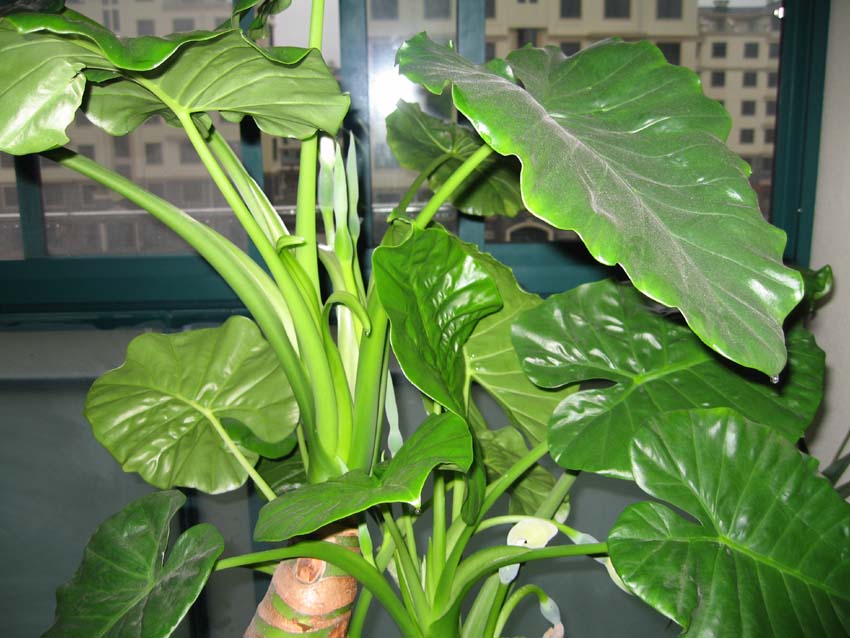
How to Grow Alocasia macrorrhizos (Giant Taro)? Detailed Guide to Cultivation Methods and Precautions
Alocasia macrorrhizos is a plant that likes warm, humid and slightly shaded environments, but during its flowering period it needs to be ensured sufficient sunlight, otherwise its spathe will take on a green color, thereby affecting its quality. For Alocasia macrorrhizos, it must be ensured 3-5 hours of light per day
-
How to Fix Yellow Leaves and Root Rot in Alocasia (Dumb Cane): A Detailed Guide to Growing Methods and Precautions
How do you grow Alocasia macrorrhizos? This article covers its light and temperature needs, watering and fertilizing, water culture steps, and the causes of and solutions for yellowing leaves, and reminds you that its sap is toxic, so caution is needed when growing it in homes with children or pets.
条件筛选