-

How to grow Alocasia macrorrhizos so it blooms? Detailed guide to growing methods
1. Temperature: Alocasia macrorrhizos likes warmth, with an optimum growing temperature of 20-25°C and a wintering temperature of 10-15°C. It can only grow well at a temperature not lower than 20 degrees. If the temperature is below 15 degrees, Alocasia macrorrhizos will enter a dormant state, which will cause it to stop growing
-
What should be noted when growing Alocasia macrorrhizos (giant taro)
Stems The stem tissue of Alocasia macrorrhizos is fairly loose; if the water quality is poor, it is easily contaminated, which can cause root rot and stem rot. Therefore, the water in the vase must be kept clean. At the same time, when changing the water and the culture solution, the slime on the tubers and roots should also be washed off, and the rotten roots should be trimmed away. Temperature Alocasia macrorrhizos is a very common green houseplant
-
How to grow Alocasia macrorrhizos well? Keep these cultivation tips in mind
Alocasia macrorrhizos is a common houseplant. Its stem tissue is fairly loose, and it has certain requirements for cultivation temperature and humidity. Normally, as long as we water and fertilize it properly, we can definitely grow a lush potted plant. However, people often find that Alocasia macrorrhizos develops yellowing. What exactly is going on? Let us take a look together now.
-
Detailed Guide to Growing Alocasia macrorrhizos from Seed
When the fruit ripens in autumn, collect the orange-red seeds and sow them immediately, or dry and store them to sow after spring the following year
-
Detailed Guide to Propagating Alocasia macrorrhizos by Cuttings
1. Cutting time: For Alocasia macrorrhizos, trunk cuttings can be done in spring, summer, or autumn. 2. Cut the trunk at about 5 cm above the soil surface at the base of the plant. 3. The cut old stem can be cut into segments about 15 cm long, left in a shaded place to air-dry for half a day, and then inserted into sandy loam for cultivation. 4. During the cultivation of the old plant
-
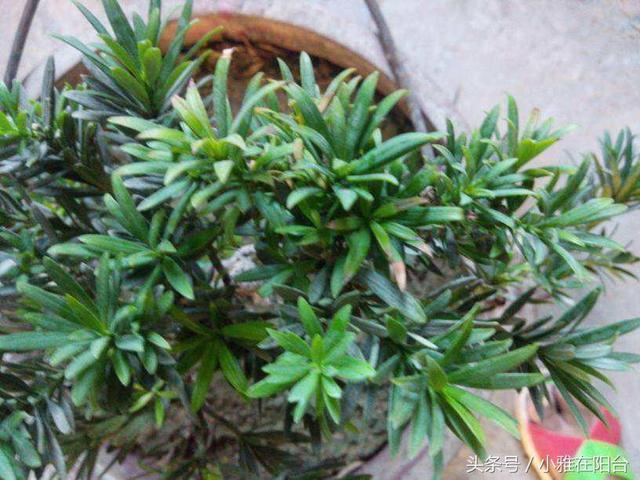
What to do when the leaves of the Buddhist pine (Podocarpus macrophyllus) wither? Use this little method and new leaves will sprout in half a month
If you have a spacious balcony or a small yard, keeping a few pots of bonsai plants and flowers is quite pleasing to the eye, and a life of tending flowers and plants is full of joy. Buddhist pine (Podocarpus macrophyllus) is a bonsai plant we often grow; its branches stand upright and it is verdant and beautiful, loved by many flower...
-

How to Grow Alocasia macrorrhizos (Giant Taro)? A Detailed Guide to Care Essentials and Precautions
Alocasia macrorrhizos is a common plant in our daily lives. Its attractive appearance and ease of care make it a favorite among many plant enthusiasts. Below, the editor will tell you about the care essentials and precautions for Alocasia macrorrhizos.
-
Detailed Guide to Caring for Alocasia macrorrhizos and Points to Note
Alocasia macrorrhizos is a plant that likes warm, humid and slightly shaded environments, but during its flowering period it requires sufficient sunlight, otherwise its spathe will take on a green color, thus affecting its quality. For Alocasia macrorrhizos, it is essential to ensure 3-5 hours of light per day
-
A Detailed Guide to the Benefits and Growing Methods of Alocasia macrorrhizos
The Benefits of Alocasia macrorrhizos and Its Growing Methods
-
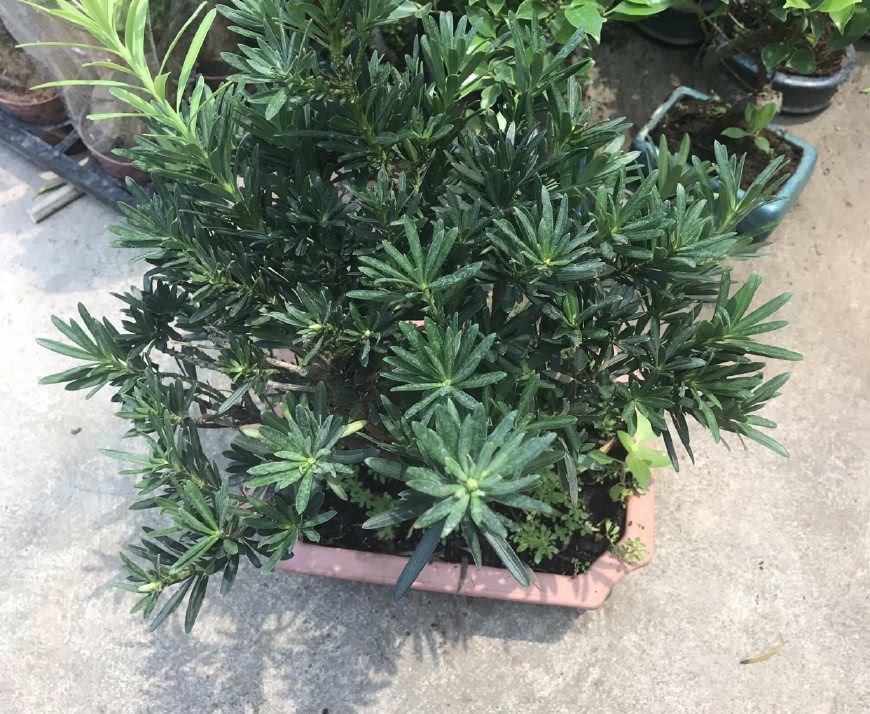
Keep one little trick in mind when growing Buddhist pine (Podocarpus macrophyllus) and it will grow with lush branches and leaves, a straight and upright trunk, and glossy green foliage all year round.
Buddhist pine is an evergreen tree with particularly dense branches and leaves, an elegant form, and evergreen foliage all year round. Grown outdoors it can reach over ten meters, and it gives a feeling of thriving vitality, making it very suitable for pot cultivation and appreciation. However, growing Buddhist pine requires attention to a few little...
条件筛选