-
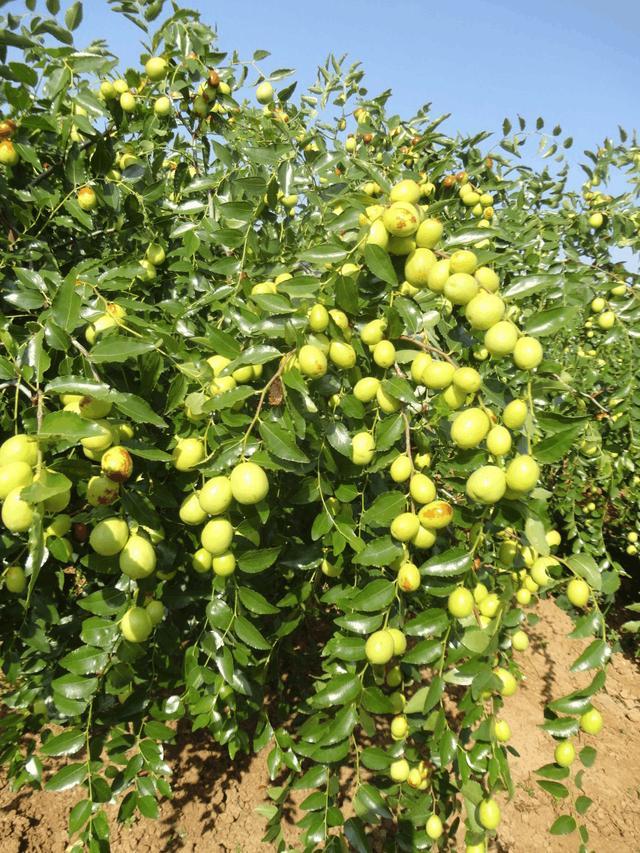
Analysis of the Ecological and Climatic Impacts on Jujube Trees During the Fruit Ripening Period
Funding project: Xinjiang Uygur Autonomous Region Meteorological Bureau Science and Technology Research General Project (MS201521). Aral City is located in the upper reaches of the Tarim River, along both banks of the Tarim River there are 10 large state-owned agricultural reclamation farms and units such as Tokay Township of Aksu City, Xinjiang, with a total area of 4,196 km2.
-

The value of genetically modified technology should not be underestimated; scientific and technological progress drives social development
The topic of genetically modified organisms seems to have never died down in recent years. Science for Agriculture believes that genetically modified technology is just a tool, and how it is used and how much value it can deliver depends on how humans harness it. In this respect, it is...
-

Basic morphological characteristics and representative species of 9 common genera of Bromeliaceae
What are the common varieties of Bromeliaceae plants? Basic morphological characteristics and representative species of 9 common genera. Many members of the Bromeliaceae live perched on the branches of large trees, such as the species of the genus Tillandsia. The fruit of this genus splits open when ripe...
-
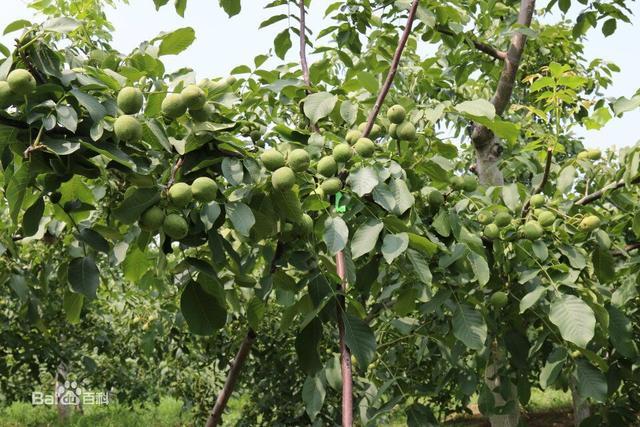
Morphological and Biological Characteristics of Chuan Walnut in Hezhang County and Techniques for Flower and Fruit Retention
Morphological and Biological Characteristics of Chuan Walnut in Hezhang County and Techniques for Flower and Fruit Retention 1 Morphological and Biological Characteristics of 1 Chuan Walnut Tree in Hezhang County The investigated Chuan walnut tree is located in Luobuga Village, Caishen Town, Hezhang County, with a tree age of 70 years, diameter at breast height of 54 cm, tree...
-
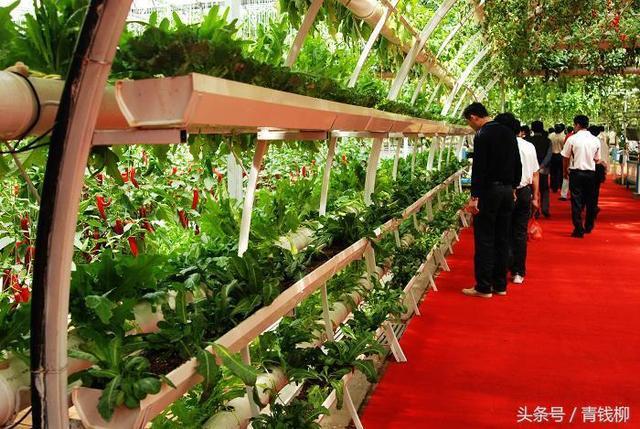
What are the characteristics of organic ecological soilless cultivation?
Characteristics of organic ecological soilless cultivation The organic ecological soilless cultivation technique has the characteristics of general soilless cultivation, such as: increasing crop yield and quality, reducing pesticide use, clean and hygienic products, saving water, fertilizer and labor, and using non-arable...
-
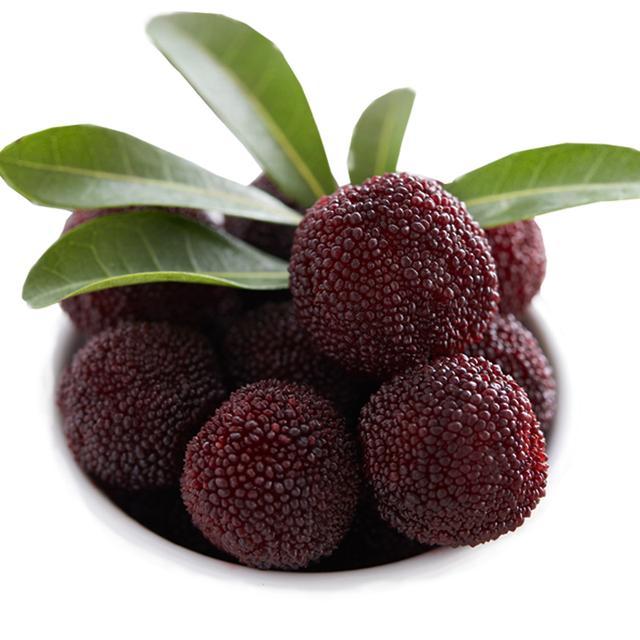
How to ecologically cultivate water chestnut bayberry? Technical details from Nanlian Village
Ecological Cultivation Techniques for "Ciji" Bayberry in Nanlian Village In Nanlian rural area, a batch of exceptionally large water chestnut-type bayberries was once selected and bred, and the locals named them "Ciji" (meaning the water chestnut-type bayberry of Cicheng, homophonous with "Cixi"), ...
-
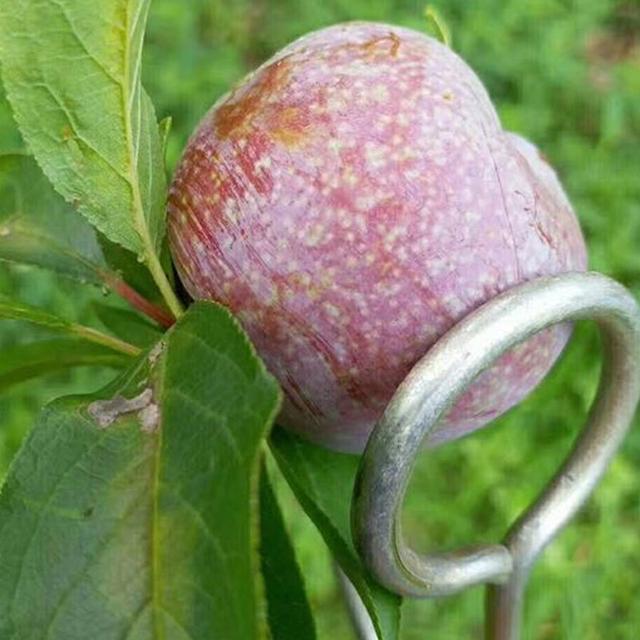
A detailed explanation of the morphological characteristics, occurrence patterns and key control techniques of the Shanhua plum longhorn beetle
Morphological characteristics, occurrence patterns and key control techniques of the Shanhua plum longhorn beetle 1 Morphological characteristics 1.1 Adult The body is long and cylindrical, with the front end of the body expanded into a round shape, resembling a head; the head is flexible, the back is slightly flattened, and there is a pair of exceptionally long antennae, the antennae...
-
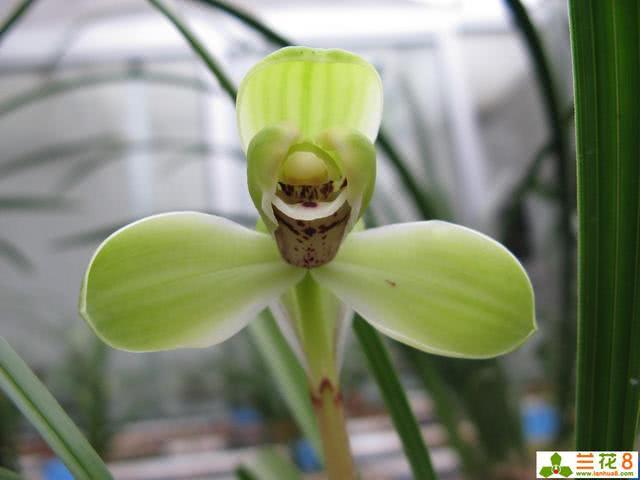
Teaching and Analysis of the Morphological Characteristics of Orchid Plum-Petal Flowers
From ancient times to the present, in the course of its continuous development and evolution, Chinese orchid appreciation has gradually established a theoretical system that takes petal type, flower color, leaf type, and leaf color as the main criteria for evaluation. This theory is an established convention rather than...
-
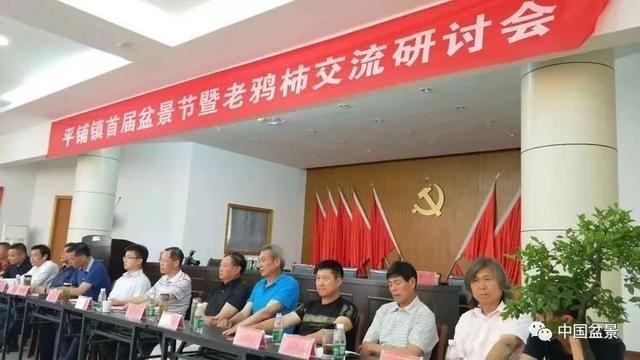
Lush Greenery Fills the Hundred Crow Garden, the Ecological Landscape Is as Beautiful as a Painting
▲The conference site. Lush greenery fills the Crow Garden - Pingshi Town, Wuhu City, Anhui Province holds the First Bonsai Festival and Chinese Persimmon Technique Exchange Event. Photos and text by Zhang Xiaoping (Wuhu City Activity Center, Anhui Provincial Bonsai Art Association). Early summer in June, red fades and green flourishes. In...
-
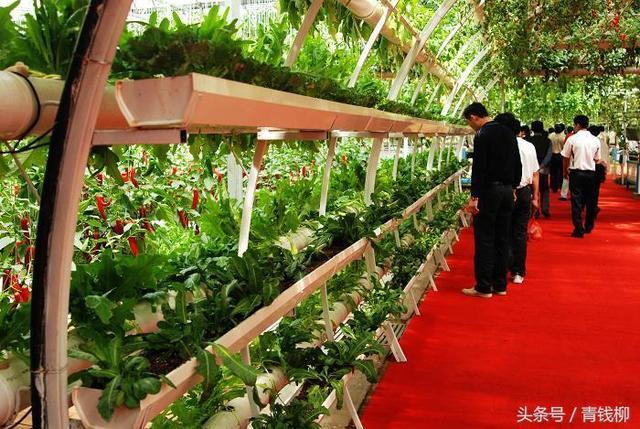
Facility System Construction and Nutrient Management Techniques for Organic Ecological Soilless Cultivation
Facility System Construction and Nutrient Management for Organic Ecological Soilless Cultivation 1 Facility System Construction The organic ecological soilless cultivation system adopts the form of substrate trough cultivation. When finished troughs of standard specifications are not available, locally available materials can be used to build the troughs, such as wooden boards, wooden strips, bamboo poles, or even bricks. In practice, only the frame of the trough without a bottom is built, so it does not need to be particularly sturdy, as long as it can keep the substrate from scattering onto the walkway. After the trough frame is built, lay a layer of 0.1 mm thick polyethylene plastic film at the bottom of the trough to prevent soil-borne diseases and pests from spreading. The trough frame is 15-20 cm high, and the trough width depends on the different cultivated crops. For vining crops such as cucumber and melon, or tall crops like tomato that require support stakes, the standard trough width is set at 48 cm, which can accommodate two rows of crops, with a trough spacing of 0.6-1 m. For shorter crops such as lettuce, bok choy, and strawberry, the trough width can be set at 72 or 96 cm, with a trough spacing of 0.5-0.8 m. The trough length should be determined according to the structural conditions of the protected greenhouse, generally 5-30 m. Under conditions where there is tap water infrastructure or a storage tank with a water level difference of more than 1 m, an independent water supply system can be built for a single greenhouse. For a trough width of 48 cm, 1-2 drip irrigation tapes can be laid; for a trough width of 72-96 cm, 2-4 drip irrigation tapes can be laid.
条件筛选