-
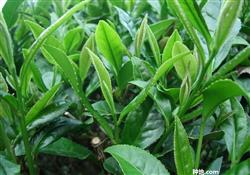
How are biological pesticides used on tea plants? Detailed explanation of methods and technical key points
How are biological pesticides used on tea plants? Please advise. The current tea market, especially tea exports, has very high requirements for tea quality and safety. Biological pesticides, including microbial pesticides and plant-derived pesticides, do not pollute tea or the environment, have very low toxicity to humans and livestock, and leave no toxic residues, so...
-
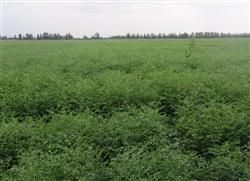
What Does Licorice Look Like? A Detailed Guide to Its Morphological Characteristics and Suitable Growing Environment
[Morphological Characteristics]Licorice (Glycyrrhiza) is a perennial herb, 30-100 cm tall. The entire plant is covered with short white pubescence and glandular hairs. The above-ground stem is upright, woody at the lower part, and the branchlets are angular and green. The leaves are alternate and odd-pinnately compound. There are 3-8 pairs of leaflets, ovate or ovate-elliptic, with entire margins, and the terminal leaflet is larger. The raceme...
-

Adopted Son Builds a Villa for My Retirement, His Biological Parents Come Looking for Him, and After My Son Speaks, I'm Stunned
(From a reader submission, images sourced from the internet) My adopted son built me a villa for my retirement. His biological parents came to find him. After my son spoke, I was stunned. Between biological parents and an adoptive mother, which one truly counts as family? I had thought my adopted son...
-
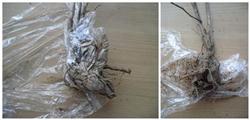
What are the morphological characteristics of the blueberry root system?
What kind of characteristics do blueberry roots have? Please introduce them. The blueberry root system has no root hairs. For this reason, the absorptive capacity of the blueberry root system is much smaller than that of root systems with root hairs. Its absorption area is only 1/10 that of a wheat root system of the same size with root hairs. The blueberry root system is fine and fibrous, and before branching the fine roots are straight...
-
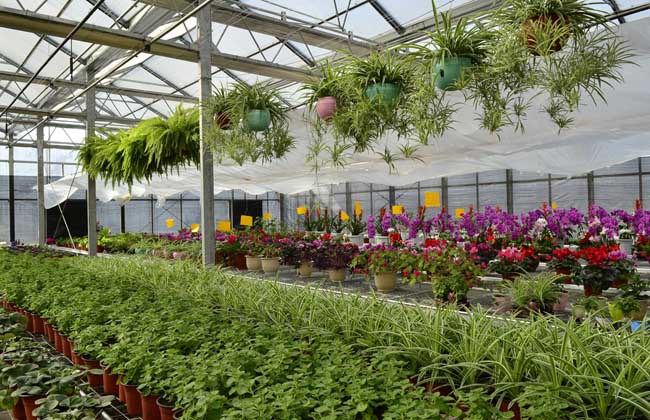
What are the common models of ecological circular agriculture?
Common ecological circular agriculture models
-
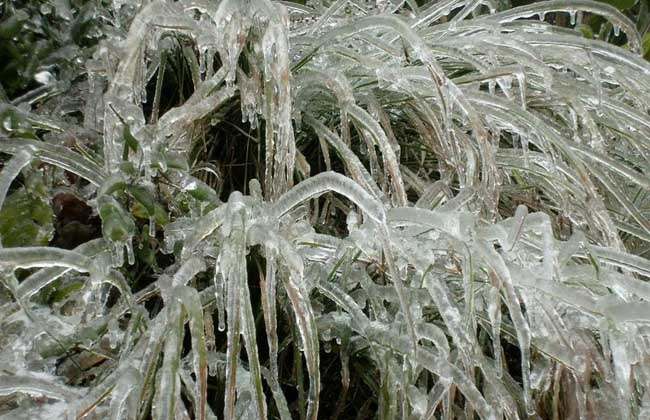
What are the main types of meteorological disasters in China?
What meteorological disasters are there in China?
-
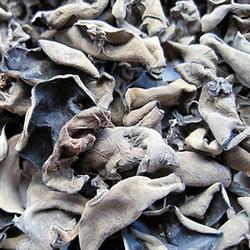
Detailed Explanation of the Biological Characteristics and High-Yield Cultivation Techniques of Black Wood Ear Mushroom
Timely harvesting: Regardless of whether it is spring, summer, or autumn wood ear, it should be harvested after the rain has passed and the sky has cleared, once the ear pieces have dried slightly. If the weather is dry, evenly sprinkle some water on the evening before harvest, and harvest the next morning after the dew has dried; wood ear harvested this way is less likely to break. If there is continuous rainy weather, it must still be harvested to avoid streaming ear. Gene...
-
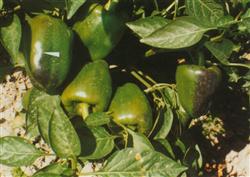
What are the common types of physiological diseases in sweet peppers?
What are the common physiological diseases of sweet peppers? Please give an introduction. The common physiological diseases of sweet peppers are: 1. Sunscald. 1. Symptoms. The cause of this disease is direct strong sunlight, and symptoms appear only on the sun-facing side of the fruit. In the early stage, the affected part fades in color, becomes slightly wrinkled, and appears grayish-white or slightly yellow. The flesh of the affected part loses water and becomes thin,...
-
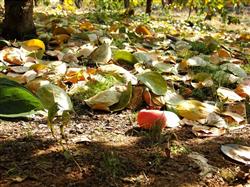
What causes physiological fruit drop in persimmon trees?
What is physiological fruit drop in persimmon trees? Please provide an introduction on how to prevent it. The causes of physiological fruit drop in persimmon trees and prevention and control methods are as follows: 1. Factors behind physiological fruit drop in persimmon trees. Due to improper management, persimmon trees drop a large amount of fruit 1 month after the flowers fade, with the peak fruit drop period occurring about 20 days after full bloom, and then another minor fruit drop in August...
-

Detailed Explanation of Pigs' Special Physiological Functions and Living Habits
Pigs' Special Physiological Functions and Living Habits
条件筛选