What are the common models of ecological circular agriculture?
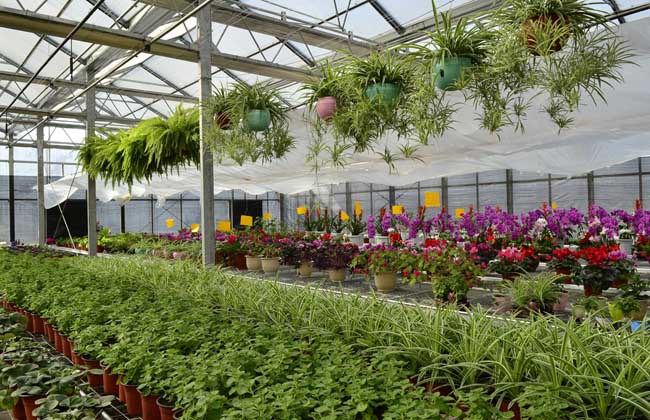
An ecological agriculture model is an agricultural ecosystem formed in agricultural production practice that balances the economic, social and ecological benefits of agriculture, with optimized structure and function; throughout the production process it achieves reduced discharge, even zero discharge, of waste and resource reuse, and greatly reduces the use of pesticides, veterinary drugs, chemical fertilizers and coal and other non-renewable energy sources, thereby forming a production pattern of clean production, low input, low consumption, low emissions and high efficiency.
Pig-biogas-vegetable model
A household builds a 6-8 cubic meter biogas digester, raises 2 or more pigs, and supports about 1 mu of open-field vegetables; pig manure goes into the digester, biogas fertilizer is used to grow vegetables, biogas residue is used as base fertilizer, biogas slurry as topdressing, and foliar spraying of biogas slurry is used to suppress insects and prevent disease. The “pig-biogas-greenhouse vegetable” model can also be adopted, building an 8 cubic meter biogas digester inside a 0.8 mu plastic greenhouse and raising 3-5 pigs. Human and livestock manure enters the biogas digester; biogas is used for cooking or for lighting and heating production in the greenhouse, and provides a fertilizer source for vegetable production; biogas residue and slurry pass through a pipe network to be used as fertilizer to improve the soil; production in the greenhouse basically does not use chemical fertilizer, and the amount of pesticide is also greatly reduced, with yield increases of 20-30%, and quality greatly improved. Because the pig house and biogas digester are built inside the solar greenhouse, the pigs grow quickly and save feed, increasing the economic benefits of pig raising.
Pig-biogas-fruit (fish) model
A household builds one biogas digester, markets 3-5 pigs per year, and plants 1-2 mu of fruit trees; biogas residue and slurry are used as quick-acting organic fertilizer for topdressing fruit trees, which can raise fruit quality by 1-2 grades, increase yield by more than 15%, and reduce production costs by 40%. The “pig-biogas-fish” model can also be adopted; this model is mainly developed among fish farmers: human and livestock manure enters the digester and after fermentation is fed to fish, biogas residue is used as pond base fertilizer, and biogas slurry as topdressing, thereby reducing feed costs, reducing the amount of chemical fertilizer applied to the fish pond, and controlling fish diseases.
“Food chain” model
Build one 8-10 cubic meter biogas digester, raise 100 chickens and 3-5 pigs, raise fish in 3 mu of water surface, and farm 5 mu of farmland. Biogas is used as the intermediate link, connecting chickens, pigs, fish and crops, so that they form a closed food chain circulation system. The specifics are feed→raising chickens (feeding pigs)→chicken manure (pig manure and urine) enters the biogas digester, biogas is used as domestic energy, biogas slurry and biogas residue feed fish→fish pond mud and part of the biogas residue fertilize the fields. This model has the characteristics of developing multiple industries simultaneously and being mutually complementary.
Planting-raising-processing model
The planting-raising-processing model is suitable for farming households engaged in traditional agricultural product processing, such as making tofu or grinding flour. The processing by-products (such as okara and flour residue) are fed to pigs, pig manure enters the biogas digester, biogas fertilizer is used to grow pollution-free rice, vegetables, etc., and biogas is used for cooking, processing and lighting.
Fish-mulberry-chicken model
Fish are raised in a pond, mulberry trees are planted around the pond, and chickens are raised in the mulberry field. Pond sludge and chicken manure are used as fertilizer for the mulberry trees, silkworm pupae and mulberry leaves are fed to chickens, and silkworm droppings are fed to fish, so that mulberries, fish and chickens form a good ecological cycle. Trials show that for every 5,000 kg of mulberry leaves fed to silkworms, the silkworm droppings fed to fish can increase fish production by 25 kg, and the annual production of 1,200 kg of chicken manure is equivalent to applying 18 kg of standard nitrogen fertilizer and 17.5 kg of phosphate fertilizer to the mulberry field.
Chicken-pig-fish model
Feed is fed to chickens, chicken manure is fed to pigs, pig manure after fermentation is fed to fish, and pond mud is used as fertilizer. Calculated on the basis of raising 100 chickens per year, feeding chicken manure to pigs can increase pork production by 100 kg, feeding pig manure to fish can increase the catch of marketable fish by 50 kg, and together with pond mud used as fertilizer, the total additional income can reach 1,000 yuan.
Summary: An ecological agriculture model is an agricultural ecosystem formed in agricultural production practice that balances the economic, social and ecological benefits of agriculture, with optimized structure and function; throughout the production process it achieves reduced discharge, even zero discharge, of waste and resource reuse, and greatly reduces the use of pesticides, veterinary drugs, chemical fertilizers and coal and other non-renewable energy sources.
Cattle-fish model
Weeds, rice straw or pasture grass are ammoniated and fed to cattle, cattle manure after fermentation is fed to fish, and pond mud is used as farmland fertilizer. The manure of 2 cattle can feed fish in 1 mu of water surface, increasing marketable fish by 200 kg per year.
Cattle-mushroom-earthworm-chicken-pig-fish model
Weeds, rice straw or pasture grass are used to feed cattle, cattle manure is used as mushroom compost, the by-products after mushroom harvest are used to breed earthworms, earthworms are fed to chickens, chicken manure after fermentation is fed to fish, and fish pond sludge is used as fertilizer.
Livestock-biogas-edible fungi-earthworm-chicken-pig-fish model
Straw is ammoniated, alkalized or saccharified and then fed to livestock; livestock manure and feed residues are used to make biogas or cultivate edible fungi; edible fungi by-products are used to breed earthworms; earthworms are fed to chickens; chicken manure after fermentation is fed to pigs; pig manure after fermentation is fed to fish; biogas residue and pig manure are used to raise earthworms; and the residues are used to raise fish or as fertilizer.
Livestock-fly maggot-chicken-cattle-fish model
Livestock manure is fed to fly maggots; fly maggots are a high-protein feed for chickens; chicken manure after fermentation is fed to cattle; cattle manure is fed to fish; and fish pond sludge is a high-quality organic fertilizer.
Chicken-pig model
Feed is used to feed chickens, chicken manure after regeneration treatment is fed to pigs, and pig manure is used as farmland fertilizer. The chicken manure produced in 1 year by every 40 broiler chickens can raise 1 fattening pig (from weaning of the piglet to fattening to 75 kg).
Chicken-pig-cattle model
Feed is used to feed chickens, chicken manure after regeneration treatment is fed to pigs, pig manure after treatment is fed to cattle, and cattle manure is used as farmland fertilizer. In this way, the conflicts among people, livestock and grain can be greatly reduced, and feed costs effectively lowered.