-
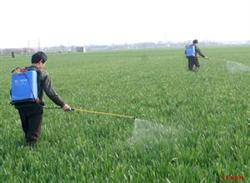
What are the precautions for using bacterial biological insecticides?
To use pesticides to control crop pests and achieve the best insecticidal effect, while selecting the right pesticide and applying it at the right time, you must, based on the three factors that affect efficacy, pay attention to solving the two easily overlooked problems of timely application and delivering the pesticide to the target. 1. The three factors affecting efficacy. 1. Climate. Application...
-
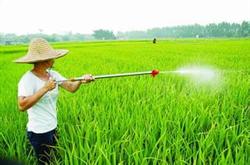
What are the scientific methods for using bacterial biological insecticides?
From rice sowing to the seedling stage, farmers should focus on controlling seed-borne diseases (bakanae disease, rice blast at the seedling stage, white-tip nematode disease, etc.), the small brown planthopper, and the first-generation stem borers. At the rice booting stage, the focus should be on controlling pests and diseases such as the rice planthopper, rice leaf roller, stem borers, ear blast, and rice false smut. At the rice ear stage, the rice planthopper is the main target, along with...
-
Detailed Explanation of Key Points for Using Bacterial Biological Insecticides
Bacterial biological insecticides have advantages such as high insecticidal rate, no environmental pollution, safety to natural enemies, harmlessness to humans and livestock, and not inducing pest resistance. They are a new type of protective pesticide currently promoted for use in pollution-free cultivation. Because their control effect mainly depends on the bacterial activity in the pesticide, the following points need to be kept in mind during use...
-

Six precautions to note when using bacterial biological insecticides
Biological pesticide: BT, Chinese name Bacillus thuringiensis, is a bacterial insecticide. This variety has been fully used in the main vegetable-growing areas of our country and has achieved good economic benefits. However, there are currently many BT manufacturers with varying quality, so when using it you must choose a variety of good quality. Note: BT is effective when the temperature is slightly higher...
-
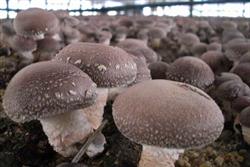
Six key taboos to remember when using bacterial biological insecticides
Edible fungi suffer pest damage during the mycelium growth and mushroom fruiting stages due to the distinctive odor of the mycelium, so insecticides are often used when pest damage occurs. When pest damage occurs in edible fungi, the first step is to choose insecticides that are highly effective, low in toxicity, and have a short residual life, such as decis and dichlorvos; do not use banned substances such as benzene hexachloride (BHC) and DDT...
-
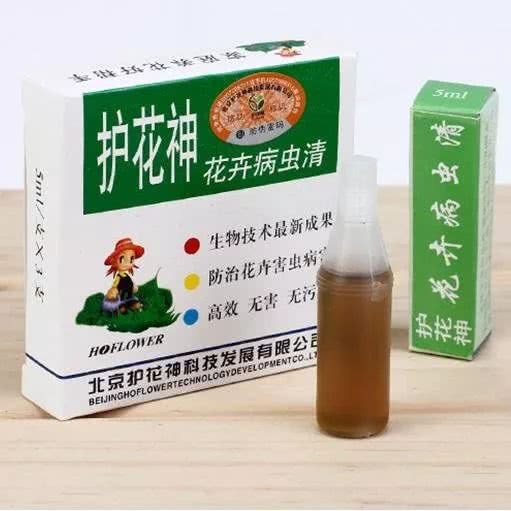
High-tech biological preparation Beijing Huahuashen mealybug, aphid, red spider mite insecticide for orchids, succulents, flowers, potted plants, pest and disease control
Like this article? Share it right away to let more people know! The content on this site is rich and comprehensive, broad and profound. Our editors select the hottest daily news and update it at any time. Click "Be the first to receive the latest news" to browse! Please continue...
-
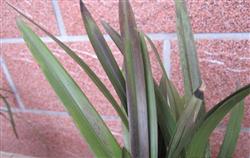
What are the common physiological diseases in orchid cultivation?
What physiological diseases occur in orchid cultivation? Please introduce them and provide guidance on prevention and control methods. For physiological diseases during orchid cultivation, you can refer to the following introduction and prevention and control methods: 1. Sunscald: also known as sunburn, mainly caused by scorching from strong direct sunlight in midsummer. It can be blocked with a shade net to ensure that no direct...
-

What are the common physiological diseases in strawberry cultivation?
What physiological diseases affect strawberry cultivation? How should they be prevented? Experienced growers are also asked to help explain. Strawberries not only have bright, attractive fruit, but are also rich in amino acids, fructose, sucrose, glucose, citric acid, malic acid, pectin, carotene, vitamin B1, B2, niacin, and the minerals calcium, magnesium, phosphorus, potassium...
-
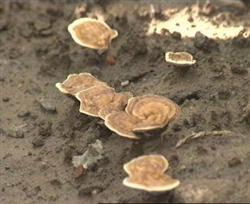
How to prevent and control physiological diseases of reishi mushroom? Detailed explanation of cultivation techniques
How to prevent and control physiological diseases of reishi mushroom? Please provide an introduction to the methods. Physiological diseases of reishi mushroom are caused by the action of abiotic factors, which often lead to disorders of physiological metabolism in reishi mushroom and thus cause disease. Symptoms: after the occurrence of physiological diseases, deformed reishi mushrooms grow, mycelium stops growing or grows poorly and shows shrinkage, and there is also excessive vegetative growth...
-
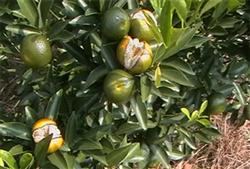
Navel Orange Cultivation Techniques: How to Prevent and Control Physiological Diseases of Navel Oranges?
How to prevent and control physiological diseases of navel oranges? Please provide an introduction. The main physiological diseases of navel oranges are fruit cracking, sunburn, and navel yellowing. For control methods, please refer to the following list: Control methods for navel orange fruit cracking. For navel orange fruit cracking, first select varieties (lines) with strong cracking resistance. Generally, varieties (lines) with oval fruit shape, small navel or closed navel have better cracking resistance, such as Newhall and others. Second, strengthen scientific management to enhance tree vigor. Especially during the drought period after the plum rain and before the autumn rains arrive, water management must be done particularly well, with timely irrigation or watering (sprinkling) to keep the soil moist and promote normal fruit growth and development. Third, during the rapid fruit expansion period, spray foliar potassium fertilizer 2 to 3 times consecutively.
条件筛选