-
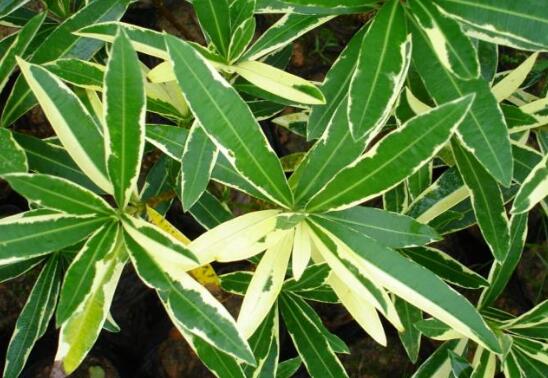
What to do when oleander leaves get bugs? 2 pests, 4 diseases and their control methods
Growing plants indoors is a modern trend, but there is one plant everyone must be careful with: oleander, a highly ornamental yet toxic plant. Precisely because it is toxic, many flower growers are very careless in caring for it, which invites pests and diseases. So what should you do when oleander leaves get bugs?
-
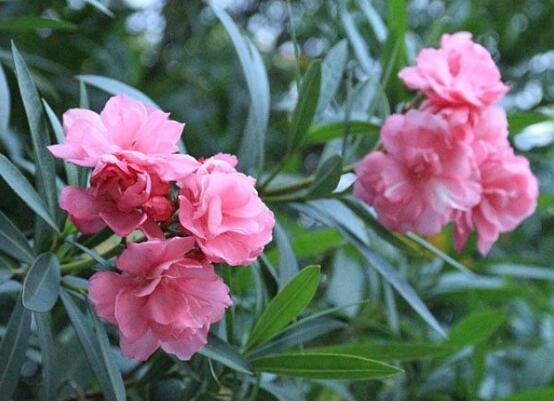
How to Propagate Oleander? Two Methods with High Survival Rates from Spring Cuttings
Oleander, an ornamental plant, is toxic, yet its beauty and its medicinal value are beyond doubt, which is one of the reasons people plant oleander even knowing it is toxic. Because of oleander's benefits, mass propagation is imperative, so how do you propagate oleander?
-
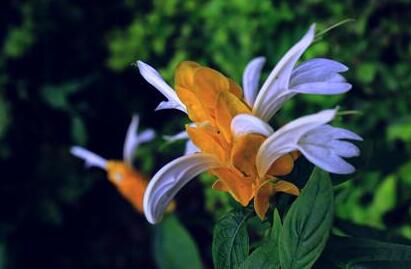
How to water Pachystachys lutea? The water quality should be clean, do not overwater, and ensure good drainage during the rainy season
Pachystachys lutea likes a humid environment, so in the cultivation methods for Pachystachys lutea, you need to create a suitable environment for it through watering. You cannot go without watering for long periods, nor can you water too much. So how do you water Pachystachys lutea? This is a question many flower lovers care about, and below the editor will tell you the answer.
-
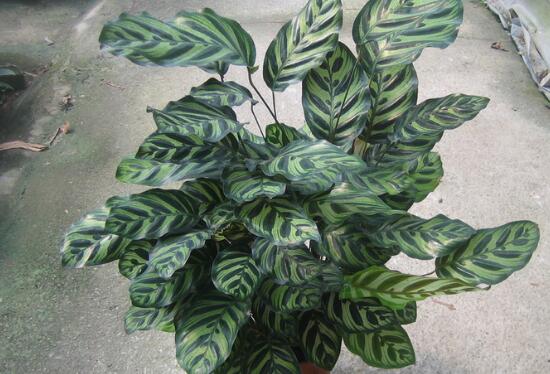
Is Calathea makoyana easy to grow? Care for it this way in winter and clean the leaves once a month
The beautiful Calathea makoyana is surely familiar to flower lovers. It stays green all year round, and its leaves, marked with a peacock-tail pattern, leave a deep impression at first sight. So is Calathea makoyana easy to grow? It is known that Calathea makoyana likes a warm environment, so whether it is easy to grow mainly depends on winter. So how should Calathea makoyana be cared for in winter?
-
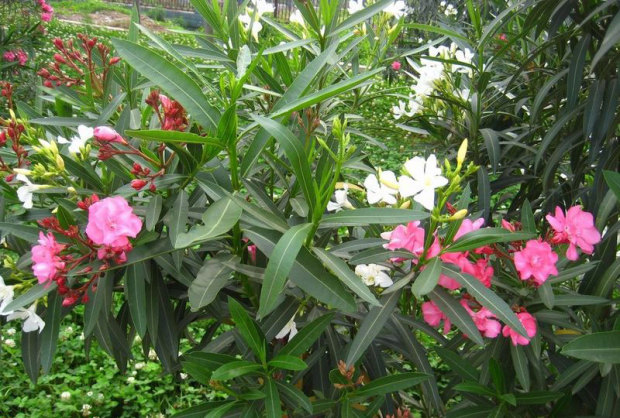
A Detailed Guide to the Cultivation Methods and Growing Techniques of Oleander
The oleander gets its Chinese name "jiazhutao" (lit. "bamboo-leaved peach") because its leaves resemble bamboo and its flowers resemble peach blossoms; some say its leaves resemble willow and its flowers resemble peach, which is why it is also called "liuyetao" (willow-leaf peach). The oleander is an evergreen shrub or small tree in the dogbane family (Apocynaceae), with a height of up to 3 m. The old branches are gray and smooth, and the leaves are simple and dark green. The inflorescence is terminal, and the corolla is funnel-shaped, creamy white or pink
-
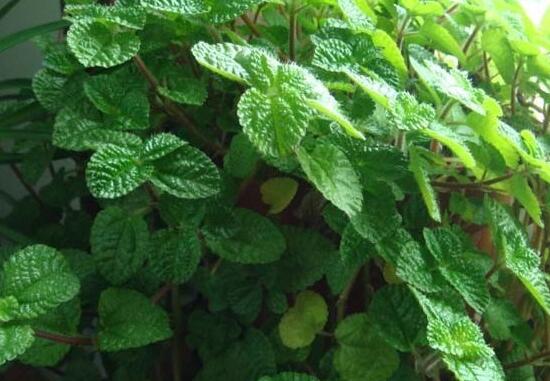
What to do when the leaves of the lemon balm plant turn black? Supplement light, clean off dust, and reduce indoor toxins
As people pay more and more attention to their health, more and more people are starting to grow plants indoors, and the lemon balm plant, which can absorb toxic gases, is naturally potted at home by many people. However, during the cultivation process, many flower lovers' lemon balm plants develop various problems, such as blackening leaves
-
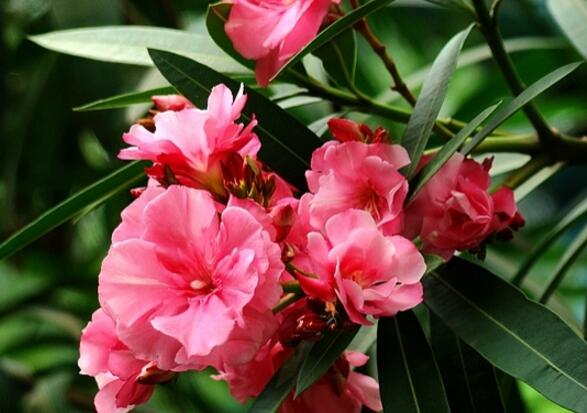
Potted oleander is highly toxic: detailed guide to growing methods and precautions
You have probably heard of oleander; it is a plant with a long flowering period and brilliant flowers, deeply loved by many flower enthusiasts. In daily life, many people grow oleander at home, but the whole oleander plant is highly toxic, so anyone growing it must be careful. So how do you grow potted oleander?
-
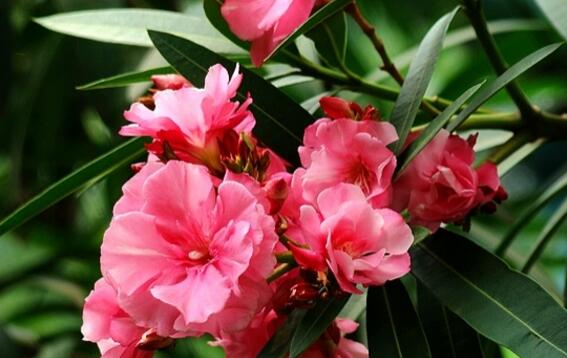
How to water oleander? Water only when dry, and when you do, soak it thoroughly; reduce watering in winter.
As a highly ornamental plant, oleander is very poisonous, but its flowers and leaves are both very attractive, so many people keep it at home. Oleander is highly adaptable and has low demands for water and fertilizer, but if you want it to look better, watering is key. So how do you water oleander?
-
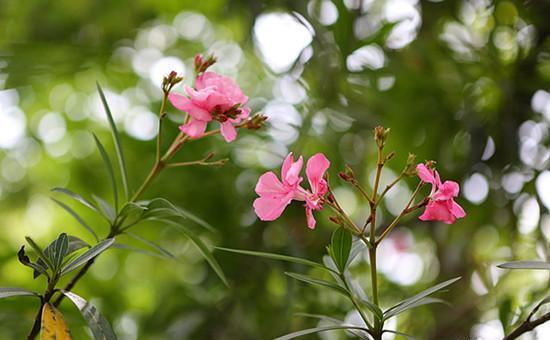
How to fertilize oleander? Homemade farm fertilizer twice a month, stop fertilizing during summer heat
Oleander is a highly ornamental plant with rich flower colors - white, pink, red and more - found throughout parks, along riversides and elsewhere. As everyone knows, oleander is toxic, so growing it well is difficult, especially when it comes to fertilizing: not fertilizing is certainly not an option, but fertilizing too much is also a worry. So how do you fertilize oleander?
-
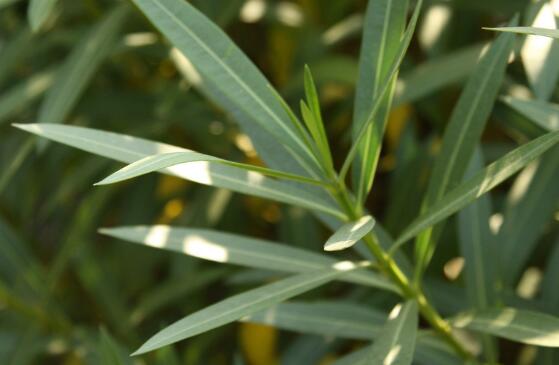
What to do when oleander leaves turn yellow? 6 solutions for too much watering and too little light
Everyone has surely heard of oleander. Although the whole plant is poisonous, its emerald green leaves and large, beautiful flowers are still highly ornamental, so quite a few people take the risk of growing it. However, during cultivation, due to improper care and other reasons, symptoms of yellowing leaves can appear. So what should be done when oleander leaves turn yellow?
条件筛选