-
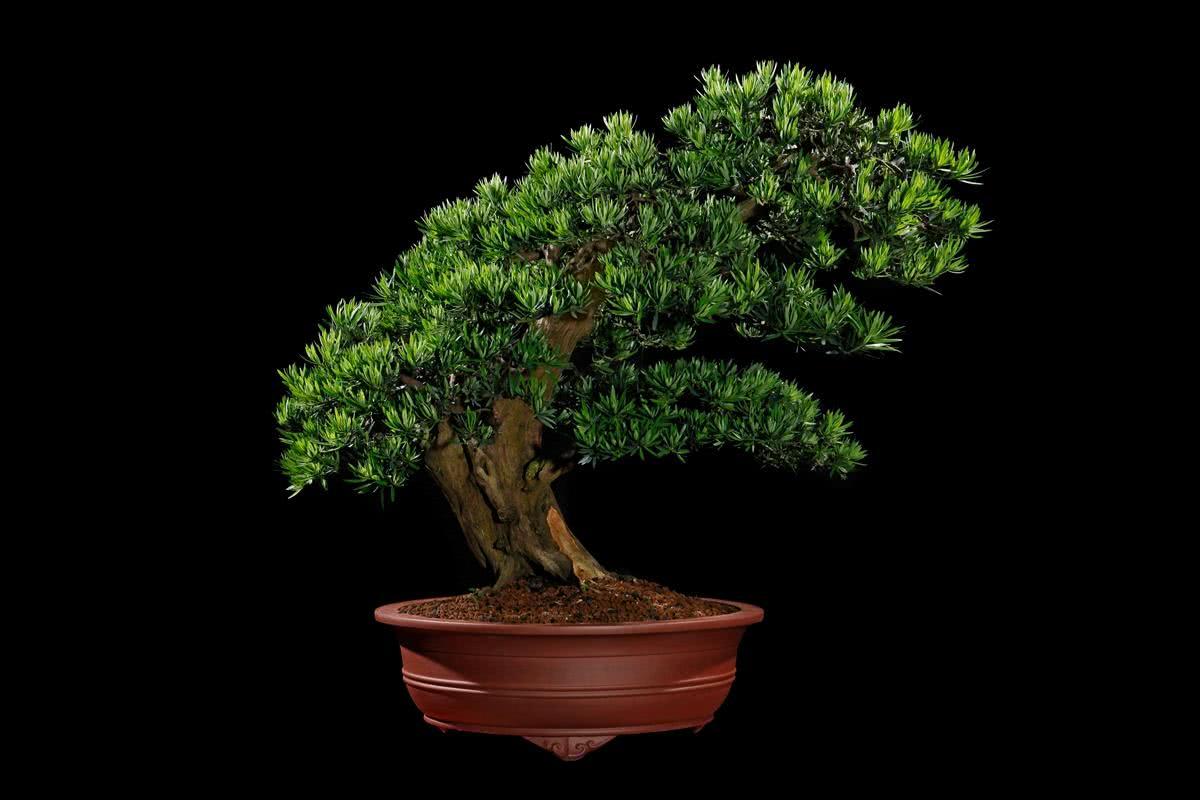
Reasons for Sudden Yellowing and Leaf Drop in Podocarpus and How to Solve Them
Podocarpus has always been a highly favored tree species, thanks to its unique shape and symbolic meaning, its simple and natural form, its sturdy and powerful branches, and its own traits: slow growth and relatively difficult care. This is what makes podocarpus on the market...
-
What are the control methods for silverleaf disease in zucchini?
How do you control silverleaf disease in zucchini? What does silverleaf disease look like? Affected zucchini plants show weak growth, a shorter plant type, drooping leaves, wrinkled leaves at the growing point, and a semi-dormant state, with shortened internodes on the upper stem; the stems, young leaves, and petioles of functional leaves become chlorotic, leaf chlorophyll content decreases, and leaves initially appe...
-
Diagnosis and Treatment of Yellow Leaf Disease in Peonies: A Detailed Guide
During the cultivation and management of peonies, especially in late spring and early summer each year, the leaves often turn yellow or even dry and scorched. There are many reasons why peony leaves turn yellow, and the cause must first be identified so that the right remedy can be applied. Fertilizer-induced yellowing is leaf yellowing caused by over-fertilization. Peonies generally use organic fertilizers such as chicken manure, soybean cake, and oil residue as topdressing...
-
What are the symptoms of banana leaf spot disease?
What do the symptoms of banana leaf spot disease look like? Please explain that there are two common types of banana leaf spot disease, namely yellow stripe leaf spot and black stripe leaf spot. In the past two years, they have occurred from time to time in banana plantations. The area of banana leaves damaged often accounts for 20%-40% of the total leaf area, and in severe cases over 80%. Most leaves of diseased plants dry up...
-
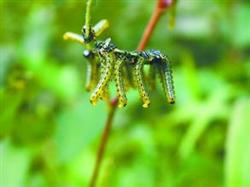
Integrated Control Techniques and Methods for Poplar Leaf-eating Pests
Poplar is deeply favored by people for its excellent characteristics such as fast growth, suitability for a wide range of growing sites, and outstanding economic benefits. However, as the planted area of poplar gradually expands, especially with the increasing development of pure stands, outbreaks of poplar leaf-eating pests continue to occur, so integrated control of poplar leaf-eating pests is very...
-
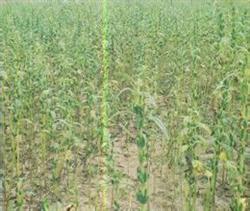
What methods are used to control sesame leaf blight?
What can prevent sesame leaf blight? Please learn about the distribution and damage of sesame leaf blight: It occurs in all sesame-producing areas nationwide. This disease is caused by the fungus Corynespora cassiicola. In addition to harming sesame, it also harms crops such as soybean and straight bean. Symptoms/morphological characteristics: After seedlings are damaged, the leaves and stems die;...
-
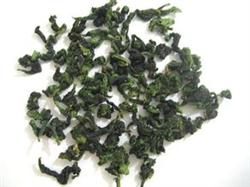
How to Make Goji Leaf Health Tea and Detailed Steps
Goji leaves are rich in betaine, rutin, and various amino acids and trace elements. Regularly drinking goji leaf tea has health benefits such as nourishing the liver and improving eyesight, and softening blood vessels. The production method is as follows: 1. Picking leaves: Pick fresh goji leaves that are tender green in color, free of pests and diseases, and thick and plump. Wash off the dust on the leaf surface with clean water...
-
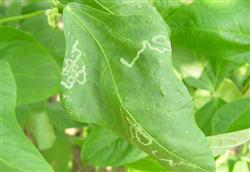
Control methods for leafminer flies in yardlong bean cultivation
How to control leafminer flies when growing yardlong bean? Here are the methods. Liriomyza sativae belongs to the genus Liriomyza, family Agromyzidae, order Diptera. The pest mainly damages plants as larvae, which bore between the upper and lower epidermis of the leaves and feed on the leaf sap and mesophyll, forming nearly round, punctate, sunken yellow spots on the leaves. After the larvae mine and feed on the mesophyll, they form tunnels. The tunnels are curved...
-
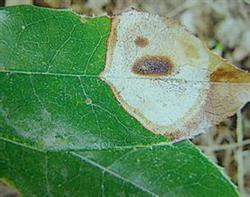
What are the symptoms of Osmanthus brown leaf spot?
The pathogen of Osmanthus brown leaf spot is Cercospora osmanthicola. It commonly occurs in Hangzhou and other places. Osmanthus brown leaf spot is a very common disease, mainly infecting leaves; in severe cases it causes the whole plant to defoliate, affecting flowering and ornamental value. It commonly occurs in Hangzhou and other places. Symptom characteristics: affected leaves first show small yellow spots, which then gradually turn yellow-brown to...
-
What to Do When Osmanthus Trees Get Leaf Blight? Detailed Guide to Prevention and Control Methods
What propagation methods are there for osmanthus trees? Please advise, thank you. Osmanthus trees have the following propagation methods: 1. Grafting propagation. The rootstock for grafting osmanthus is generally privet (Ligustrum) or Ligustrum obtusifolium; side grafting or approach grafting is mostly used, and in recent years some have experimented with the tear grafting method. Tear grafting is simple to perform, and the survival rate can reach about 93%. The specific method is: on the spring buds...
条件筛选