-
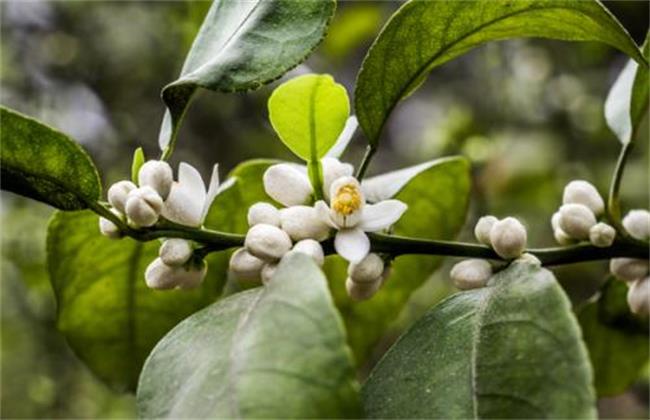
Analysis of the Causes of Leaf Curling in Sugar Mandarin and Its Prevention and Control Methods
Causes of Leaf Curling in Sugar Mandarin and Prevention and Control Methods
-
-
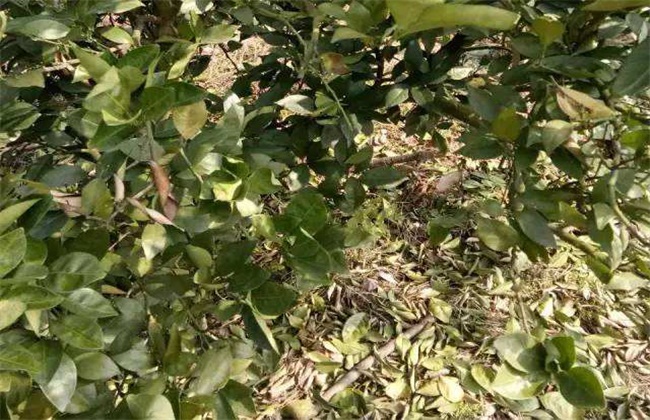
What causes abnormal winter leaf drop in citrus? How to prevent and control it
Causes of abnormal winter leaf drop in citrus and control measures
-
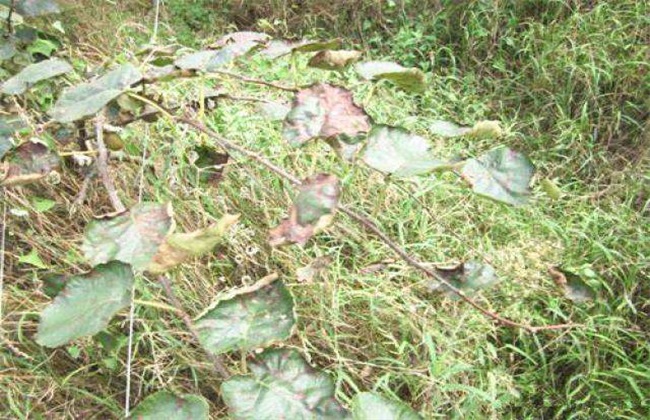
How to prevent leaf drop during the kiwifruit harvest period
How to prevent leaf drop during the kiwifruit harvest period
-
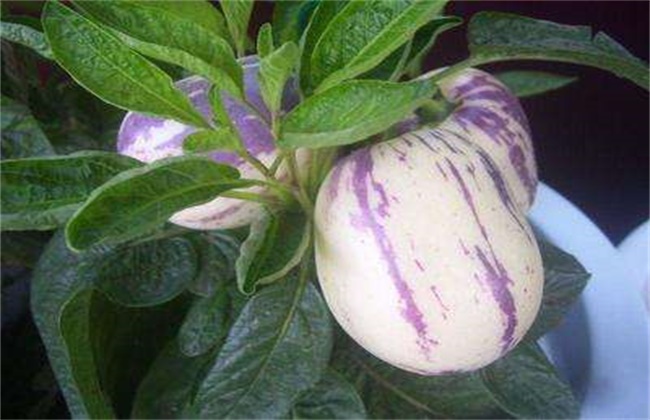
What causes leaf curling in ginseng fruit and how to prevent and control it
Causes of leaf curling in ginseng fruit and control measures
-
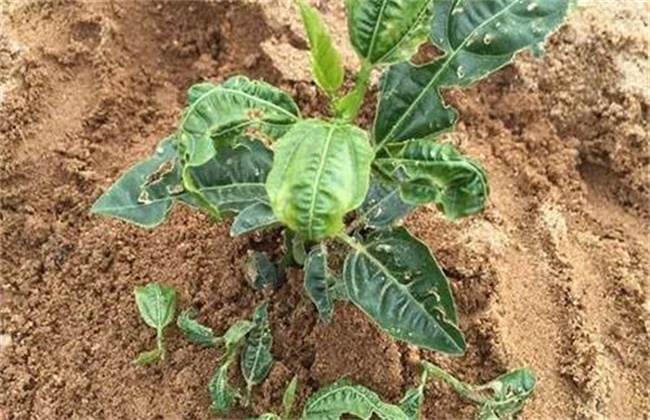
Detailed Explanation of the Causes of Passion Fruit Leaf Curling and Prevention and Control Methods
Causes of Passion Fruit Leaf Curling and Prevention and Control Methods
-

How to prevent and control banana leaf spot disease? A detailed explanation of practical technical points
Control techniques for banana leaf spot disease
-

Key Technical Points for Planting Birchleaf Pear Rootstock Seedlings in the Rainy Season
Birchleaf pear (Pyrus betulifolia) is an excellent rootstock for grafting pear cultivars, being drought-resistant, cold-resistant and tolerant of poor soil. It is generally planted in spring and autumn, but in remote mountainous areas short of water, the difficulty of transporting water and spring drought often affect the survival rate of planting. Fruit growers in our region have experience with planting birchleaf pear rootstock seedlings in the rainy season, which gives a high survival rate, rapid orchard establishment and low cost. The specific methods are as follows. 1 Plant after the continuous rainy season arrives, when the underground water content is close to saturation; planting in the rain or rushing to plant before the rain is best. 2 Dig up birchleaf pear sucker seedlings from nearby hillsides; generally a seedling diameter of 0
-
How to Make Black Jujube Leaf Tea: Method and Detailed Steps
Black jujube leaf tea is rich in vitamin C, amino acids, flavonoids and other components beneficial to the human body, and drinking it regularly is good for your health. The specific production process is as follows: 1. Leaf picking and handling: The best time to pick leaves is from July to October, choosing fresh leaves free of pests and diseases. After the leaves are picked, they should be spread out to air in a ventilated indoor spot to promote the formation of amino acids in the leaves; after airing for one hour, cut the leaves crosswise into pieces of uniform size. 2. Fixing: The purpose is to use high temperature to destroy the activity of enzymes in the fresh leaves and prevent the vitamin C and other components in the leaves from
-
How to prevent and control peach leaf curl? A detailed explanation of practical technical points
I. Symptoms and damage. This disease occurs from time to time in the south, and when severe it causes branch dieback and affects ornamental value. The disease mainly damages leaves. When leaves unfold in early spring, the leaf margins curl downward, and the diseased leaves become blistered in part or entirely, the leaves thicken, become brittle in texture, and turn yellow or red, with the leaves distorted and deformed. In early summer, a grayish-white powdery layer forms on the diseased parts, and when the disease is severe the leaves fall early. When young shoots are damaged, they appear grayish-green or yellow, with short and thick internodes and slight curvature; the upper leaves cluster and curl. When the disease is severe, the branches die.
条件筛选