Reasons for Sudden Yellowing and Leaf Drop in Podocarpus and How to Solve Them
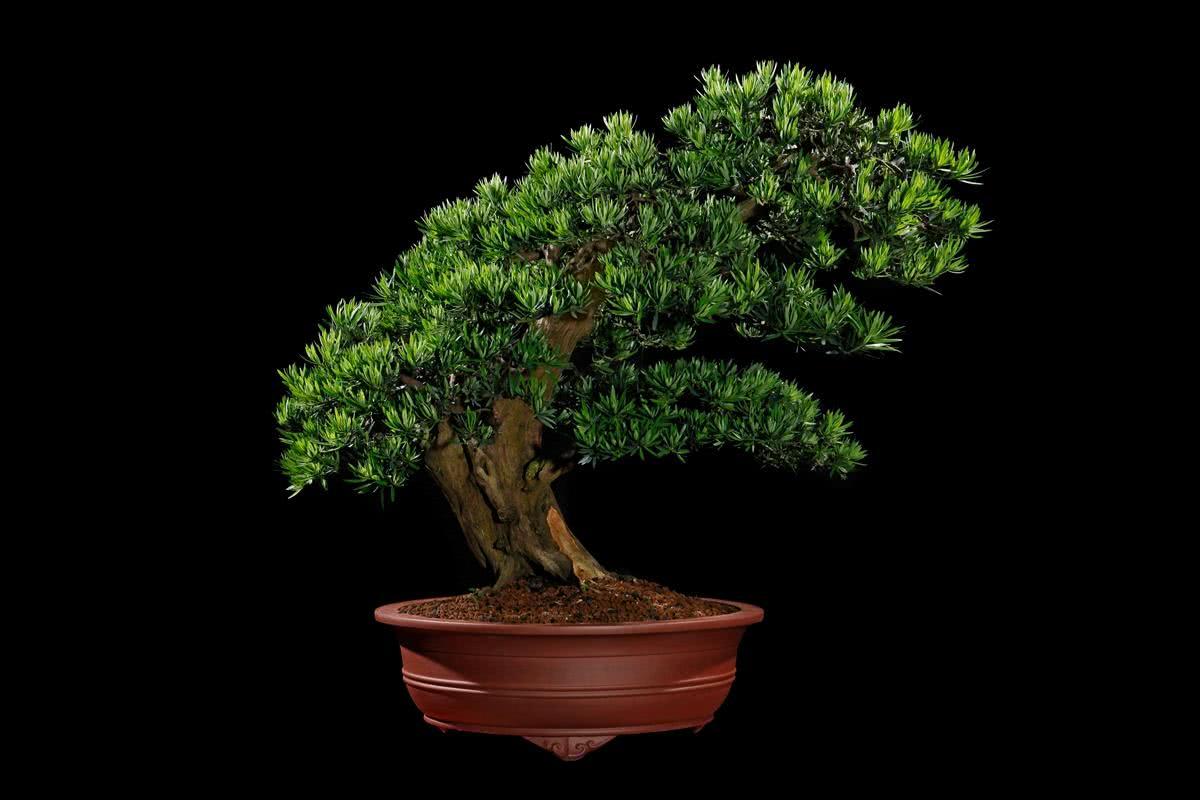
Podocarpus has always been a highly favored tree species, thanks to its unique shape and symbolic meaning, its simple and natural form, its sturdy and powerful branches, and its own traits: slow growth and relatively difficult care. This is what makes podocarpus on the market so expensive. In recent years, more and more private courtyards and high-end villa communities have been using podocarpus, but after planting, podocarpus often develops problems, such as leaf drop and yellow leaves. What are the causes? And how should they be solved? Today I will share this with you.
First, when you notice that the leaves of your podocarpus look somewhat abnormal, especially when they turn yellow, you need to observe whether it starts from the young leaves, and in most cases the spots appear at the leaf tips and leaf margins. Small spots will appear in these areas and gradually expand.
In fact, this is a diseased state, and its pattern of development is as follows: throughout the whole disease process, it goes from loss of green color, to the appearance of yellow spots, to the yellow spots expanding and turning into brown spots, to the area gradually enlarging, to half a leaf being affected, and finally to the entire leaf turning withered and yellow. This is a fungal disease that occurs on podocarpus.
This fungal disease belongs to the Deuteromycetes, which form mycelium in dead branches and fallen leaves and overwinter there. When spring arrives the following year, the pathogen invades young leaves or enters branches through wounds. After invading, the pathogen absorbs nutrients from the host, forms acervuli under the epidermis, and then in seasons of high temperature and high humidity releases many conidia, causing the disease to gradually spread or worsen. And why does it first develop from the top of the tree? Mainly because the planting soil is relatively sticky and has poor water and air permeability, so the roots at the bottom are prone to rotting, and the plant relies only on surface roots to absorb water and nutrients. With insufficient nutrients, absorption at the top is naturally hindered, resulting in poor resistance in the top leaves and the disease appearing there first.
To solve it, first check and treat the roots, and create drainage around them, along with the installation of triangular ventilation pipes. On the other hand, remove the areas with dense foliage. If the pathogen has already become relatively severe, prune away the diseased branches and leaves, and then apply a coating to the wounds of the damaged branches and leaves. It is recommended to add a fungicide and an indoleacetic acid-type rooting agent to the coating. If the condition is severe, the soil should be replaced and the proportion of coarse sand increased.
If you also enjoy growing flowers, trees, or succulents, remember to follow.