-

How to prevent and control lilac leaf blight?
Symptoms and pathological changes: Brown spots mainly form on the leaves. The spots are round, nearly round or irregular, with dark brown edges and light brown centers. In severe cases, the leaves are covered with brown spots and fall early, leaving only a few leaves on the whole plant. The pathogen is a fungus, Cercospora lilacis. The stroma is spherical, dark brown. The conidiophores are bundled, upright.
-

Symptoms and Control Methods of Leaf Blight in Maidenhair Fern
Symptoms: Scale insects are a common pest of maidenhair fern, and are extremely likely to occur in warm, humid conditions with poor ventilation. When affected, white bumps can be seen on the leaves, the leaves droop and wither, and in severe cases the entire leaf turns scorched yellow. Control methods: Maidenhair fern has many leaves, making it very difficult to check every leaf for scale insects
-
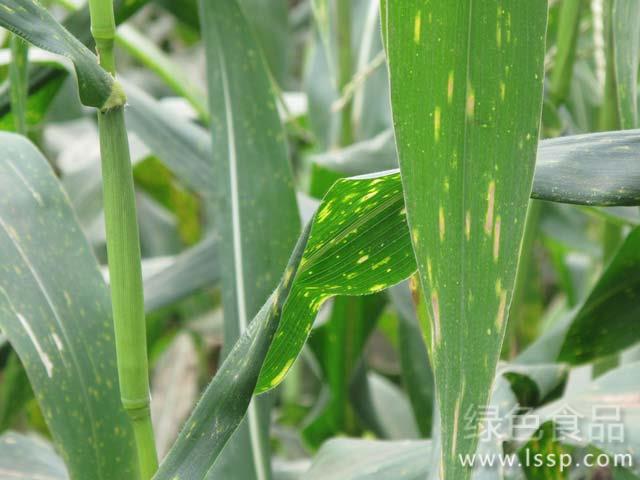
How to prevent and control northern corn leaf blight and southern corn leaf blight that damage leaves
How to prevent and control northern corn leaf blight and southern corn leaf blight that damage corn leaves
-
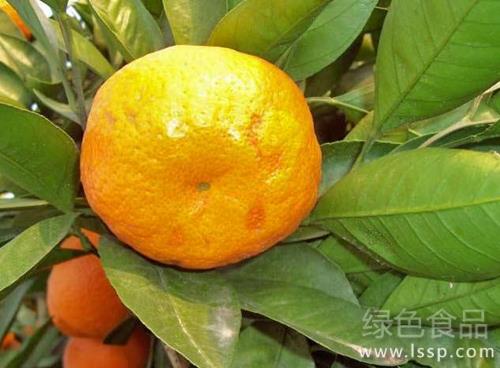
Control methods for citrus anthracnose that causes leaf blight, shoot blight, fruit rot and fruit drop
Control methods for citrus anthracnose causing leaf blight, shoot blight, citrus rot and fruit drop
-
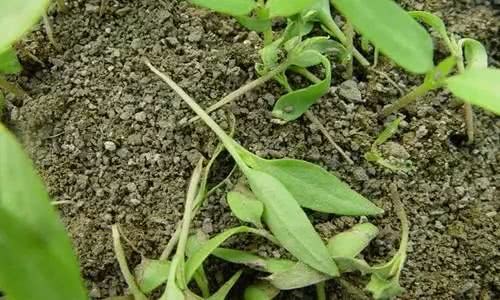
How to deal with common flower-growing diseases such as powdery mildew, leaf blight and leaf spot?
Damping-off symptoms: After sowing plant seedlings, the base of the tender stem becomes water-soaked and rots until the seedling topples over. On close inspection, the upper part of the plant still keeps its original color. Causes: Because the soil is too wet, and...
-
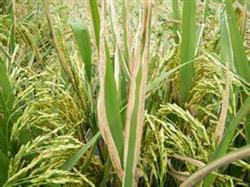
Detailed Explanation of the Causes and Control Techniques of Rice Bacterial Leaf Blight
The pathogen of rice bacterial leaf blight is Xanthomonas oryzae, a bacterium belonging to the genus Xanthomonas. Bacterial leaf blight is one of the major diseases of rice. Once it occurs, it generally reduces yield by 10%, and in severe cases by 50-60%. Therefore, strengthening the control of bacterial leaf blight is very important. 1. Causes of the disease 1.1 Relationship between disease occurrence and climatic conditions...
-
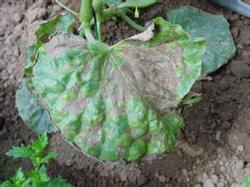
How to treat bacterial leaf blight in greenhouse melons? Detailed control methods
This disease is a bacterial disease that mainly damages leaves, petioles and young melons, and can cause damage throughout the entire growth period. When infected at the seedling stage, the cotyledons show water-soaked yellow sunken spots. When leaves are infected, the early stage shows light green water-soaked spots on the underside of the leaves, and gradually the leaf surface turns into light brown necrotic lesions. After drying, the lesion area becomes brittle and perforated. To prevent this disease...
-
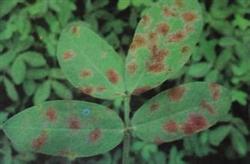
How to identify peanut leaf blight? A simple method anyone can understand at a glance
Peanut web blotch, also known as cloud-pattern blotch or net-blotch, was first discovered in the United States in the mid-1940s. In the late 1970s, China's Liaoning Province reported the occurrence and damage of this disease for the first time. In recent years, the disease has been fairly common in production areas in northern China, with relatively severe damage, generally reducing yield by about 20%, and in severe cases reducing yield by 4...
-
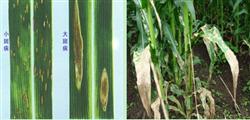
Control Techniques for Northern Corn Leaf Blight and Southern Corn Leaf Blight
Northern corn leaf blight and southern corn leaf blight mainly damage the leaves, and sometimes also infect the leaf sheaths and husks; southern corn leaf blight, in addition to damaging the above parts, can also damage the ear. In many regions these two diseases are collectively called "corn leaf blight." 1. Symptom identification: The typical symptom of northern corn leaf blight is that small lesions rapidly expand into large elongated spindle-shaped spots...
-
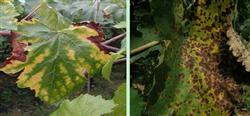
How to Prevent and Control Grape Leaf Blight? A Full Analysis of Practical Methods
Grape leaf blight starts on the lower leaves of the plant and gradually spreads upward. It can occur from June to November, with July to September being the peak period. It is severe in rainy years and in poorly managed vineyards. Prevention and control methods: 1. After autumn, thoroughly clear away fallen leaves in the vineyard to reduce or eliminate the overwintering source of the disease. During the grape growing season...
条件筛选