-
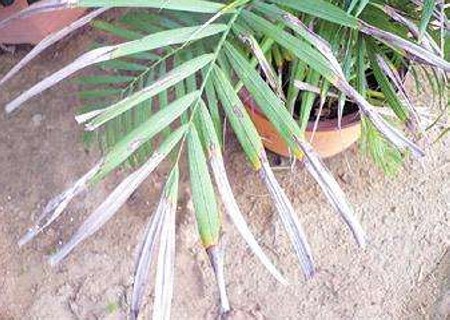
How to effectively treat areca palm (Dypsis lutescens) leaf blight
Leaf blight is a common disease caused by fungal infection. Areca palms are prone to this disease under conditions of high temperature, high humidity and poor ventilation, and the damage it causes is relatively serious. In mild cases, the plant's leaves appear dry and withered; in severe cases, it may lead to the death of the plant. So
-
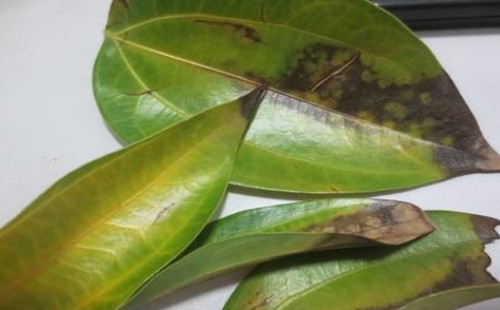
Treatment Methods for Peace Lily Infected with Leaf Blight
The worst thing about keeping potted plants is pests and diseases, especially for indoor foliage potted plants. Once infected with pests and diseases, it will not only affect the normal growth of the plant, but also reduce the ornamental value of the potted plant, and may even bring health effects to our living space
-

Podocarpus bonsai pruning, shaping, and leaf blight prevention and control methods
Podocarpus bonsai, with its tender green new leaves interspersed among the dense green foliage, has a quaint and elegant posture and is quite beautiful, making it a top-grade material for bonsai creation. So do you know how to prune and shape a Podocarpus bonsai? How do you prevent and control leaf blight? How to prune and shape a Podocarpus bonsai
-
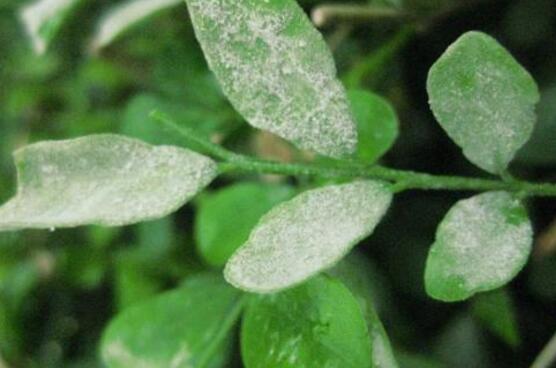
What to Do When Orange Jessamine Gets Leaf Blight? Detailed Control Methods
[Symptoms] The disease occurs on the leaves, mostly starting from the leaf tips and margins, and in severe cases can also spread to the shoot tips and young stems. The lesions first appear as faded green yellow spots, spread rapidly, and soon infect the whole leaf, turning it yellowish-brown. In the later stage, the leaves dry up and are covered with black granular bodies, which are the pycnidia of the pathogen.
-
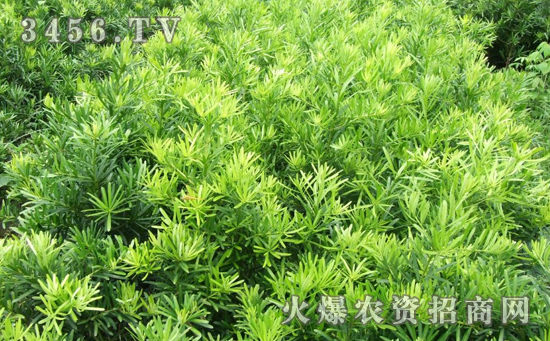
What are the control methods for Podocarpus leaf blight?
[Distribution]South China, Southwest China, Central China, East China, greenhouses in the north. [Symptoms]Occurs on Podocarpus leaves. In the early stage, the lesions mostly appear at the leaf tip, as yellow withered spots with a clear boundary between diseased and healthy tissue; in the later stage, the lesions turn grayish-yellow, dry up, and bear black granular bodies. [Occurrence pattern]The pathogen is a weak parasite
-
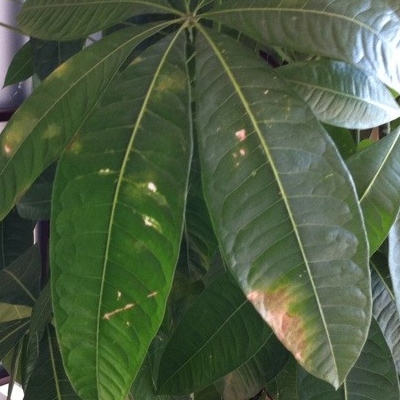
What to Do When a Money Tree's Leaves Get Spots and Leaf Blight
Money tree (Pachira aquatica) is something many people absolutely love. Isn't the name super auspicious? Let's take a look at what to do when a money tree's leaves get spots. What to do about money tree leaf blight: What to do when a money tree's leaves get spots: Leaf spot disease is very easy to identify. At the beginning, dark brown or brown spots appear on the leaves.
-
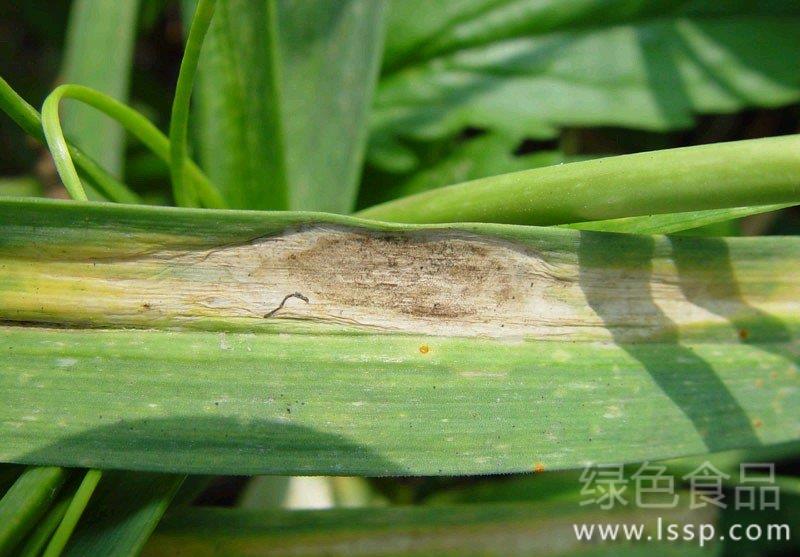
Garlic leaves turning from green to brown and yellow: master the control methods for garlic leaf blight
Garlic leaves turning from green to brown and yellow: control methods for garlic leaf blight
-

What to do when cotton develops red leaf blight during the boll-setting stage
Control measures for cotton red leaf blight: 1. Apply fertilizer reasonably, and skillfully apply the cotton topping fertilizer; nitrogen, phosphorus and potassium should be applied together or foliar fertilizer should be applied. 2. Strengthen field management, cultivate frequently, improve root respiration conditions, promote root development, prune and remove side branches in time, remove old leaves and control pests and diseases. 3. Spray for protection, using 70% mancozeb or 75% chlorothalonil 600-800 times solution or 70% thiophanate-methyl 800-1000 times solution plus foliar fertilizer (potassium dihydrogen phosphate, Lvzhiyuan, etc.) for spraying, once every 5-
-
Occurrence Patterns and Control Methods of Cotton Red Leaf and Stem Blight
Disease symptoms and occurrence patterns: Cotton red leaf and stem blight is an explosive disease that frequently occurs in the middle and late stages of cotton growth. It can cause leaves to turn red from bottom to top until they drop off. The leaf veins remain green, the leaf mesophyll turns red, and the leaves become thicker, brittle, and wilted before finally dropping. When the stem is cut open, it does not change color, which distinguishes it from cotton Fusarium and Verticillium wilt. Generally, in old cotton-growing areas, the disease is more severe in cotton fields with continuous cropping year after year, sandy soil, too shallow a plow layer, or insufficient fertilizer lacking potassium fertilizer. Drought in the middle and late stages, along with severe potassium and zinc deficiency in the soil, can also easily accelerate the occurrence of this disease.
-
What are the three main causes of cotton red leaf stem blight?
Cotton red leaf stem blight is a physiological disease caused by potassium deficiency. It occurs in the middle and late stages of cotton growth, and in dry years the occurrence and severity of damage are more serious. In the field, cotton generally begins to show symptoms at the bud stage, and the disease is most severe during the boll-setting and boll-opening stages. Symptoms mainly appear on the leaves. Diseased leaves develop from top to bottom and from the outside inward. Diseased leaves begin to lose green color from the edges, first turning yellow, then producing red spots, and finally the whole leaf turns red, the mesophyll thickens, wrinkles and becomes brittle, while the veins remain green. In severe cases, the leaves of the whole plant lose green color, then turn red and brown, the leaves scorch and fall off, leaving bare stems, and the plant
条件筛选