Control methods for citrus anthracnose that causes leaf blight, shoot blight, fruit rot and fruit drop
Citrus anthracnose, also called bark-splitting disease, occurs in all citrus-producing areas. It mainly damages leaves, young shoots, fruits, large branches, the main trunk, flowers and fruit stalks, often causing leaf blight, shoot blight, fruit rot and fruit drop. Diseased citrus is prone to rot during storage and transport.
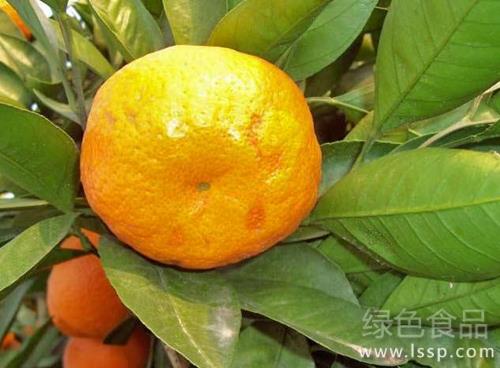
Citrus anthracnose
1. Strengthen cultivation management and boost tree vigor
Because the pathogen is latent, control should focus on strengthening cultivation management and boosting tree vigor. In terms of fertilization, apply organic fertilizer, reduce nitrogen fertilizer application, increase phosphorus and potassium fertilizer application, and supplement trace element fertilizers to regulate citrus tree nutrition, boost tree vigor and improve disease resistance; after citrus harvest, prune branches promptly, and through reasonable, scientific pruning, prevent the canopy from becoming too dense, improve ventilation and light penetration in the citrus orchard, and worsen the conditions for disease development and reproduction; irrigate scientifically, drain standing water, prevent root hypoxia, reduce orchard humidity and control disease occurrence; control pests and diseases, reduce wounds and lower the chances of pathogen invasion; carefully thin fruit, control the fruit load and improve fruit quality.
2. Clean the orchard and reduce inoculum sources
Along with fruit tree pruning, cut off diseased shoots, diseased leaves and diseased fruits, and at the same time remove fallen leaves, dead branches and dropped fruits, and gather them to burn, reducing the pathogen. After winter orchard cleaning, spray lime sulfur mixture once together with winter pest and disease control to eliminate the pathogen surviving on citrus trees.
3. Give priority to prevention and apply the right remedy
Spray once to protect the young leaves of spring, summer and autumn shoots at the young leaf stage; protect young fruit by spraying 15 days after petal fall, spraying once every 10-15 days for 2-3 consecutive sprays; if acute-type lesions appear, carry out chemical control immediately. To protect new shoot leaves and young fruit, you may choose 70% thiophanate-methyl wettable powder at 500 times dilution, or 50% carbendazim wettable powder at 500 times dilution, or 50% methyl thiophanate-chlorothalonil aqueous solution at 200 times dilution and other agents for spray prevention; if lesions have already been found, you may use 10% difenoconazole water-dispersible granules at 5000 times dilution, or 45% prochloraz emulsion in water at 1000 times dilution, or 70% thiophanate-methyl wettable powder at 500 times dilution + 75% chlorothalonil wettable powder at 500 times dilution and other agents for spray control.
4. Harvest at the right time and restore tree vigor
Harvest citrus promptly when mature and restore tree vigor as early as possible.
5. Remove diseased fruit and reduce postharvest fruit incidence
When harvesting citrus, promptly remove diseased citrus before storage and transport. During storage and transport, the temperature should be kept at 5—7°C, which can effectively reduce the occurrence of citrus anthracnose.