-
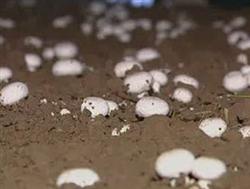
Solar Greenhouse Cultivation Technique for Intercropping Cucumber with Agaricus bisporus
I. Composting Technique. For 100 sq m, you need 1500 kg of wheat straw, 1250 kg of cow manure, 40 kg of phosphate fertilizer, 40 kg of gypsum, and 50 kg of lime with a pH of 7.5-8. 1. Pre-wetting the wheat straw: Take the wheat straw according to the formula, soak it in water in batches, and once the wheat straw has evenly absorbed water, pile it in layers on one side of the composting yard. 2. Wheat straw...
-

Detailed Explanation of Spring Corn Intercropping with Autumn Cucumber Cultivation Techniques
(1) Scope of application: Suitable for promotion and application in dryland corn planting areas covered with plastic film. (2) Operating procedures: 1. Land selection: Choose plots with flat terrain, deep soil layers, loose soil texture, medium or above fertility, and strong water and fertilizer retention capacity. 2. Land preparation: After harvesting the previous crop, immediately clear stubble and prepare the land, then...
-
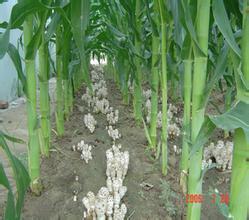
Key Technical Points for Intercropping Shaggy Mane Mushrooms in Pepper Fields
Intercropping shaggy mane mushrooms (Coprinus comatus) in pepper fields is a good way to cultivate them in a semi-wild manner. It can save the expense of building mushroom houses, does not take up extra space, and can greatly increase the economic benefit per unit of land area. Generally, after the peppers are planted, trenches are dug in the middle of the pepper rows, material is laid, and mushroom spawn is scattered. For the convenience of managing and harvesting the mushrooms...
-
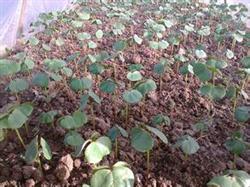
Method for Relay Intercropping Cotton with Spring Cauliflower and Summer Lettuce
The real culprit behind this headless cotton phenomenon is a pest called cotton thrips, which is the most serious pest damaging cotton fields, with tobacco thrips being the main species. The adults and nymphs of tobacco thrips are very small, difficult to see with the naked eye, and can only be seen on the underside of leaves with a magnifying glass. It damages cotton seedlings as adults or 1st and 2nd instar nymphs...
-
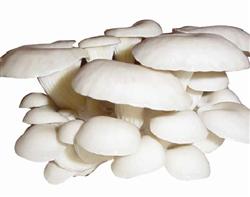
Key Cultivation Techniques for Intercropping Oyster Mushrooms with Cotton
Oyster mushrooms can be cultivated all year round, but those grown in the high-temperature season yield the greatest profit. Reasons: First, summer temperatures are high, making cultivation technically difficult, and pests and diseases occur easily, often leading to cultivation failure. Second, the total area under oyster mushroom cultivation in summer decreases, and total output is low, causing a shortage of fresh oyster mushrooms on the market and driving prices up. Base...
-

Detailed Explanation of the Technique of Intercropping Corn with High Wheat Stubble Retained
Technique of Intercropping Corn with High Wheat Stubble Retained
-
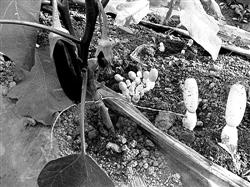
Key Cultivation Techniques for Intercropping Cucumbers with Shaggy Mane Mushrooms
Shaggy mane mushroom, also known as Coprinus comatus, is a typical mesophilic variety. When the soil temperature is below 8°C, it cannot produce mushrooms normally; when the soil temperature is above 30°C, the mycelial vitality declines, the parasitic fungus Psathyrella appears in large numbers, and the shaggy mane crop is nearly wiped out. By cooling in summer and heating in winter, shaggy mane mushrooms can be produced year-round, but in summer...
-
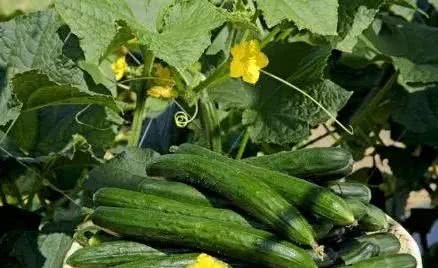
Large space in the cucumber patch means reasonable intercropping can bring high yields, but planting the wrong vegetables together leaves both sides damaged
It is time to sow autumn cucumbers again. Cucumbers have always been a vegetable deeply loved by friends, especially in summer when cold cucumber salad is very refreshing. Cucumbers are also rich in nutrients, full of protein and vitamins, and clear heat and detoxify...
-
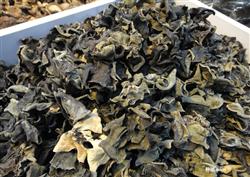
How to grow black fungus (wood ear mushroom) by intercropping? Key technical points explained
How to store wood ear mushrooms properly? Please advise: the optimal storage temperature for wood ear mushrooms is 0°C, relative humidity: above 95%RH. Wood ear mushrooms can be sold fresh or dried. Dried ones store better, but fresh ones have a more delicious flavor, so the choice depends on personal preference. Fresh ones are harder to store; after harvest, store them at low temperature immediately, which can still maintain a...
-
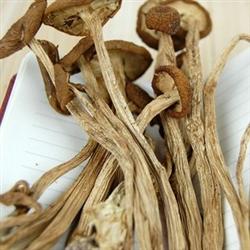
Corn intercropping with tea tree mushroom: planting methods and technical key points
How to intercrop tea tree mushroom with corn? Please refer to the following methods for corn intercropping with tea tree mushroom: 1. Choose a plot with flat land, sheltered from the wind and facing the sun, with convenient water sources, suitable for intercropping in a corn field. 2. Cultivation season. Meet the requirements for tea tree mushroom mycelium growth temperature of 10°C-35°C, optimum temperature 22°C-27°C; fruiting...
条件筛选