-
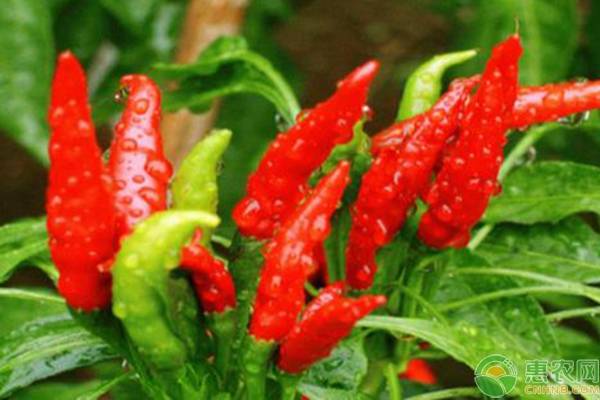
What crops are suitable for intercropping with chili peppers?
What crops can chili peppers be intercropped with?
-
-
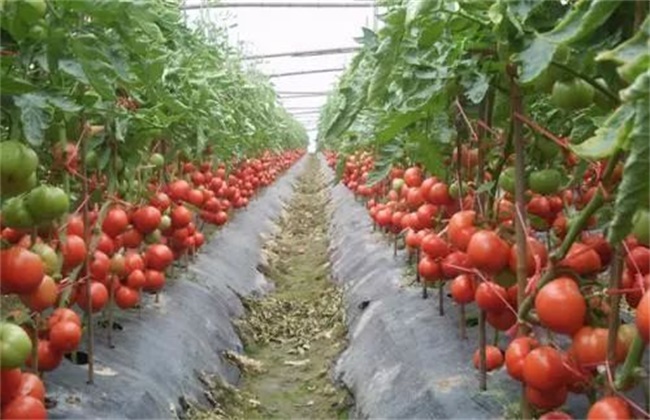
Key Technical Points for Intercropping Tomatoes with Yardlong Beans
Tomato and Yardlong Bean Intercropping Techniques
-
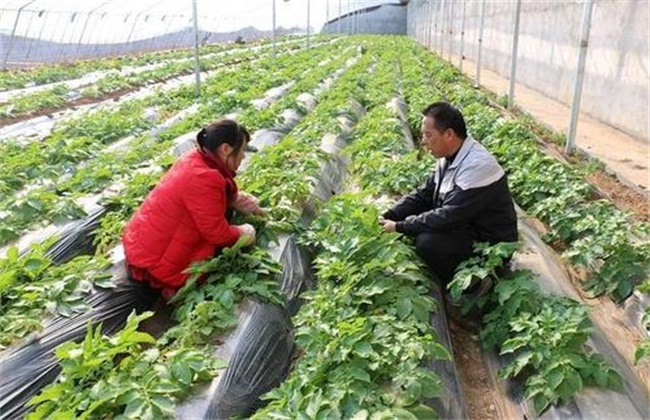
What are the principles and precautions for intercropping vegetables?
Principles and precautions for vegetable intercropping
-
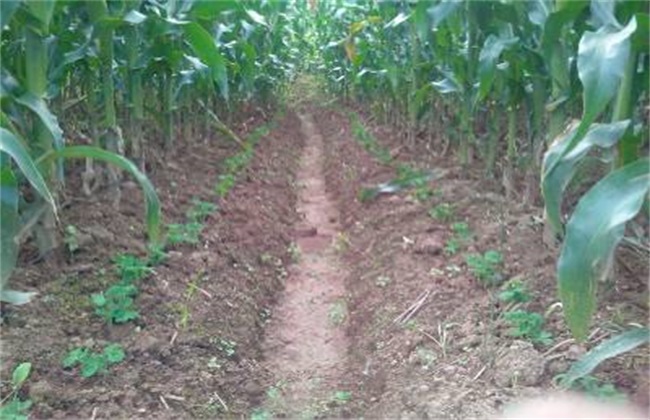
Key Technical Points and Planting Methods for Intercropping Peas Explained
Pea Intercropping Techniques
-
Bletilla striata intercropping methods: Polygonatum, turmeric, Pinellia, and corn vegetables can all be paired
Bletilla striata cultivation is a key research project of our institute. In order to make the land used for Bletilla striata cultivation produce greater value, we have also done some exploration of intercropping with Chinese medicinal herbs, and now we are sharing several...
-

Detailed Explanation of the Cotton and Potato Intercropping Cultivation Model
The cotton and potato intercropping model is applied on a relatively large area in the northern Jiangsu region. The symbiotic period of the two crops is not long, the mutual influence during the symbiotic period is small, and there is a complementary effect in fertilizer utilization. In the late growth stage of potatoes, the field has sufficient fertilizer and water, which is conducive to the seedling development of cotton, and can achieve high yields of both cotton and potatoes. Generally, the potato yield is 2000-2500 kg per mu, the cotton yield is 80-100 kg per mu, the output value per mu is 2500-3000 yuan, and the net income is 1500-2000 yuan. Generally, the bed width is about 3 m, and cotton is planted in wide and narrow rows
-
Key points of high-yield cultivation techniques for rice intercropping of hybrid rice and glutinous rice
Rice "hybrid-glutinous intercropping" refers to the intercropping cultivation of hybrid rice and glutinous rice. That is, medium-stalk hybrid rice and tall-stalk glutinous rice, using the advantage of the wide rows in the wide-narrow row strip planting of hybrid rice, and adding a single row of glutinous rice according to a certain belt width, row ratio and width. 1. Main advantages of hybrid-glutinous intercropping technology. 1. Increasing rice yield: Test results show that the combined total of the two crops under hybrid-glutinous intercropping increases yield by 28 kg per 667 sq m compared with ordinary hybrid rice, and by 110 kg compared with conventionally pure-planted glutinous rice. 2. Increasing income: Glutinous rice is
-
Potato Intercropping Cultivation Models and Key Technical Points
To improve land utilization and increase farmers' income, several intercropping and relay-cropping models with potato as the main crop are introduced here, for the reference of farmer friends and grassroots leaders in adjusting the agricultural structure. 1. Potato-cotton. Potatoes are sprouted in late January and sown in mid-to-late February, using plastic film mulch cultivation. The varieties selected are virus-free potatoes Zheng Yin No. 5 and Zheng Yin No. 7, bred by the Zhengzhou Fruit Research Institute of the Chinese Academy of Agricultural Sciences; for cotton, the large-plant, disease-resistant Biao Za A1 is preferable. Potatoes are planted in double rows on high ridges, with wide rows of 8
-
Intercropping insect-resistant cotton with potatoes: both crops can achieve high yields
In recent years, the model of intercropping potatoes with insect-resistant cotton has been welcomed by the people. According to surveys, this model not only enables cotton to achieve high yields (lint yield of 90-100 kg per mu), but also "freely" yields an extra 1500-2000 kg of potatoes per mu. The key cultivation techniques are as follows. I. Potatoes ① Seed selection and sprouting. It is advisable to choose early-maturing, short-stalked, high-yielding virus-free varieties, such as Holland No. 7, Jinyin No. 8, etc., using 80-90 kg of seed potatoes per mu. In mid-February, cut the seed potatoes into pieces (each kg cut into 40-50 pieces) and use a sunny cold frame or greenhouse
条件筛选