-
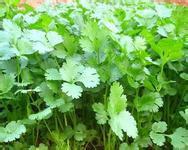
Detailed Explanation of the Intercropping Cultivation Technique for Chili Pepper, Loofah and Cilantro
By intercropping loofah and cilantro with chili pepper in greenhouses, greenhouse space can be used rationally, with a per-mu yield of 3000 kg of chili pepper, 1500-1800 kg of loofah and 550-600 kg of cilantro, giving considerable economic benefits. The cultivation technique is introduced as follows: 1. Variety selection. For chili pepper, choose the early-maturing superior varieties Wan Jiao No. 4 or Su Jiao No. 5...
-
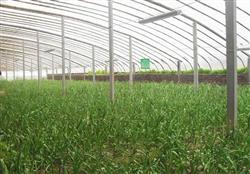
Cultivation Techniques for Intercropping Corn with Cucumber Followed by Garlic
Garlic is an essential seasoning in daily life; it is indispensable for cooking and stir-frying. In recent years, people have discovered many pharmacological effects of garlic, finding that it can prevent and treat a variety of diseases. American scientists have listed garlic as a basic health food. At present, garlic has become a worldwide vegetable, especially in...
-
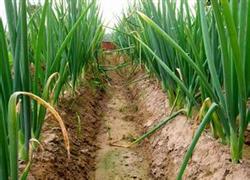
Key Winter Management Techniques for Intercropping Welsh Onions in Wheat Fields
In early autumn the weather turns cool and the onions begin vigorous growth, but the temperature is still relatively high and the plants grow slowly. Their water demand is not high, so they should be watered sparingly. Watering should be done in the morning and evening; never water at noon, as this suddenly lowers the soil temperature and affects root growth. In late August, when the average temperature in North China is below 24°C, Welsh onions...
-
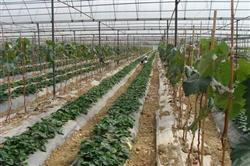
Intercropping strawberries has high economic returns and is a planting model worth trying
1. Intercropping in greenhouse strawberry fields: Fengxiang or Mingbao strawberries are planted by early September. Before the cold wave arrives from late October to early November, greenhouse film is covered. In winter, straw curtains are added outside, and plastic film plus small tunnels are used inside. Other management is the same as for greenhouse strawberries. On November 20, tomato and bell pepper seedlings are raised, and all seedlings are sold before April 20 of the following year. On March 5...
-
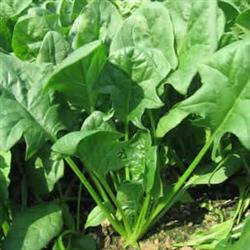
Key Techniques for Three-Dimensional Intercropping of Greenhouse Green Peppers, Loofah, and Cilantro
Summer spinach, also known as fu spinach, is difficult to cultivate and can only be grown on a small scale because it tends to bolt prematurely, and it also has the shortest leaf growth period of any crop in the year, resulting in unsatisfactory quality and yield, with pests and diseases hard to control. 1. Variety selection: It is advisable to choose varieties with strong drought resistance, heat tolerance, rapid growth, and low sensitivity to day length...
-
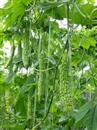
Key Cultivation Techniques for Intercropping Bitter Melon in Greenhouse Cucumber
Bitter melon is a heat-tolerant crop with few pests and diseases. Using a solar greenhouse for intercropping cucumber with bitter melon makes full use of the greenhouse's idle period, improves the utilization rate of greenhouse facilities, and increases economic returns. Variety selection. For cucumber, use Xintai Mici as the scion and black-seed pumpkin as the rootstock for grafted seedling raising....
-
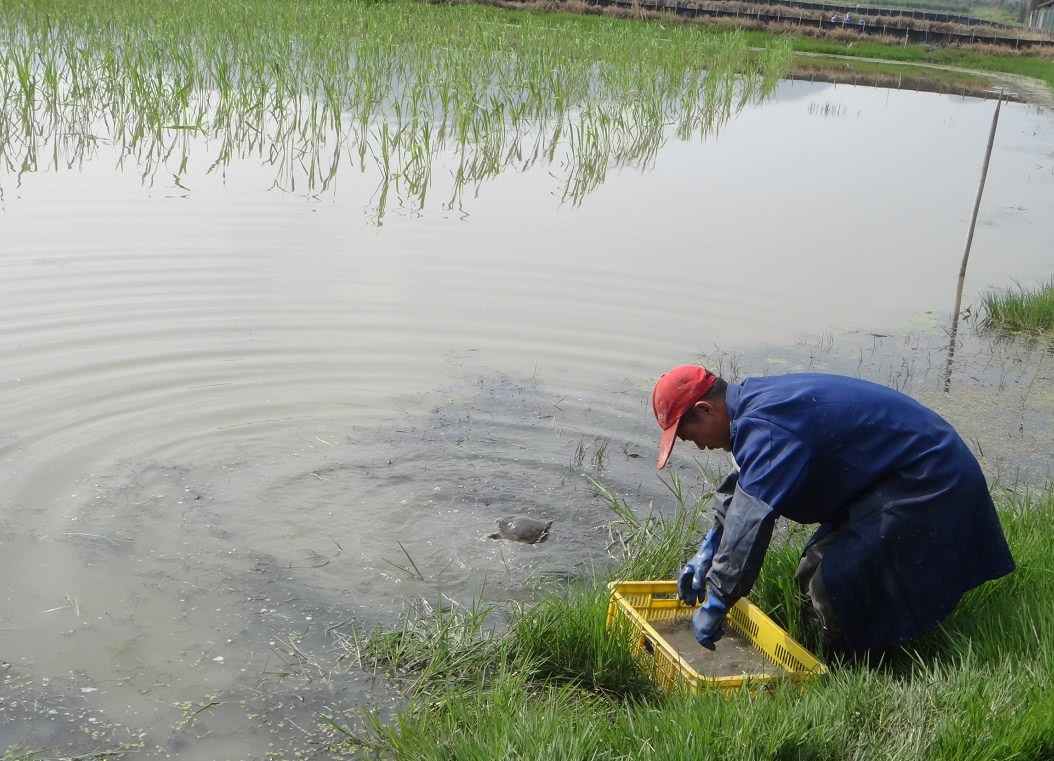
Intercropping "millennium longevity fish" in wild rice stem fields: 300 yuan each and no worries about selling them
This season is the harvest season for all kinds of agricultural products, and also the season when wild rice stems mature. Many people love to eat wild rice stems; white as jade, they are commonly known as "water bamboo shoots" and are also highly nutritious. Wild rice stem is a plant that grows in freshwater ponds, so...
-
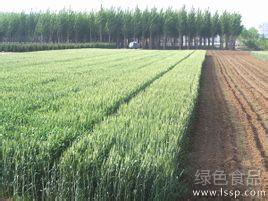
What are the technical characteristics of wheat field intercropping and multiple cropping patterns?
Analysis of the technical characteristics of the "intercropping and multiple cropping" pattern in wheat fields
-

Common problems and solutions in wheat-intercropped Three-Cherry pepper cultivation
With the adjustment of the agricultural structure, Three-Cherry pepper began to be planted in Neihuang County in 1993, and by 2004 it had grown to 4300 hectares, with the most concentrated area being Lucun Township, where the planting area is about 2900 hectares, and a trading market covering 6.5 hectares, with an annual trading volume of 87 million t and an annual trading value of 29.58 million yuan, was established, achieving good economic and social benefits, but many problems still exist, restricting farmers' economic returns. 1 Problems existing in production
-
Technique of Intercropping Small Shrubs in Southern Magnolia Fields
In the first 3 years of southern magnolia seedling growth, to offset the drawbacks of large investment and no profitable output from planting trees in open fields in the early stage, small shrubs such as Japanese boxwood, golden-leaf privet, and red-leaf barberry can be intercropped. During the first 3 years of intercropping small seedlings, at 6000-7000 plants per mu, averaging 0.5 yuan per plant, more than 3000 yuan in returns can be obtained. After the 4th year, the southern magnolia has grown to 5-6 cm, and at this point they can be sold selectively, at about 80 yuan per plant. From then on, selling each year yields returns. Cultivation points: when planting 1-year-old southern magnolia seedlings, plant spacing 1.2-
条件筛选