-

Detailed Explanation of the Technique of Intercropping Corn with High Wheat Stubble Retained
Technique of Intercropping Corn with High Wheat Stubble Retained
-
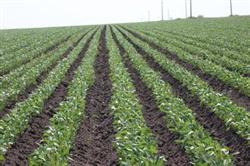
High-Yield and High-Efficiency Cultivation Model and Techniques for Spring Soybean Intercropped with Corn and Relay-Cropped with Sweet Potato
Right now is the sowing season for spring soybean and spring corn. Experts from the Provincial Department of Agriculture remind that the sowing window for spring soybean and spring corn spans a long period, the weather changes rapidly, and sowing conditions vary greatly, so it is not advisable to sow prematurely. The suitable sowing period is from late March to mid-May. Under conventional cultivation, our province...
-
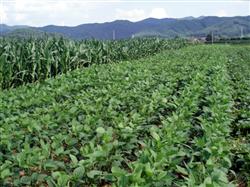
How to Intercrop Bamboo Fungus with Soybeans? Detailed Planting Method
How to intercrop bamboo fungus with soybeans? Here is an introduction. Intercropping bamboo fungus with soybeans solves the problem of building trellises for shade, saves costs, and adds a season of income from soybeans. The following planting method is for reference: 1. Cultivation season: According to local climatic conditions and the growth characteristics of bamboo fungus, the suitable cultivation season is when the temperature is stable at 7-30°C. For spring cultivation, sow between February and May...
-
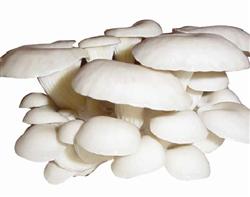
Key Cultivation Techniques for Intercropping Oyster Mushrooms with Cotton
Oyster mushrooms can be cultivated all year round, but those grown in the high-temperature season yield the greatest profit. Reasons: First, summer temperatures are high, making cultivation technically difficult, and pests and diseases occur easily, often leading to cultivation failure. Second, the total area under oyster mushroom cultivation in summer decreases, and total output is low, causing a shortage of fresh oyster mushrooms on the market and driving prices up. Base...
-
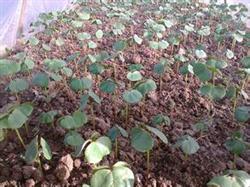
Method for Relay Intercropping Cotton with Spring Cauliflower and Summer Lettuce
The real culprit behind this headless cotton phenomenon is a pest called cotton thrips, which is the most serious pest damaging cotton fields, with tobacco thrips being the main species. The adults and nymphs of tobacco thrips are very small, difficult to see with the naked eye, and can only be seen on the underside of leaves with a magnifying glass. It damages cotton seedlings as adults or 1st and 2nd instar nymphs...
-
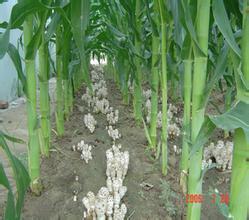
Key Technical Points for Intercropping Shaggy Mane Mushrooms in Pepper Fields
Intercropping shaggy mane mushrooms (Coprinus comatus) in pepper fields is a good way to cultivate them in a semi-wild manner. It can save the expense of building mushroom houses, does not take up extra space, and can greatly increase the economic benefit per unit of land area. Generally, after the peppers are planted, trenches are dug in the middle of the pepper rows, material is laid, and mushroom spawn is scattered. For the convenience of managing and harvesting the mushrooms...
-
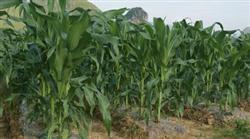
Detailed Explanation of Spring Corn Intercropping with Autumn Cucumber Cultivation Techniques
(1) Scope of application: Suitable for promotion and application in dryland corn planting areas covered with plastic film. (2) Operating procedures: 1. Land selection: Choose plots with flat terrain, deep soil layers, loose soil texture, medium or above fertility, and strong water and fertilizer retention capacity. 2. Land preparation: After harvesting the previous crop, immediately clear stubble and prepare the land, then...
-

How to intercrop and relay-crop kidney beans in cotton fields? Detailed technical key points
1. Choose good varieties. Varieties should be selected that have wide adaptability, strong stress resistance, a high pod-setting rate, and high yield. 2. Sow at the right time. During cultivation, the appropriate sowing time should be grasped, and seeds that are plump and glossy should be selected for sowing, so that plant growth and development are under good environmental conditions, reducing flower and pod drop and improving...
-
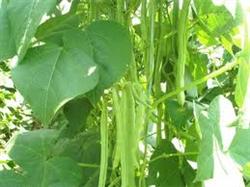
Key Technical Points for High-Efficiency Cultivation of Cucumber Intercropped with Kidney Beans
At present, greenhouse-cultivated kidney beans are in the vine-extending and flowering stage. How can we ensure a bumper harvest? Here we suggest vegetable growers grasp the following key measures for management. 1. Topping at the right time. The cultivation environment for greenhouse kidney beans differs from that for open-field kidney beans. Due to the higher temperature inside the greenhouse, growth is faster...
-
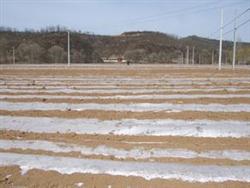
Detailed Cultivation Techniques for Spring Corn Intercropped with Autumn Cucumber
Land preparation and fertilization: Choose a sunny, well-ventilated plot with deep, loose, fertile soil, abundant water and good drainage. Base fertilizer should be mainly organic fertilizer, applied as early as possible in combination with autumn plowing, so that the fertilizer can fully decompose and blend with the soil. According to experiments, applying base fertilizer in autumn increases yield by 14.9% compared with applying it in spring. The base fertilizer can be...
条件筛选