-
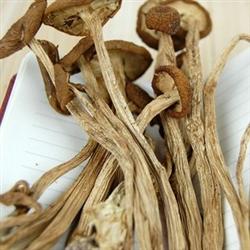
Corn intercropping with tea tree mushroom: planting methods and technical key points
How to intercrop tea tree mushroom with corn? Please refer to the following methods for corn intercropping with tea tree mushroom: 1. Choose a plot with flat land, sheltered from the wind and facing the sun, with convenient water sources, suitable for intercropping in a corn field. 2. Cultivation season. Meet the requirements for tea tree mushroom mycelium growth temperature of 10°C-35°C, optimum temperature 22°C-27°C; fruiting...
-
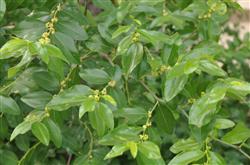
Reasons Why Winter Jujube Bears No Fruit and Management Measures
Why does the winter jujube bear no fruit? Please explain the reasons and solutions. The main factors for the winter jujube bearing no fruit are the following 3 causes: 1. Too little fertilizer applied the previous year, especially insufficient application of organic fertilizer. Because the bud stage of the winter jujube tree is also the period of rapid growth of the fruiting branches, and when it enters the initial flowering stage the jujube heads grow very vigorously, during a period when several organs of the winter jujube tree are simultaneously in a vigorous stage of growth activity, the phenomenon of competing for nutrients will occur...
-
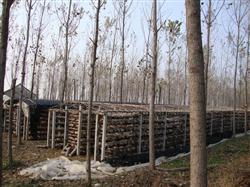
Key Techniques for Summer Cultivation of Black Wood Ear (Auricularia heimuer) in Forest Intercropping
How do you cultivate black wood ear in forest intercropping in summer? Please provide guidance. Under normal conditions, black wood ear grown in forest intercropping should produce 3 flushes. However, at present, after some first-flush wood ears are harvested, the bags become infected with contaminant microorganisms before the second flush even emerges, causing reduced yields or even total crop failure in the second and third flushes, which hurts profits. I. Causes of contaminant microorganism infection during flush transition: (1)...
-
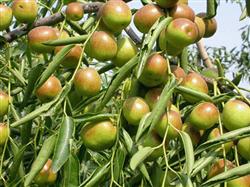
How should winter jujube trees be managed in the early stage?
How to manage winter jujube before harvest? Please give guidance. For the management of winter jujube before harvest, you can refer to the following methods: 1. Loosen the soil and preserve moisture: promptly hoe and loosen the soil, spray 800-fold diluted Xin Gao Zhi Mo solution, so that the soil in the jujube orchard maintains suitable moisture, preventing fruit cracking and improving the yield and quality of winter jujube in the later stage. 2. Prevent damage from wind and rain: winter...
-
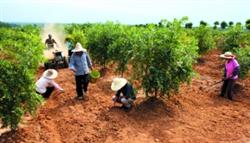
Pest Control Tips and Management Methods for Jujube Trees in Autumn and Winter
How to control pests on jujube trees in autumn and winter? Please provide methods. Pest control on jujube trees in autumn and winter can be carried out with reference to the following methods: 1. Deep plowing of the soil. After the jujube fruit is harvested, promptly deep-plow the soil beneath the trees, generally to a depth of 10-50 cm. This measure can reduce the damage caused by more than 20 species of pests, including the jujube slug moth, jujube gall midge, red spider mite, and peach fruit borer...
-
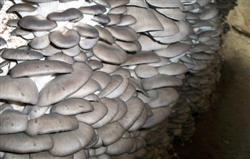
How to Safely Overwinter Oyster Mushrooms Through Summer
How do you get oyster mushrooms through the summer? Please explain: because summer temperatures are high, although the spawn-running period is short and mushrooms grow quickly, pests, diseases and contaminant fungi are highly active and cause serious damage. In production, the following measures are generally taken to help oyster mushrooms safely get through the summer. 1. Outside-ditch soil burial method: In a higher part of the ground outside the ditch, dig a soil pit of unlimited length and width...
-
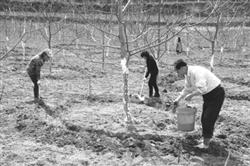
What are the key technical points for managing walnut trees in autumn and winter?
How should walnut trees be managed well in autumn and winter? Please give guidance. Autumn and winter management of walnut trees mainly includes soil, fertilizer and water management, as well as pruning and freeze protection. For detailed operations, you can refer to the following methods: Soil, fertilizer and water management for walnut trees in autumn and winter: For non-bearing trees, after leaf fall and before the soil freezes, deep-till the soil and build tree basins, generally to a depth of 20-25 cm. The base fertilizer should mainly be decomposed organic fertilizer, with an application rate of 25-50 kg per tree, and 2-5 kg of superphosphate can also be added. When fertilizing, the ring trench method can be used, that is, dig a ring-shaped trench 20-40 cm wide and about 30 cm deep around the outer edge of the canopy, placing topsoil and subsoil separately. After digging, put the fertilizer in, then fill in topsoil and mix evenly, and finally fill in an appropriate amount of subsoil to level with the original ground surface.
-
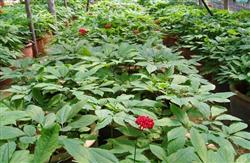
What are the management methods for ginseng in autumn, winter and spring?
How should ginseng be managed in autumn, winter and spring? Please explain the methods. Autumn, winter and spring are the overwintering dormancy period for ginseng, and field management during this stage is an important production step that cannot be ignored. The main tasks are cold protection and moisture conservation, and the key management points are: sealing the beds in autumn, allowing snow cover in winter, and digging drainage ditches in spring. Applying cold-protection soil in autumn...
-
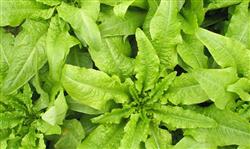
Lettuce Cultivation Techniques: How to Fertilize Lettuce in Autumn and Winter?
How to Fertilize Lettuce in Autumn and Winter? Please Give Guidance. For planting lettuce in autumn and winter, you can refer to the following methods for fertilizing. I. Fertilization Principles for Autumn and Winter Lettuce: 1. Apply more organic fertilizer, control nitrogen fertilizer, and apply more phosphorus and potassium fertilizer; 2. The fertilizer distribution method is mainly a combination of basal and topdressing; topdressing is mainly nitrogen fertilizer...
-
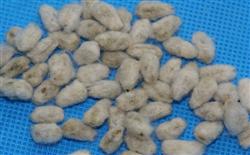
What are the methods for storing cotton seeds in winter?
How should cotton seeds be stored in winter? What should be noted? Please provide methods. For winter cotton seed storage methods, refer to the following list: 1. Preparation of cotton seeds. First, select plump and mature cotton seeds. Plump and mature cotton seeds have a dense and hard seed coat structure, with a waxy outer layer that can defend against the influence of external temperature and humidity. The seed coat contains about 7.60% tannic acid substances, which have a certain antibacterial effect and good storability. Immature cotton seeds do not store well.
条件筛选