Reasons Why Winter Jujube Bears No Fruit and Management Measures
Why does the winter jujube bear no fruit? Please explain the reasons and solutions. The main factors for the winter jujube bearing no fruit are the following 3 causes: 1. Too little fertilizer applied the previous year, especially insufficient application of organic fertilizer. Because the bud stage of the winter jujube tree is also the period of rapid growth of the fruiting branches, and when it enters the initial flowering stage the jujube heads grow very vigorously, during a period when several organs of the winter jujube tree are simultaneously in a vigorous stage of growth activity, the phenomenon of competing for nutrients will occur...
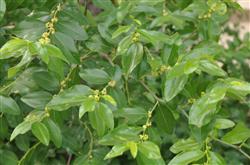 Why does the winter jujube bear no fruit? Please explain the reasons and solutions.
The main factors for the winter jujube bearing no fruit are the following 3 causes:
1. Too little fertilizer applied the previous year, especially insufficient application of organic fertilizer
Because the bud stage of the winter jujube tree is also the period of rapid growth of the fruiting branches, and when it enters the initial flowering stage the jujube heads grow very vigorously, during a period when several organs of the winter jujube tree are simultaneously in a vigorous stage of growth activity, the phenomenon of competing for nutrients will occur. And the winter jujube tree, from sprouting to fruit set, mainly consumes the nutrients stored in the tree body, that is, the nutrients produced and stored in the trunk, branches and roots the previous year. Therefore, if insufficient fertilizer is applied the previous year, it will cause insufficient stored nutrients, weak tree vigor, and a prominent contradiction between nutrient supply and demand, thus leading to little or no fruit set in the current year.
2. The influence of the fruit set rate of the previous year
If too much fruit set the previous year and no flower or fruit thinning was carried out, combined with insufficient fertilizer, the nutrient consumption will be too great, and the tree body will not have stored enough nutrients to meet the growth needs of the coming year, leading to little or no fruit set, and thus causing the phenomenon of alternate bearing.
3. Caused by weather conditions
The full flowering stage of the winter jujube is from early June to early July. During this period the climate is dry and the relative air humidity is low, which will reduce the pollen germination rate and cause poor fertilization, thereby affecting fruit set. High temperature and low humidity with dry hot winds will cause a large amount of water loss and withering of the jujube flowers, reducing the fruit set rate. Low temperature and continuous rainy weather will also affect fruit set, while weather with "light rain followed by clearing" during the flowering stage is favorable for fruit set.
To solve the problem of the winter jujube bearing no fruit, you can refer to the following methods:
1. Rational fertilization. During the dormant period of the jujube tree, apply heavy organic fertilizer; before sprouting, at the initial full flowering stage and during the rapid fruit swelling stage, appropriately apply inorganic fertilizers such as urea and diammonium phosphate and carry out foliar spraying to ensure the needs of normal nutritional and reproductive growth of the tree body.
2. Rational flower and fruit thinning. Although implementing technical measures to increase the fruit set rate lays the foundation for a high yield, excessive fruit set beyond the tree's load capacity will not only affect the fruit quality of the current year but also affect the growth of the fruit tree the following year. During the flowering stage, thin out some weak flowers; during the fruit set stage, repeatedly shake the fruiting base branches to thin out the part of the jujube fruits that are not firmly set and that later fall off on their own due to insufficient nutrients, then thin out the remaining jujube fruits as well. Remove cracked fruits that are damaged by pests, irregular in shape, or poorly grown, and keep the good fruits in the middle and upper parts of the fruiting branches. The amount of fruit retained should be controlled at a fruit-to-fruiting-branch ratio of 1-1.2, which is basically one fruit per fruiting branch. If fruit set is uneven, an appropriate number of two fruits on a single fruiting branch may be retained to ensure the yield of the winter jujube.
3. Pinching and bud removal. By pinching the jujube heads to control growth, nutrient consumption can be reduced, which is beneficial to flower bud differentiation and improves the fruit set rate. For the newly grown jujube heads of the current year that are in a poor position, affect the growth of other branches and have no room for development, they should be thinned from the base to reduce nutrient consumption, thereby improving the ventilation and light transmission conditions of the canopy, increasing the photosynthesis of the whole tree, and increasing the accumulation of nutrients.
4. Other management: increased application
Water spraying during the flowering stage: spraying water during the flowering stage can increase air humidity, reduce scorched flowers, help pollen germination and pollination, and improve the fruit set rate. The water spraying period is from the initial flowering stage to the full flowering stage. The best time to spray water is in the evening, because in the evening the humidity drops and the evaporation rate is low, so the air humidity can be maintained for a long time, providing good conditions for pollination. The number of water sprayings depends on the weather. In dry years it should be sprayed several more times, generally 3-4 times is appropriate.
Bee release during the flowering stage: where conditions permit, releasing bees during the flowering stage can increase the fruit set rate by more than 1 time and increase the yield by 20%-30%, and the closer the jujube trees are to the bee hive, the better the pollination effect.
Spraying micro-fertilizers during the flowering stage: spraying micro-fertilizers such as boron and zinc during the flowering stage can increase the fruit set rate. Boron and zinc are indispensable trace elements for plant growth. Boron can promote the elongation of the pollen tube, which is conducive to fertilization.
Click to get more jujube tree planting techniques
Click to get more fruit planting techniques