-
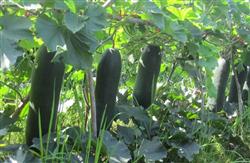
What are the cultivation methods for black-skinned winter melon?
How do you grow black-skinned winter melon well? Is there detailed technology to refer to? Black-skinned winter melon likes warmth and tolerates heat, with an optimum growing temperature of 22-28°C. Winter melon is not strict about light; if seedlings are kept at around 16°C with 11 hours of sunlight, they flower early and the female flower nodes are low. Winter melon has a well-developed root system and strong absorption capacity...
-
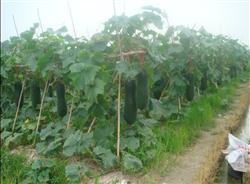
What should be noted when growing winter melon?
What should be noted when growing winter melon? Please provide guidance. When growing winter melon, note the following key points: 1. Soil selection. For growing winter melon, choose a well-drained, deep, fertile sandy loam or clay loam, with a previous crop field where no cucurbit crops have been grown for more than three years; a previous rice crop is even better. 2. Timely sowing. In the Guangzhou area, winter melon cultivation is divided into spring planting and autumn planting, with spring planting being more common, generally sown in January-February. Under the premise of taking cold-protection measures for winter melon seeds, early sowing is better than late sowing, so in recent years it is mostly sown in early to mid-January, which can extend the growth period, especially the vegetative growth period, so that winter melon sets fruit around the rainy season when air humidity is relatively high and the temperature is above 20°C. Autumn-planted winter melon is generally sown around Minor Heat (early to mid-July).
-

What are the methods to prevent black-skinned winter melon from cracking?
What methods can prevent black-skinned winter melon from cracking? Which methods are the most effective? To prevent black-skinned winter melon from cracking, you can refer to the following methods: (1) Choose crack-resistant varieties; (2) In rainy areas or rainy seasons, use deep furrows with high beds or ridge-based trellis cultivation; (3) Apply more organic fertilizer to increase the soil's permeability and water-holding capacity, so that the soil supplies water evenly, promoting vigorous plant growth, and prune promptly so that the fruit develops normally;
-
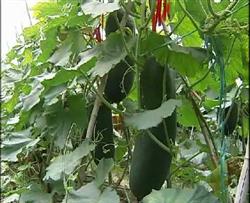
Guide to Topdressing Methods and Key Techniques for Winter Melon
How should topdressing be carried out for winter melon? Please give guidance. When topdressing winter melon, attention should be paid to the rational combination of nitrogen, phosphorus and potassium. If the plants are growing vigorously, topdressing can be reduced or omitted. If the leaf color is pale or yellowing, topdressing should be applied promptly. In the early growth stage of winter melon, topdressing should be reduced. Around the opening of female flowers, water and fertilizer should be controlled. After 1 to 2 fruits have set...
-
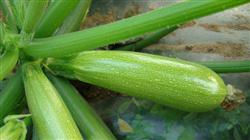
What are the key points for growing zucchini in winter and spring?
What should be noted when growing zucchini in winter and spring? Please give an introduction. When growing zucchini in winter and spring, pay attention to the following aspects: 1. Choose good varieties. For spring zucchini, choose varieties that are tolerant to low temperatures, early maturing, high yielding and disease resistant, such as Mosaic zucchini, Zaoqing Yidai, Yinqing Yidai, Golden Coral, Qishan No. 2, Zhangxuan No. 1, Black Beauty, etc...
-

Cabbage Planting Methods and Management Points for Autumn and Winter
How to plant cabbage in autumn and winter? Please advise on planting techniques. For planting cabbage in autumn and winter, you can refer to the following methods: 1. Varieties: For autumn cabbage harvested within the year, generally choose flat-head types, such as Meimao No. 2, Chuncai, Lushen, Qiangli 60 and other varieties. For cabbage overwintered and delayed for harvest, generally choose...
-
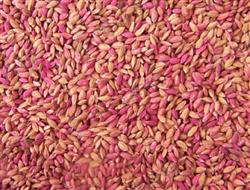
What seed treatment methods are there for winter wheat before sowing?
How should winter wheat seeds be treated before sowing? Please advise. Wheat seeds can be treated as follows before sowing: Seed treatment is mainly for the prevention and control of pests and diseases: before sowing, dress the seeds according to the pest and disease situation of the previous crop. For example, where wheat root disease is severe, 2% Raxil wet seed dressing agent can be used, dressing seeds at a ratio of 1:800 (agent to seed), which can prevent both wheat root disease and wheat smut, bunt, etc.; or dress seeds with 40% isofenphos-methyl plus 15% triadimefon. Where underground pests are severe, 50% methamidophos emulsifiable concentrate or 0.5 kg of 5% phoxim can be used, mixed with 50 kg of water for seed dressing.
-
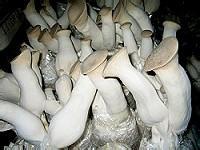
Advance preparation of raw materials is needed for winter and spring cultivation of king oyster mushrooms
King oyster mushroom (Pleurotus eryngii), also known as xuerong, is a high-quality large fleshy agaric. The king oyster mushroom has a thick, plump stalk, a crisp and tender texture, and a delicious flavor, and can be called the "king of oyster mushrooms." It is rich in nutrients and high in oligosaccharides, with effects on intestinal regulation and beauty. It is suitable for fresh preservation or drying and is highly favored by consumers...
-
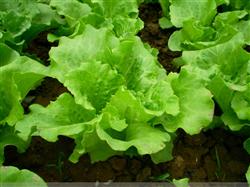
What are the precautions for growing lettuce in winter?
What should be noted when growing lettuce in winter? Please give an introduction. The following points should be noted when growing lettuce in winter: 1. Variety selection: choose medium-to-late maturing heading lettuce varieties with strong cold resistance for cultivation. 2. Cultivation date: for solar greenhouse cultivation, planting can be done from mid-to-late November to late January of the following year, with harvest from early-to-mid January to March...
-
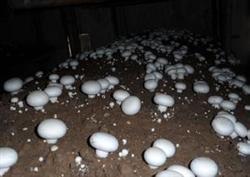
Detailed Explanation of Key Management Points for Button Mushroom (Agaricus bisporus) Autumn-Winter Mushroom Shed
Preventing spawn degeneration can increase yield, reduce the occurrence and development of pests and diseases, and decrease pesticide use, which is the foundation for producing organic button mushrooms. 1. The environmental temperature for culturing spawn must not exceed 28°C, and properly cultured spawn should not be stored at room temperature for more than half a month. 2. Effectively master the medium's...
条件筛选