-
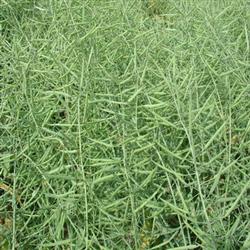
Correct Methods and Technical Key Points for Fertilizing Winter Rapeseed
Rapeseed "flowering but not seeding," also known as stunted non-seeding. That is, from the onset of the disease in the plant until maturity, it continues to bloom successively, but cannot set seed normally. It is a physiological disease caused by planting rapeseed on boron-deficient soil, mainly occurring in Brassica napus varieties, but in recent years it has also been found in Brassica rapa rapeseed. After the disease occurs...
-
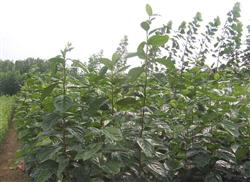
What are the methods for safely overwintering young persimmon trees?
Young persimmon trees have poor cold resistance and often suffer from winter dieback of shoots, so effective measures must be taken to ensure their safe overwintering. 1. Water early with frozen water. In mid-to-late October before the persimmon trees shed their leaves, irrigate fully with frozen water; a few days later, plow, turn and harrow the soil, which can reduce the frozen layer and ensure the roots' water needs. 2. Mound soil for cold protection. Before the freeze...
-
Detailed Explanation of Asparagus Intercropping and Relay Cropping Vegetable Cultivation Techniques
Asparagus brown spot disease is an important disease affecting asparagus quality and yield, and it occurs commonly in various regions. 1. Pathogen: Asparagus brown spot disease is caused by infection by fungi of the genus Cercospora in the Deuteromycotina. 2. Symptom identification: When plants are affected, stems, lateral branches, and cladodes all suffer damage; diseased leaves turn yellow, dry up, and fall...
-
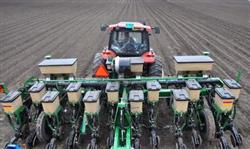
Detailed Explanation of Key Technical Points for Relay-Intercropping Corn Sowing
Improving sowing quality: To ensure full stands and strong seedlings of corn, generally apply 5 kg of diammonium phosphate and 1 kg of zinc sulfate per mu as seed fertilizer. Before sowing, spread out heaps of wheat straw evenly so as not to affect sowing and seedling emergence. When sowing, pay attention to the operating speed of the seeder to prevent missed sowing or sowing seeds on wheat stubble. Try to achieve "rows...
-
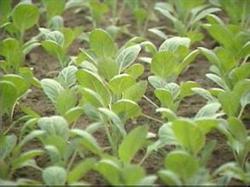
4 Key Technical Points for Raising Spring Cabbage Seedlings in Winter
Spring cabbage is a type of vegetable crop with a relatively large planting area in the vegetable-producing regions of the central and southern parts of our province. Spring cabbage production has the characteristics of low input, saving labor and effort, and high yield. Right now, the golden season for raising early spring cabbage seedlings has arrived again. Below, the key technical points for raising spring cabbage seedlings are introduced for everyone's reference: 1. Suitable...
-
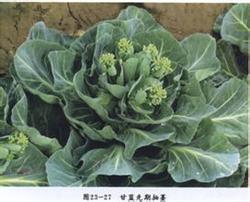
Detailed Explanation of Cabbage Seedling-Raising Techniques for Summer-Autumn and Overwintering
Late-sown overwintering cabbage cultivation is generally raised as seedlings in September and planted in November on late-crop plots such as cotton, rice, orchards or sweet potato land. It is harvested in mid-April. The income is generally 3000 yuan per mu. The returns are relatively good, and it is welcomed by many growers. From sowing to harvest, it passes through a long period of low temperature, and premature bolting is likely to occur...
-

Main Pests of Overwintering Cabbage and Their Control Methods
1. Nutrient Solution Formula The nutrient solution formula for kale in the Beijing area is the same as that for hydroponic lettuce, so it will not be repeated here. 2. Nutrient Solution Concentration Management Kale has a strong ability to absorb nutrients and requires sufficient fertilizer. The nutrient solution concentration management index is 2.5-3.0 ms/cm, and this concentration can be used consistently from planting to harvest. 3...
-
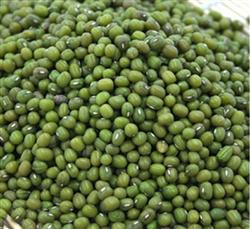
How to prevent pests in mung beans in winter? All the practical remedies are here
Mung bean, also known as green small bean, is named for its green color. It has a cultivation history of more than two thousand years in our country. Because it is rich in nutrients and has many uses, Li Shizhen called it "the best of vegetables." But although it is nutritious and much loved by people, storing mung beans is a headache. Because the originally intact...
-

Appreciation of the winning works of the 2018 Great Wall Cup International Aquascaping Contest
Hello everyone, welcome to watch "Great Wall 36 Stratagems". Great Wall 36 Stratagems is a pet and aquarium expert talent show jointly created by the Great Wall Pet Expo and the Pet Culture Festival. Poop-scooping owners can learn many little skills for serving their "masters" in this column...
-
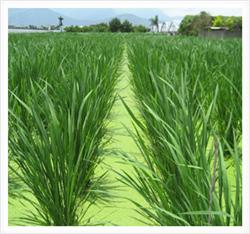
After winter cultivation, water bamboo (Zizania latifolia) has excellent quality and high yield
Water bamboo is a warmth-loving plant that reproduces asexually through tillering and division. Its optimum growth temperature is 10-25°C. It is not tolerant of cold, nor of high temperatures and drought. The frost-free period in cultivation areas must be more than 150 days. After frost, the water bamboo leaves wither and die, and during dormancy it can withstand low temperatures of -10°C. In northern China, where the frost-free period is short, single-crop water bamboo is mainly planted. Single-crop water bamboo is suitable...
条件筛选