How to prevent pests in mung beans in winter? All the practical remedies are here
Mung bean, also known as green small bean, is named for its green color. It has a cultivation history of more than two thousand years in our country. Because it is rich in nutrients and has many uses, Li Shizhen called it "the best of vegetables." But although it is nutritious and much loved by people, storing mung beans is a headache. Because the originally intact...
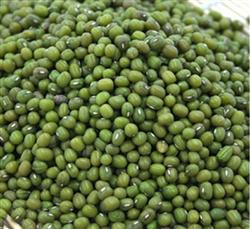
Mung bean, also known as green small bean, is named for its green color. It has a cultivation history of more than two thousand years in our country. Because it is rich in nutrients and has many uses, Li Shizhen called it "the best of vegetables." But although it is nutritious and much loved by people, storing mung beans is a headache. Because if the originally intact mung beans are stored improperly, they are very easily harmed by the mung bean weevil. The mung bean weevil, also known as "bean cow," reproduces quickly and is extremely destructive, causing great harm to mung beans, so the key to safely storing mung beans is to eliminate the mung bean weevil. The reporter interviewed Gao Xiaoli, a doctor of crop cultivation and farming systems and associate professor at the College of Agronomy, Northwest A&F University, who gave several suggestions on how to kill the mung bean weevil in mung beans in winter.
Low-temperature treatment
Using the natural low temperature of severe winter to freeze the larvae to death: choose clear, cold weather after a strong cold wave has passed, spread the mung beans on a concrete yard in a thin layer about 6-7 cm thick, turn them once every 3-4 hours, and at night set up a 1.5 m high canopy cloth, which can both prevent frost and dew and help radiative cooling. After 5 days and nights, remove the dead insect bodies and impurities, take them into storage while cold, close the doors and windows tightly, and the purpose of freezing the larvae to death can be achieved.
Using a refrigerator, freezer or cold storage to kill insects: put the mung beans into a cloth bag, tie the bag mouth tightly, place it in the freezing compartment, control the temperature below -10°C, and after 24 hours the larvae can be frozen to death. This method can also be used for other beans.
Chemical treatment
Aluminum phosphide treatment: at a temperature of 25°C, use 2 tablets of aluminum phosphide per 1 cubic meter of mung beans, fumigate under sealed conditions for 3-5 days, then sun-dry for 2 days and put into a storage bin, fill the surroundings with wheat bran, press tightly, and seal tightly. After about 15 days, the insect-killing rate can reach 98%-100%, and the control effect is the best. In this way, insects and eggs can be killed without affecting the vitality of the mung bean embryo or its edibility. Note that it must be sealed tightly and the storage location must be kept dry.
Alcohol fumigation: pour one liang of alcohol into a small cup, put the small cup into the mung bean bucket, seal it well, and after 1 week when the alcohol has completely evaporated, the small insects can be killed.
Dichlorvos fumigation: put dichlorvos into a small bottle, seal the mouth with gauze, place it on the surface layer of the mung beans, store the mung beans sealed for 5-7 days, then take out the dichlorvos bottle and continue to store them sealed. The insect-killing rate of this method is above 95%. For every 100 kg of mung beans stored, 10 mL of 80% dichlorvos emulsifiable concentrate is needed.
On the issue of storing mung beans after pest elimination, Gao Xiaoli especially emphasized that mung beans after pest elimination must be stored in isolation, with the warehouse sealed well, to prevent external insect sources from laying eggs again and causing harm.