After winter cultivation, water bamboo (Zizania latifolia) has excellent quality and high yield
Water bamboo is a warmth-loving plant that reproduces asexually through tillering and division. Its optimum growth temperature is 10-25°C. It is not tolerant of cold, nor of high temperatures and drought. The frost-free period in cultivation areas must be more than 150 days. After frost, the water bamboo leaves wither and die, and during dormancy it can withstand low temperatures of -10°C. In northern China, where the frost-free period is short, single-crop water bamboo is mainly planted. Single-crop water bamboo is suitable...
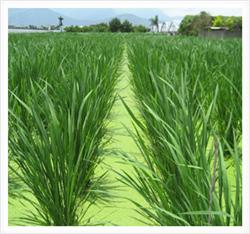 In recent years, aquatic vegetables such as water bamboo have developed rapidly. Some idle riverbank land and shallow ponds, especially some low-lying fields, have been planted with water bamboo, and growing water bamboo has become a good way for farmers to increase income. However, most water bamboo farmers do not pay attention to management, especially management after harvest. Water bamboo fields with proper winter management have fewer pests and diseases the following year, emerge neatly, produce more tillers, have robust seedlings, and have fewer gray plants and male plants, allowing a high yield of high-quality water bamboo to be obtained.
Clean the water bamboo field. After harvesting water bamboo, the gray water bamboo and male water bamboo plants in the field should be dug out promptly, and the residual stumps and old leaves on the old water bamboo clumps should be cut off level with the mud and piled together and burned. This can reduce the base number of overwintering pests and diseases, and cutting level with the mud gives neat bud positions, so the new seedlings that grow out the next year are robust.
Sun-dry the field and re-flood. After the water bamboo harvest, the plants gradually enter dormancy, and the nutrients in the aboveground parts gradually transfer to the underground rhizomes. At this time, sufficient oxygen needs to be supplied to the soil to promote good growth of the underground rhizomes and the winter buds on the stems. Therefore, after harvesting the water bamboo, drain the field water and sun-dry the field, then re-flood after fine cracks appear on the field surface. Re-flooding should be done before frost arrives, generally maintaining the water level at 2-3 cm. After December, the water level can be deepened to 7-10 cm to protect the underground rhizomes so they overwinter safely. In early March of the following year, when the weather turns clear, lower the water level to 2-3 cm.
Scientific fertilization. Between Major Cold and Start of Spring, apply 4000 kg of decomposed human and livestock manure per mu to ensure good quality of the fleshy stems and prevent them from becoming hard. Base fertilizer application must not be later than early March. After the beginning of spring, when the water bamboo seedlings are about 20 cm tall, combine intertillage and weeding with applying 25-30 kg of urea or 40-50 kg of ammonium bicarbonate per mu to promote new buds to sprout.
Fill gaps in clumps and thin seedlings. In late winter and early spring, when the young seedlings on the old water bamboo clumps sprout uniformly, check for gaps and fill in seedlings as early as possible. Where clumps are missing, divide and cut sprouted new seedlings to fill them in; if too many seedlings sprout on the old water bamboo clumps, thin them out, removing some of the small and weak seedlings and keeping robust seedlings of uniform growth.