-

New high-yield insect-resistant cotton variety successfully bred in Anhui
The Cotton Research Institute of the Chinese Academy of Agricultural Sciences recently bred a new cotton variety (Zhongmiansuo 53) in Hefei that can increase yield by 20%. A single cotton plant can bear more than 50 cotton bolls, and the seed cotton yield per mu can reach 751 jin, twice that of ordinary cotton, and it also has stronger insect resistance. At present, Zhongmiansuo 53 has been listed as a subsidized variety for the promotion of improved cotton varieties in Anhui Province in 2007. At the same time, Zhongmiansuo 53 is also a dual-gene transgenic insect-resistant cotton.
-
First domestic producer of insect virus insecticides listed on the New Third Board recently
First domestic insect virus insecticide company recently listed on the New Third Board
-
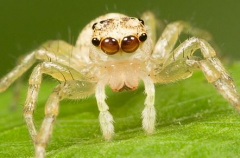
Global insect numbers continue to decline, and many insects are beyond saving from extinction
Global insect numbers are falling rapidly, did you know? A group of international scholars recently published a large-scale study indicating that insect numbers worldwide are declining fast, and if the situation continues, they could become extinct within 100 years, further affecting the food chain and causing a "catastrophic collapse" of natural ecosystems
-
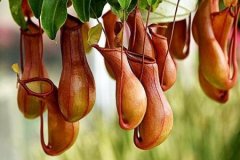
Where Is the Pitcher Plant Native To? Propagation Methods and the Digestion Principle Behind Its Insect-Eating
The main habitat of the pitcher plant is the tropical regions of Asia. Do you know about pitcher plants? Would you like to learn about them? Let's take a look together. How do pitcher plants propagate? Pitcher plants mainly propagate by "cuttings." Taking cuttings of pitcher plants is very easy, and
-
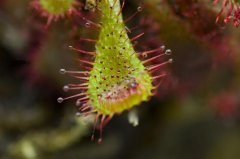
Is the sundew that eats insects a carnivorous plant? A roundup of common carnivorous plants
Carnivorous plants are a relatively little-known group of garden plants. They have insect-eating characteristics that set them apart from ordinary plants, and together with some misunderstandings, do you know which carnivorous plants there are? Pitcher plant: the structure the pitcher plant uses to catch insects is a specialized insect-trapping pouch at the end of the leaf
-
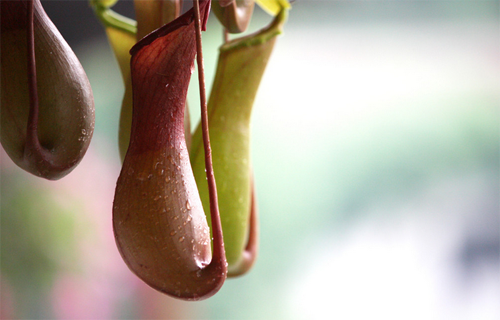
How do you prevent and treat pests and diseases of pitcher plants such as scale insects, leaf spot, and fusarium wilt?
The pitcher plant is so formidable, yet it can still get pests? Isn't the pitcher plant specifically a plant that eats insects? It can even be eaten by insects, and scale insects really are the nemesis of the pitcher plant. What pests does the pitcher plant have? How should they be handled? Fusarium wilt: the leaves and pitchers of a pitcher plant bought not long ago withered, which is usually caused by not adapting to the environment.
-
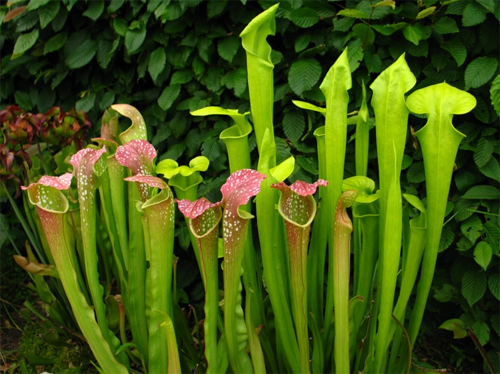
How to grow pitcher plants? Over-catching insects can cause the plant to die
Pitcher plants look just like a pitcher, complete with a lid, and this remarkable pitcher can even catch insects. If you have one at home, it is a natural insecticide, pollution-free. How do you grow pitcher plants? How to grow pitcher plants: they can tolerate high temperatures of 40°C and low temperatures of -10°C, while northern subspecies are even more cold-tolerant
-
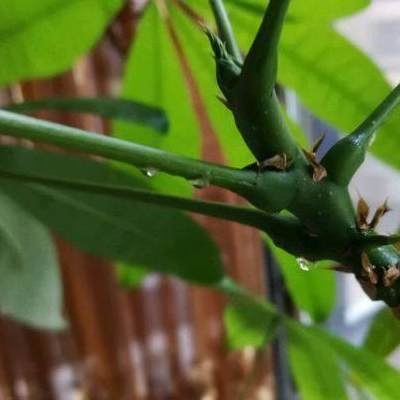
How to deal with sticky sap oozing from a money tree? Learn how to completely wipe out scale insects
Money tree (Pachira aquatica) is a plant many people love to grow, but sometimes things go wrong. How do you deal with sticky sap oozing from a money tree? How do you completely wipe out scale insects? When a potted money tree at home oozes dew-like sticky liquid, shows small white dots and spots on the leaves, what is the cause? The money tree may have been attacked by pests
-
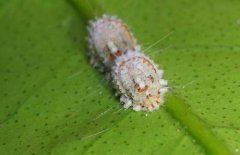
Mealybug Characteristics and Detailed Description of Damage Symptoms
There are many kinds of scale insects. Do you know about the mealybug? What are its damaging habits? What does it look like? Let's take a look together. Damaging habits: It can occur on poinsettia year-round, and infestations are especially severe in poorly ventilated facilities. Many
-
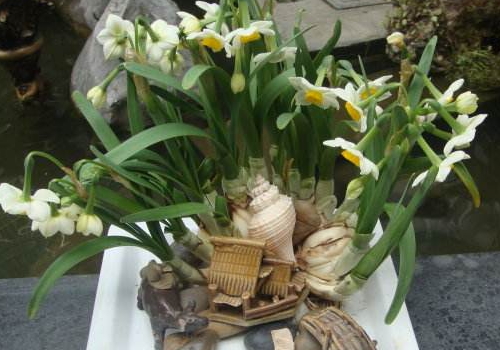
What kind of flower pots are best for growing flowers, and what should you do if small flying insects appear?
Many people have grown flowers, and although it is simple, there are still some things to pay attention to. What kind of pot is best for growing flowers? What should you do if there are small flying insects? What kind of pot is best for growing flowers: ceramic flower pots. Ceramic flower pots are made from various kinds of clay, shaped through processing, and fired in a kiln. Because of different processing methods, they can be divided into: clay pots
条件筛选