-
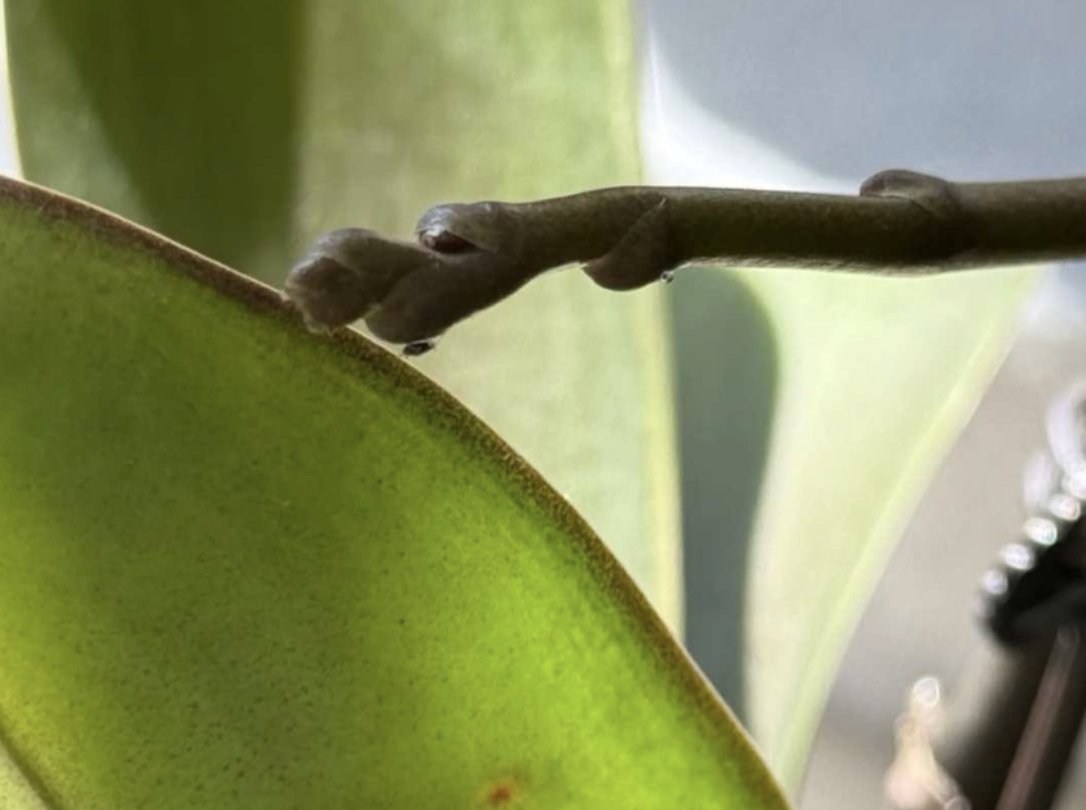
What are the three simplest methods to deal with mealybugs on butterfly orchids?
In recent years, butterfly orchids have become incredibly popular worldwide, with many people keeping one or two pots as a trend. However, while buying them is
-

The Harm Caused by Mealybugs on Christmas Cactus and How to Deal With Them
While caring for Christmas cactus, you may run into a troublesome pest: mealybugs. These tiny insects cluster densely on the leaves of the Christmas cactus, not only ruining its looks but also potentially seriously harming the plant's health. This article explains in detail how to identify mealybugs, the harm they cause, and an efficient, thorough
-

What are the control methods for pineapple mealybug
The scientific name of the pineapple mealybug is Dysmicoccus brevipes (Cockerell), belonging to the order Homoptera, family Pseudococcidae. Dysmicoccus neobrevipes is the most commonly seen. Damage symptoms: adults and nymphs damage the rhizomes, leaves, fruits and seedlings of pineapple by sucking their sap. Affected leaves first show symptoms starting from the lower part,
-
What to Do If Your Radermachera Sinica Gets Mealybugs? Detailed Control Methods
Radermachera sinica is a plant that loves warmth and humidity, also known as the chili tree, mountain bean tree, jiegu liangsan, lubao, etc. So what should you do if your Radermachera sinica gets mealybugs? 1. Basic Introduction to Radermachera Sinica. Radermachera sinica is a plant of the Bignoniaceae family and the genus Radermachera, native to Taiwan, China, Guangdong,
-
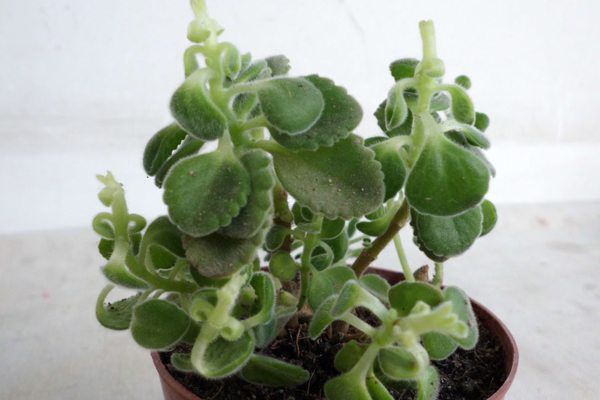
How to effectively prevent and control mealybugs on Cuban oregano
What to do when Cuban oregano gets mealybugs
-
Mealybug Characteristics and Detailed Description of Damage Symptoms
There are many kinds of scale insects. Do you know about the mealybug? What are its damaging habits? What does it look like? Let's take a look together. Damaging habits: It can occur on poinsettia year-round, and infestations are especially severe in poorly ventilated facilities. Many
-
Occurrence and Control Methods of the Comstock Mealybug in Pear Orchards
(1) Occurrence patterns The Comstock mealybug belongs to the order Homoptera, family Pseudococcidae. Also known as the pear mealybug, plum mealybug, and mulberry mealybug. It generally produces three generations per year, overwintering as eggs and nymphs in hidden places such as cracks in the rough bark of tree trunks, bagged diseased and pest-infested fruits scattered in the orchard, weeds around the root zone, soil clods, and fallen leaves. Adults and nymphs suck the sap of tender buds, tender shoots, and fruits. Before bagging, it mainly damages tender buds and tender shoots, causing leaves to twist, swell, and shrivel, leading to branch dieback. After bagging, it burrows into the bags to damage the fruit, gathering in the calyx depression and stem depression, secreting white wax powder, contaminating the fruit, and sucking
-
Control Methods and Technical Key Points for the Jujube Mealybug on Jujube Trees
(1) Manual and physical control. Bark scraping: During winter and early spring, scrape off the old coarse bark on the trunk, branches and forks and burn it in a centralized manner; spray the whole tree with 3-5 degrees Baume lime sulfur mixture, or apply a sticky insect glue ring about 1-2 cm wide on the main trunk and branches, to prevent the insects from climbing up the tree and from moving from concentrated overwintering branches to non-concentrated overwintering branches to cause damage, and to trap and kill some of the pests. (2) Chemical control. The application time should be chosen during the peak hatching period of the newly hatched nymphs, generally from late May to early June, early to mid-July, and early September. The selected pesticides include: 25% buprofezin
-
Occurrence and Control of the Comstock Mealybug in Bagged Pear Orchards
One of the main pests that enter the bag. The calyx depression and stem depression are the most severely affected. Purple-red halos appear at the damaged spots, growth stops, and deformed fruit forms; in severe cases, the fruit surface cracks and dries up. This pest generally has 3 generations per year, mainly overwintering as eggs or 1st to 2nd instar nymphs on branches and mummified fruit, with a few overwintering as fertilized females; when the pear tree buds in the following spring, the eggs hatch into nymphs. Activity begins in April of the following year, the first generation reproduces in May-June, the second generation in July-August, and the third generation in September-November. Pesticides with good control efficacy against this pest include 40% omethoate
-
What are the control methods for the Comstock mealybug on golden-leaf privet?
In Hengshui, Hebei, golden-leaf privet once suffered damage from the Comstock mealybug, which at the time caused the death of large patches of golden-leaf privet. Through research and control efforts in recent years, good results have been achieved. The control experience is summarized as follows: The Comstock mealybug (Pseudococcus comstocki) is also known as the mulberry mealybug. Its eggs are generally laid between the leaf stalk and the branch, oval in shape, light orange-yellow, with dozens of them gathered into a mass, forming a white flocculent egg sac. It produces 3 generations per year. The peak occurrence period of the first-generation nymphs is mid-to-late May, the second generation peaks in mid-to-late July, and the third generation peaks from late August
条件筛选