-

A Grand Roundup of Carnivorous Plants: Get to Know These Amazing Insect-Catching Plants
In nature, there are many plants that are insects. Do you think that's amazing? So, do you know what plants eat insects? Below is a small series for you to take stock of some amazing carnivorous plants. I hope everyone likes them. Sundew, also known as golden thread, white flower leaf, summer without trace, pepper grass, mountain pepper
-
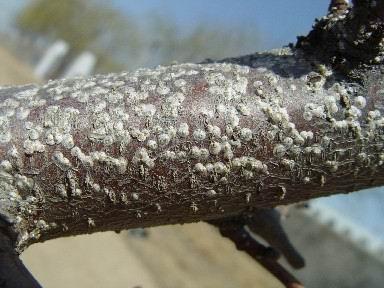
Scale insect species identification sources and whether plant scale insects parasitize and harm humans?
Scale insects are small insects and one of the pests most hated by many fruit growers and flower enthusiasts. They mainly harm fruit trees and forest trees and are one of the most common pests on ornamental flowers. Their reproductive capacity and resistance to pesticides are both very strong, making them generally difficult to control or eradicate. Where do scale insects come from?
-
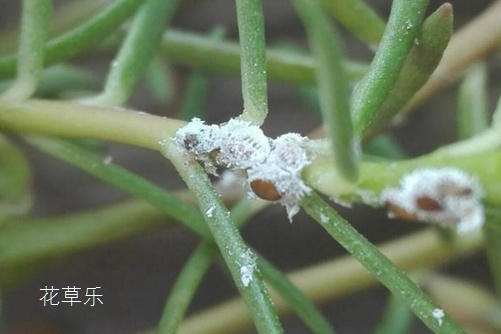
How to treat moss rose infested with scale insects without pesticides? Seven clever tricks to help you eliminate them
Moss rose (Portulaca grandiflora) is a perennial flower of the purslane family, Portulacaceae, genus Portulaca, and an annual succulent herbaceous plant. The plant grows 10-15 cm tall. The petals are brightly colored, in white, deep yellow, red, purple and other colors. There are many horticultural varieties, divided into single-petaled, semi-double-petaled and double-petaled types. It likes a warm, sunny and dry environment
-
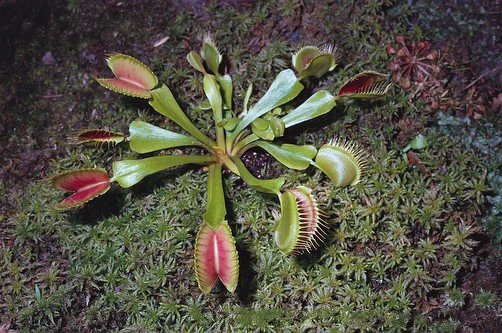
Do carnivorous plants that can eat insects really exist?
There are about 300 species of insect-eating plants in the world, and more than 30 species in our country. Insect-eating plants all seem to be very sensitive. Take the pitcher plant (Nepenthes): at the tip of its leaf there is a pouch shaped like a jar, and from the bottom of the jar flows sweet, fragrant nectar, while the mouth of the jar has a lid. When a greedy little insect crawls into the jar,
-

Plant records: Pyrethrum is the most famous insecticidal plant
Pyrethrum is a perennial herbaceous plant in the Asteraceae family, with the understated elegance, freshness and distinctiveness typical of Asteraceae plants. Yet this beautiful plant happens to be a deadly nemesis of mosquitoes and other pests. It turns out that pyrethrum contains pyrethrin and cinerin; pyrethrin, also known as pyrethroid, is a colorless, viscous oily liquid
-
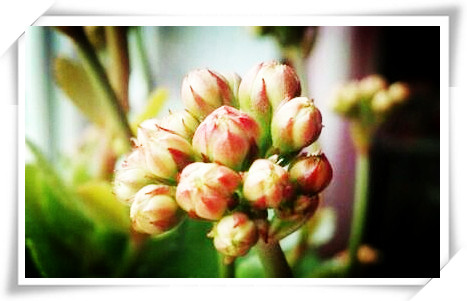
Pest and disease control techniques for aphids, red spiders, scale insects, damping-off, rust and powdery mildew on flowers
In spring, the temperature turns warm then cold again, and the air humidity is high. At present, the occurrence of crop pests and diseases is at a moderate to severe level, and flowers also suffer from many pests and diseases. Generally, the following are more serious in April and May: damping-off, when the temperature reaches 20°C
-

Table of insecticides, fungicides and herbicides for 30 common crops including rice, wheat and cotton
During the growing process, crops need different insecticides, fungicides and herbicides. Isn't it a hassle to always wait until you need them before looking up which pesticide to use? Here are the insecticides, fungicides and herbicides for 30 common crops, so save them now! 1. Rice (1) Insecticides: methoxyfenozide; nitenpyram
-
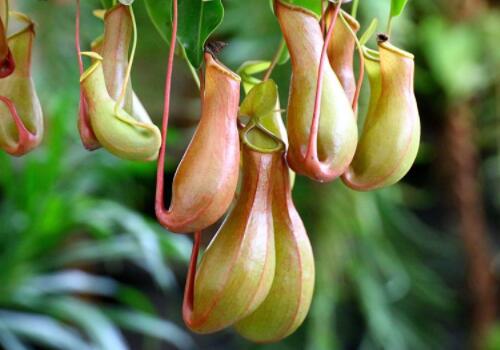
Can Nepenthes be kept at home? Toxicity, why it eats insects, and how to sow seeds
Nepenthes is the collective name for all species in the genus Nepenthes. Also called pitcher plant, monkey cup, monkey jar, piglet cage, and Leigong pot, it is a tropical insectivorous plant. So can Nepenthes be kept at home? Is it toxic? Why does it eat insects? How do you plant the seeds? From Nepenthesaceae information we learn
-
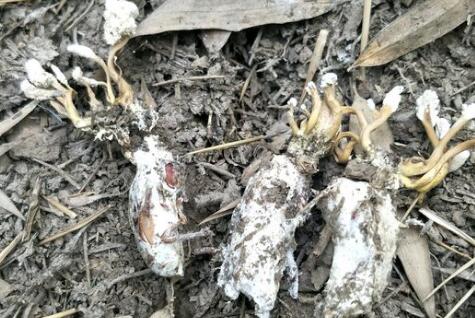
Efficacy and Effects of the Golden Cicada Flower Insect-Fungus Complex and Whether a Single Dose Can Treat Kidney Disease
Golden cicada flower, commonly known as large cordyceps, cicada pupa grass, cicada mushroom, crown cicada, Hu cicada, tiao, Tang tiao, Tang cicada, is like cordyceps sinensis also an insect-fungus complex. Some people believe that eating golden cicada flower has an immune-regulating effect. So what are the efficacy and effects of golden cicada flower? How much to eat at one time? Can it treat kidney disease? What is golden cicada flower
-
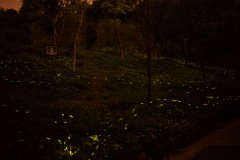
Are fireflies beneficial insects or pests? Where can you see them, and why is the environment causing their numbers to decline?
Fireflies are beneficial insects. Fireflies are environmentally sensitive insects, extremely attuned to changes in the natural environment. Their numbers are now declining more and more, and they can only be seen in environments with mountains and water that are clean and pollution-free. Zhang Mingzhong, deputy director of Dongshi Forest Farm, said that because
条件筛选