-
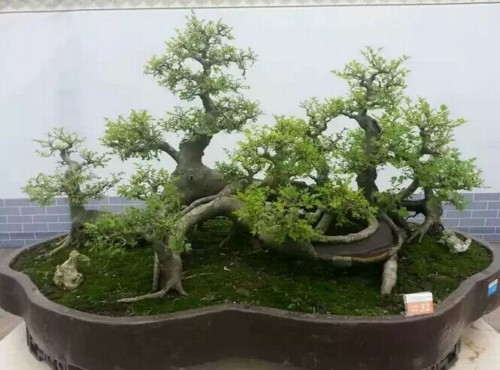
What are the layout methods for forest bonsai? A detailed guide
The layout of forest bonsai is extremely important; it is the key to the success or failure of creating a forest-style bonsai. Several trees that have undergone soil removal are arranged in the pot on a trial basis, and through observation, deliberation, and adjustment of the trees' positions, you achieve a clear distinction between primary and secondary, appropriate spacing and density, and varying heights.
-
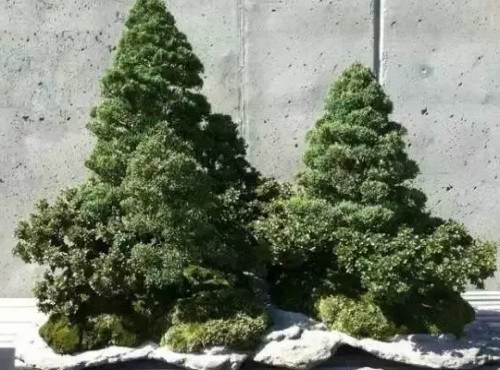
A detailed guide to making forest-style bonsai, easy for beginners to learn
Forest-style bonsai mainly reflects the composite image of the beauty of a group of trees. Although the selection of plant forms is not as strict as with other bonsai, the image of group beauty is expressed through the combination of individual trees. Therefore, each tree in a forest-style bonsai must also be able to show its individual beauty within a unified composition.
-
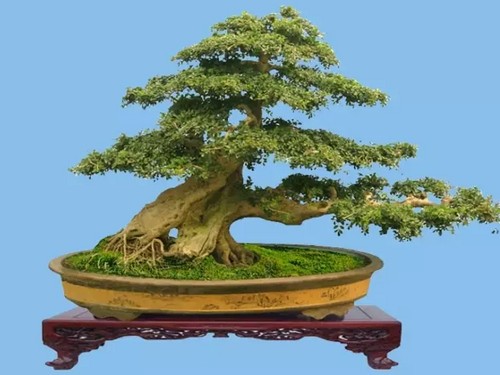
How to make a Fraxinus hupehensis forest-style bonsai
A Fraxinus hupehensis forest-style bonsai is made by planting multiple specimens together in one pot, so that they set each other off and form an artificial natural community, recreating the beautiful scenery of a sea of trees. It wins by the overall beauty of the natural combination, rather than displaying the individual characteristics of each tree
-
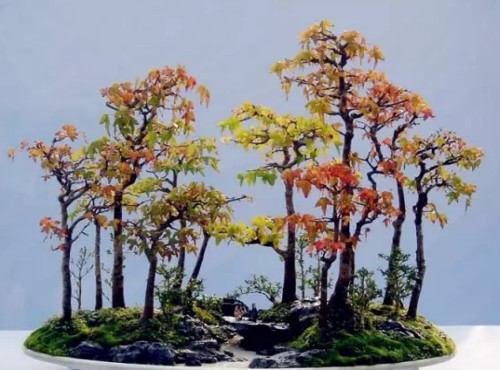
Four taboos to remember when making and caring for forest-style bonsai
Among bonsai there is a special form of presentation called the forest style. This form of bonsai cleverly combines mountains, stones and trees to fully reveal the beauty of a forest, like a beautiful landscape painting. But in the process of making and caring for forest bonsai, there are four taboos to observe. First taboo: one-size-fits-all. The materials used for forest-style bonsai are generally small-leaved shrubs
-
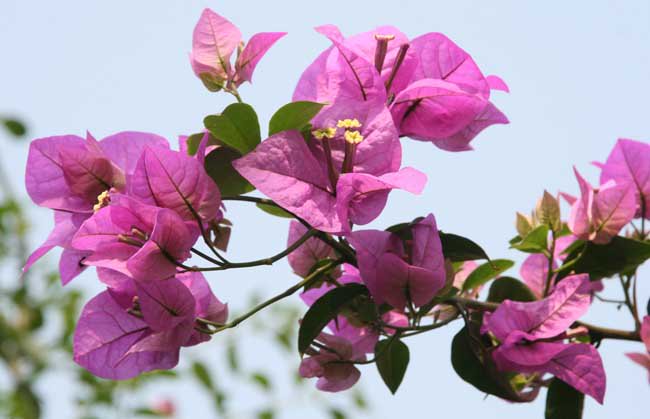
Tropical Rainforest Animal-Plant Coevolution as Seen Through the Ways Plants Disperse Their Seeds
All species on Earth have gone through the processes of origination, reproduction and evolution over the past 3.5 billion years, and some of them interacted with one another during evolution, and it is precisely this interaction that makes the natural world we see today not merely a collection of independent species
-
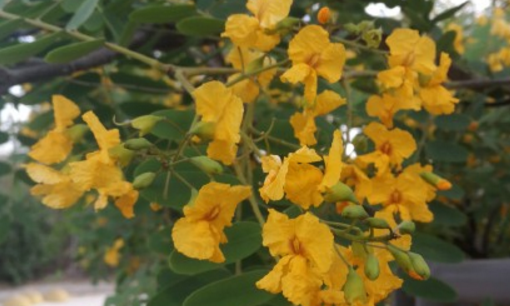
Senna surattensis (cloud-forest senna) seed planting method, benefits and uses, and differences from Senna bicapsularis
Senna surattensis is also known as huanghuai, golden phoenix tree, bean pagoda tree, golden medicine tree, and powdery-leaved senna. So how do you plant Senna surattensis seeds? What benefits and uses does it have? And how does it differ from Senna bicapsularis? According to available information, Senna surattensis is a plant that quite likes light, can tolerate partial shade, and prefers hot and humid climates.
-
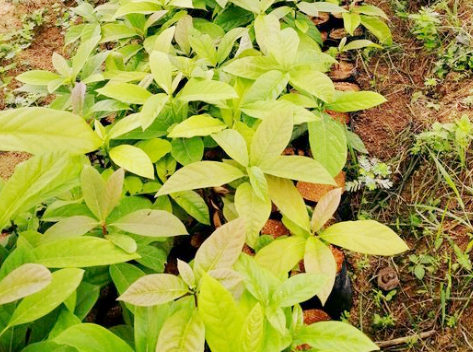
Introduction to the Cultivation Methods of Forest Cream Avocado
Avocado is also called oil pear and so on. Because of its good taste and high nutritional value, and its certain effects of strengthening the stomach and clearing the intestines and lowering cholesterol, it is liked by some people. Its planting prospects are very promising, and many growers also want to plant it. So the editor will introduce the avocado cultivation methods to everyone: Seedling raising
-

How to classify and manage cotton during the flowering and boll stage? Jinnan District Agriculture and Forestry Bureau reminds cotton farmers
The period from when 50% of cotton plants flower to when 50% of cotton plants mature and open their bolls is called the flowering and boll stage. Cotton in Tianjin generally enters the flowering and boll stage in early July and finishes at the end of August. This period is the key period that determines cotton yield, and cotton farmers are urged to pay attention to the growth trend of cotton in the field and adjust technical management measures at any time. According to Gao Qingming and others of the Cotton Research Institute of the Hebei Academy of Agriculture and Forestry Sciences, based on morphological indicators such as cotton plant growth during the flowering and boll stage, cotton fields are classified into 4 grades: excessive vegetative growth, robust, ordinary, and weak. The main indicators of the 4 grades are as follows: ①
-
How to manage cotton during the flowering and boll-setting stage? Jinnan District Agriculture and Forestry Bureau reminds cotton farmers to master the techniques
The flowering and boll-setting stage of cotton in Tianjin generally begins in early July and ends at the end of August, lasting 55 days. According to surveys, most of the cotton fields in our district have entered the flowering and boll-setting stage. Field management during the flowering and boll-setting stage is very important. This period is when cotton grows and develops most vigorously, and it is a period of intricate and complex contradictions among vegetative growth and reproductive growth, individuals and populations, and the cotton crop and the environment, so it is the period that determines yield. Cotton field management during this period should focus on doing the following key tasks well: 1. Increase potassium fertilizer application. Increasing
-
条件筛选