-

How to Raise Earthworms for High Yield? Five Advanced Breeding Points
I. Staged Feeding. Giving earthworms different breeding management according to their individual developmental stages is the key to whether artificial earthworm breeding can succeed and further achieve high yield....
-

Five key points for autumn fingerling management, farmers need to pay attention
Autumn water temperatures are suitable, making it the peak season for fish growth. Fingerling management should focus on the following 5 tasks. 1. Pond clearing. Transfer the fingerlings to a pond that has been cleared and disinfected for rearing. Where water sources and pond rotation are difficult, all fingerlings can be transferred out temporarily for holding, then the original pond disinfected with quicklime at 75-100 kg per 667 sq m of water surface, and the water fertilized by conventional methods. Wait until the drug effect has dissipated before transferring the fingerlings back. 2. Grading. Since larger fingerlings have a big appetite and strong ability to compete for food, if large and small fingerlings are mixed, the small fish will
-
Five observation points when feeding rabbits
One, look at the rabbit's size. Generally, an adult rabbit weighing about 3.5 kg needs 150-200 g of feed per day; a young rabbit weighing about 1.75 kg needs 100-150 g of feed per day. The ideal moisture level of the feed is when it lightly holds together when squeezed and falls apart when the hand is released. Two, look at whether the rabbit is fat or thin. For fat rabbits, appropriately reduce the amount of concentrated feed and increase green fodder or roughage; for thin rabbits, supplement nutrition and feed more concentrated feed. You can also feed some soaked soybeans, or mash bean dregs, mix them with boiling water, and stir them into the feed for the rabbits. Three, look at whether the feces are dry or wet. If the rabbit's
-
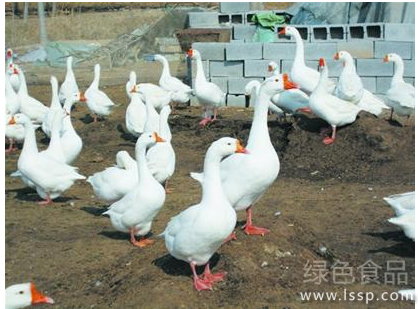
To increase the egg production rate of laying geese, master these five key points
How to increase the egg production rate of laying geese: five key points to master
-
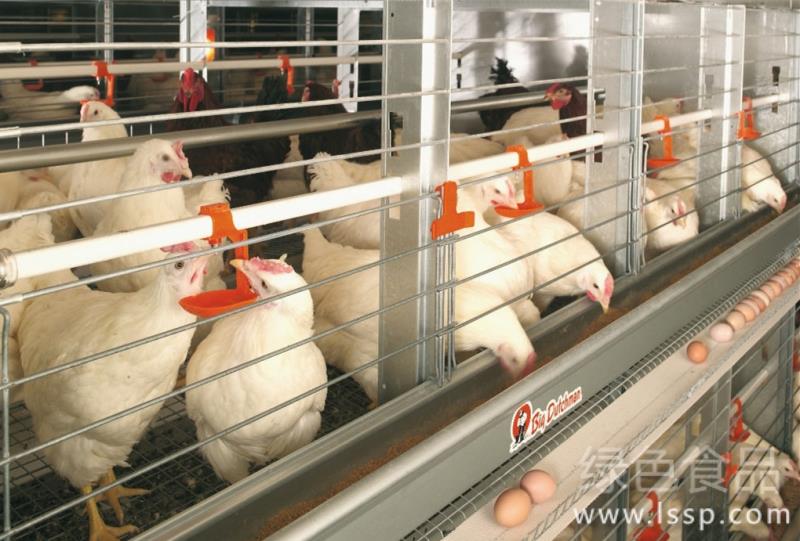
Laying hens have no sweat glands and are prone to heat stress: five key points for prevention and control in summer
Chickens have no sweat glands and are prone to heat stress: five key points for preventing heat stress in laying hens in summer
-
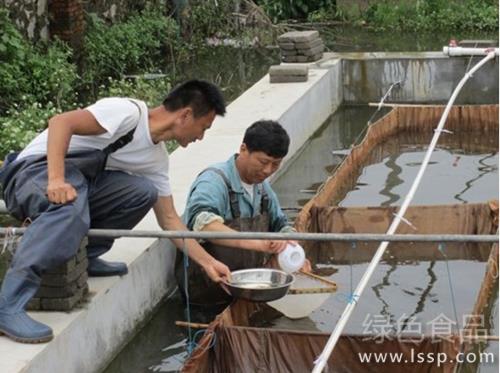
Autumn temperatures and water temperatures are suitable for autumn breeding of fry: pay attention to five seedling-rearing key points
Autumn temperatures and water temperatures are suitable for seedling rearing and autumn breeding of fry: pay attention to five key points
-
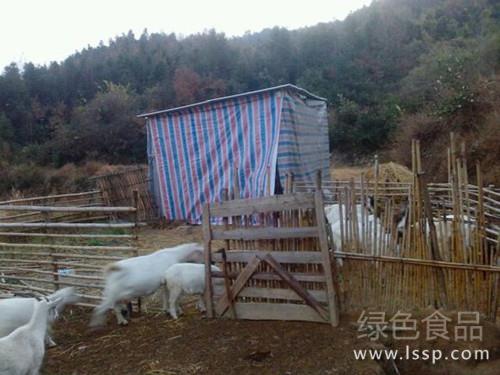
Five key points for raising sheep in winter: keep warm, keep the flock together, keep body condition, keep the pregnancy, keep healthy
Keeping warm, keeping the flock together, keeping body condition, keeping the pregnancy, keeping healthy: the five key points of raising sheep in winter
-
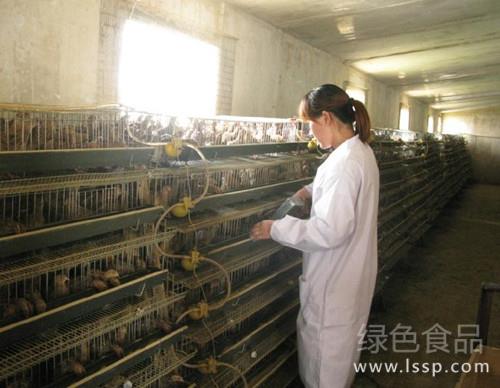
Low winter temperatures affect quail egg production rates; five management points to master
Low temperatures affect quail egg production rates; five key points for winter quail management
-
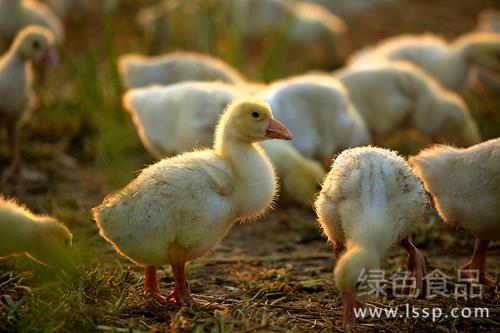
Five points to note in winter fattening of goslings: breed selection, temperature, humidity, first feeding, and disease prevention
Breed selection, temperature, humidity, first feeding, and disease prevention: five points to note in winter fattening of goslings
-
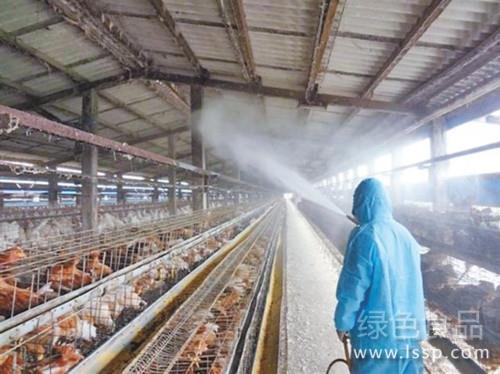
Cold winter weather, dry coops and poor ventilation: five points to note when raising broiler chickens
Cold weather, dry coops and poor ventilation: five points to note when raising broiler chickens in winter
条件筛选