Five key points for raising sheep in winter: keep warm, keep the flock together, keep body condition, keep the pregnancy, keep healthy
Keeping warm:Sheep have strong cold resistance, but in winter the sheep house temperature should not fall below 0°C, the lamb house should not fall below 8°C, and the lambing room is best at 10-18°C. Before winter, repair the sheep house early, make necessary repairs to the roof and walls, and prevent drafts and snow leaks. For outdoor sheep pens, set up a windbreak of corn stalks outside the north wall. For enclosed sheep pens, hang wind-blocking straw curtains at the doorways and windows. For simple sheep-raising greenhouses, extend the eaves forward, set up a plastic warm shed, and cover the top with straw curtains. When it is too cold, light a stove inside the sheep house for warmth.
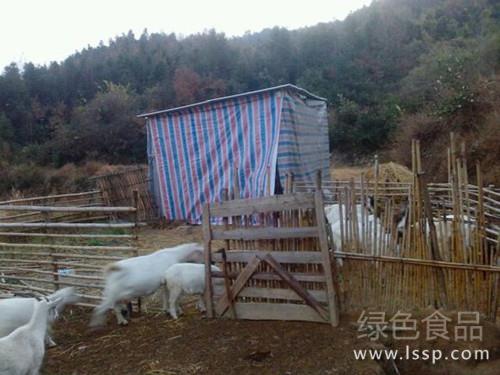
Keeping the sheep house warm
Keeping the flock together:Winter grazing allows the flock to eat suitable forage and also breathe fresh air, which helps strengthen their constitution and build cold and disease resistance. This is the main measure for keeping the flock together. For grazing, choose a low-lying, sun-facing slope that is sheltered from the wind and has a good water source. In early winter, some forage grass and wild vegetables have not yet died off, so seize the chance to graze, and when the weather is warmer around noon on clear days, let the flock eat as much green grass and wild vegetables as possible. In deep winter, switch the flock to barn feeding. For weak sheep, carry out special management, such as feeding succulent feed, increasing the amount of concentrate feed, and strengthening physical exercise.
Keeping body condition:Provide the flock with high-quality green hay and crop straw, and promptly supplement concentrate feed such as soybean meal, corn, dried melon slices, and wheat bran, ensuring each sheep can eat 200—250 grams of concentrate feed per day. For young rams and young ewes kept for breeding, supplement 500-600 grams of concentrate feed per sheep per day. Provide water 2—3 times a day at fixed times, preferably lightly salted water at about 18°C. In deep winter, even when the weather is very cold, let the flock go outside to move around at noon on clear days, so as to strengthen their constitution and improve cold resistance. Maintaining body condition in ewes is very important. In early pregnancy, the ration can consist of 50% alfalfa, 30% green hay, 15% corn silage, and 5% concentrate feed; in late pregnancy, the ration consists of 1—1.5 kg of green hay, 1.5 kg of silage, and 0.45 kg of concentrate feed.
Keeping the pregnancy:Raise rams and ewes separately to prevent rams from chasing and mounting pregnant ewes. Pregnant ewes should have separate pens, the pen doors should be as wide as possible, and the number kept in the pen should be appropriate, ensuring each pregnant ewe has 2-2.5 sq m, to prevent pregnant ewes from being accidentally squeezed. Provide pregnant ewes with more concentrate feed and lightly salted water; warm water must be used, and avoid drinking ice-cold water or eating frost-covered grass, ensuring reasonable feeding and watering. Strengthen daily management and prevent fighting, battling, and collisions within the flock. Do not graze too far, do not walk steep slopes or dangerous paths, avoid human chasing and beating, and prevent pregnant ewes from being startled, jumping suddenly, or slipping and falling.
Keeping healthy:In winter, flocks are prone to diseases such as pox, foot-and-mouth disease, streptococcosis, dysentery, colibacillosis, and colds. In late autumn and early winter, the flock should be vaccinated in a timely manner. After grazing through autumn, the flock may be infected with parasites such as tapeworms and liver flukes. Therefore, before winter the flock should also be dewormed, with commonly used drugs including trichlorfon, ivermectin, bithionol, praziquantel, and niclosamide. At ordinary times, clean the pens often, keep the pen interior clean and dry, remove manure promptly, and carry out harmless treatment through piling and fermentation. Residual feed should be screened and handled, and contaminated feed must not be used again. Take care to brush the flock's body surface and coat often, to promote blood circulation and improve the body's health.