Cold winter weather, dry coops and poor ventilation: five points to note when raising broiler chickens
In winter the weather is cold, the chicken coop is dry and ventilation is poor, so extra care is needed. For this reason, we have summarized five points to note when raising broiler chickens in winter, as follows:
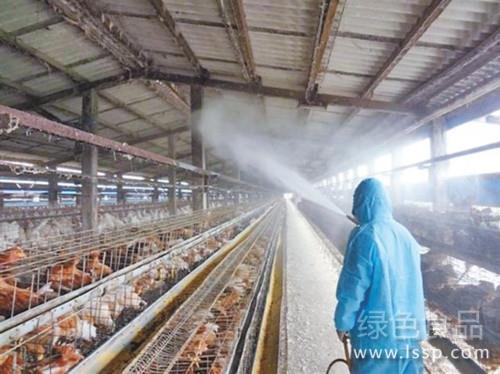
Disinfection of the chicken farm
1. Keep warm and prevent cold, but do not forget ventilation.
In winter it is cold, and the temperature inside the coop needs to differ greatly from the outside air temperature. You need both ventilation and to maintain the coop temperature, and this is the most important problem to solve. The coop should have good cold-proof performance and meet winter insulation requirements. Strictly prevent chicks from huddling and crushing each other to death due to low temperatures.
During ventilation, the temperature must not fluctuate suddenly high and low. Strictly prevent stress caused by too great a temperature difference, which can lead to disease. The ventilation openings should be more than 1.5 m above the backs of the chickens. When the temperature drops sharply and insulation work cannot keep up, broiler chickens are prone to catching wind-cold, with coughing, sneezing, tracheal rales, difficulty breathing, etc. Therefore, you must keep track of climate changes and do a good job of cold prevention and insulation. The chicken coop should be well maintained to prevent drafts and cross drafts from attacking the flock. For broiler flocks raised on the floor, add thicker bedding and use the bedding to raise the room temperature. Change the bedding frequently and open windows for ventilation at noon. Under normal circumstances, start ventilation at 6 days of age, and increase the ventilation volume as the age in days increases, so that the flock has enough oxygen.
2. Keep warm and keep dry, but do not forget ammonia removal.
In winter, do not neglect ventilation just to keep the chicken coop warm. If chicken manure and wet bedding are not removed in time, ammonia gas accumulates in the coop and its concentration increases, leading to diseases such as ammonia poisoning in broiler chickens. To prevent the adverse effects of ammonia gas, reduce water spraying during operations and prevent water troughs from leaking. If the humidity in the coop is too high, remove manure and wet bedding in time. In addition, ammonia-absorbing deodorizers can be used to reduce the ammonia concentration in the coop, commonly copper sulfate, ferrous sulfate, phosphoric acid, slaked lime and the like.
3. Strengthen feeding, but do not forget disease prevention.
According to the different growth stages of broiler chickens, prepare the daily ration according to feeding standards. Winter temperatures are low, and broiler chickens consume a lot of heat, so the metabolizable energy standard in the feed can be appropriately increased while the protein ratio is appropriately reduced. At the same time, pay attention to the vitamin content in the daily ration to meet their needs. The raw grain used in the prepared feed must be free of mold and impurities.
Do a good job of disease prevention. When broiler chickens have a weak constitution and reduced resistance, some diseases may occur and be complicated by respiratory diseases. Therefore, while improving the resistance of broiler chickens, do a good job of disease prevention and control. Vaccination should be carried out strictly according to the immunization program. Normally, use drugs for disease prevention regularly. Disinfect the chicken coop regularly.
4. Strengthen management, but do not forget routine practices.
Before chicks arrive, strictly wash, disinfect and fumigate the brooding house. Thoroughly clean utensils, clothing, hats, houses and so on. Control drinking water. Generally, drinking water is 2 to 3 times the feed consumption, but do not supply too much water, because too much water will worsen the dampness of the bedding. When using water pipes, prevent water from leaking. Broiler flocks raised on wire floors are prone to respiratory disease, especially around 25 days of age in winter. This disease is mainly caused by dry air, too much dust and poor ventilation in the coop, which the flock inhales and which accumulates over a long period. Prevention and control measures: maintain the coop temperature and increase ventilation volume to ensure the oxygen content in the coop.
5. Environmental control, but do not forget hygiene.
First, introduce chicks from healthy breeder farms and strictly prevent bringing in pathogens. Second, create a good rearing environment. Feeding utensils and disinfection utensils should be strictly distinguished and disinfected regularly. At the same time, regularly monitor whether there are disease outbreaks in neighboring chicken farms and in the local area, and take preventive measures. Regularly monitor the health status of the broiler chickens on the farm, and handle outbreaks promptly. Disinfect with chickens present, eliminate rodent damage, burn and bury dead chickens, and isolate sick chickens from healthy chickens.